
Quay lại blog
Bài viết
Winery Movable Container House
Quản trị 17 tháng 9, 2026
If a winery requires movable container houses, it is advisable to prioritize architectural forms that use containers as the basic structural modules. These offer eco-friendliness, flexibility, and low cost, among other features. Selection should be based on purpose, budget, environmental requirements, etc., with a focus on structural stability, thermal insulation, and environmental characteristics.
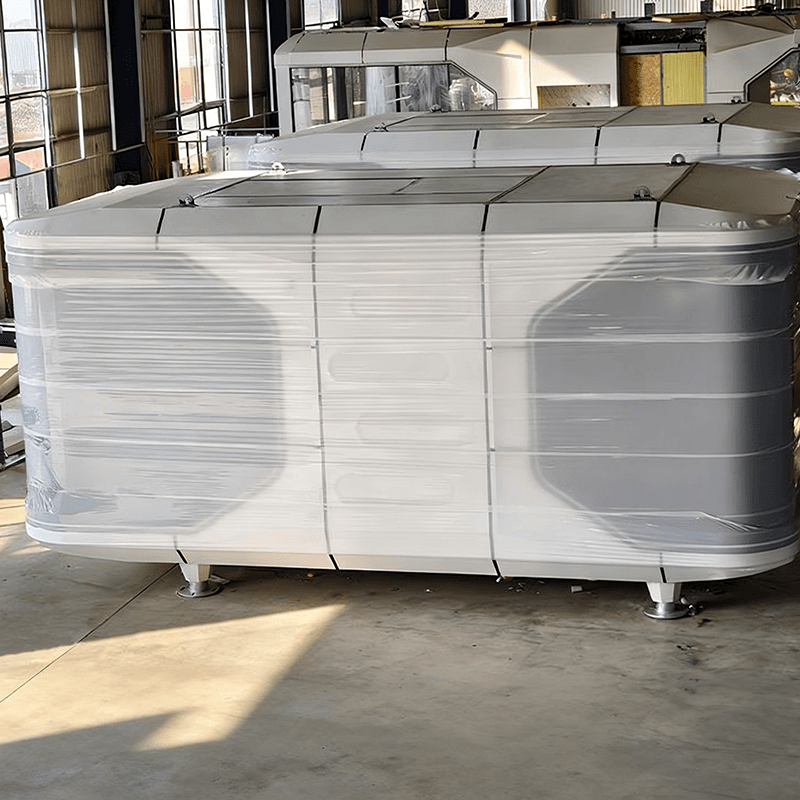
I. Type and Price Selection Container movable house prices vary significantly and should be chosen based on the specific needs of the winery. For example:
- Basic Type: Foldable container houses for construction site dormitories, priced as low as 100 yuan per 15 square meters, are suitable for temporary office or storage use. However, it is necessary to confirm whether the structural stability meets long-term usage requirements.
- Functional Type: Gable-top container mobile houses (1390 yuan per set) or customized foldable container houses (798 yuan per 6 square meters) offer more complete living or office conditions and are suitable as employee dormitories or temporary command centers.
- High-End Customized Type: For long-term use or special functions (such as moisture resistance and fire prevention), reference can be made to the technical solutions of Baotou Camp Container House Company, which enhances thermal insulation performance through broken-bridge lining structures (reducing heat exchange efficiency by about 40%) or integrates self-circulating sewage systems (with a water self-sufficiency rate exceeding 70%), although costs may be higher.
II. Technical Characteristics and Adaptability
- Structural Stability: The winery environment may involve equipment vibration or humidity. It is necessary to choose containers with optimized steel structure corrosion resistance (such as galvanized treatment) and reasonable load-bearing design to avoid deformation or corrosion.
- Thermal Insulation Performance: If used in northern or low-temperature winter regions, priority should be given to choosing containers with broken-bridge lining structures, which can effectively reduce indoor-outdoor heat exchange and lower energy consumption.
- Environmental Characteristics: Wineries have high requirements for environmental friendliness. Attention can be paid to the proportion of recycled materials used in containers and the design of sewage systems. For example, self-circulating sewage systems can reduce wastewater discharge and meet sustainable development needs.
III. Application Scenario Recommendations
- Temporary Housing: For office, storage, or employee dormitory use during construction, low-cost basic-type containers can be chosen for rapid deployment and easy relocation.
- Long-Term Housing: For use as winery laboratories, tasting rooms, or reception centers, it is recommended to choose functional or high-end customized containers to ensure comfort and functionality.
- Emergency Housing: In post-disaster reconstruction or sudden demand situations, the modular design of containers can quickly build temporary facilities to ensure production continuity.



