
Why Portable Toilet Eco-Friendly Rental Matter: A Quick Guide
The importance of eco-friendly portable toilet rentals lies primarily in their ability to significantly reduce environmental impact and meet diverse scenario demands, serving as a key solution that balances hygiene and sustainability.
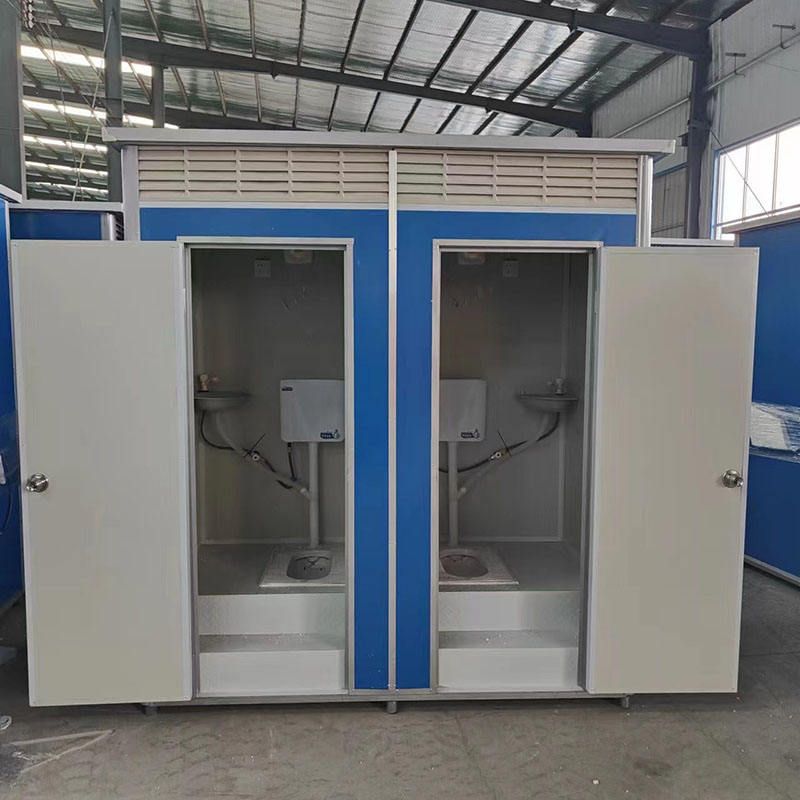
1. Reducing Environmental Impact
Eco-friendly portable toilets are manufactured using recyclable materials such as high-density polyethylene (HDPE). These materials are not only durable and easy to clean but also reduce resource consumption during production through optimized design. For example, the corrosion resistance of HDPE reduces the need for chemical cleaners, thereby minimizing the risk of water pollution. Additionally, some toilets are equipped with biodegradation technology that converts waste into harmless substances, avoiding the potential harm to soil and groundwater caused by traditional toilets.
2. Enhancing Sustainability and Durability
Compared to traditional plastic toilets, eco-friendly portable toilets are designed to better withstand extreme outdoor conditions. Their structure can resist strong winds, heavy rain, or high temperatures, extending their lifespan by approximately 30% and reducing resource waste from frequent replacements. For instance, in desert or high-altitude areas, the anti-aging properties of these toilets ensure long-term stable use, lowering maintenance costs while reducing waste generation.
3. Optimizing Energy Efficiency
Some high-end eco-friendly toilets (such as trailer-mounted portable restrooms) integrate solar panels or energy-efficient air conditioning systems to maintain comfortable temperatures in extreme weather conditions while reducing energy consumption through smart temperature control. For example, solar power systems can support nighttime lighting and ventilation equipment operation, avoiding reliance on fossil fuel-based power generation and further reducing carbon emissions.
4. Efficient Resource Utilization
Eco-friendly portable toilets reduce material waste through modular design and extend component lifespans using chemically resistant materials. For example, waterproof seals and UV-resistant casings reduce replacement frequency, while water-saving flush systems (such as vacuum suction technology) can reduce single-flush water consumption from 6 liters in traditional toilets to 0.5 liters, significantly alleviating water resource pressure.
5. Meeting Diverse Scenario Demands
From music festivals and sports events to construction sites or remote scenic areas, eco-friendly portable toilets can be rapidly deployed and provide facilities that meet hygiene standards. Their barrier-free design and multi-unit combination capabilities can accommodate different population needs, such as providing dedicated spaces for individuals with disabilities or families. This flexibility allows organizers to address temporary sanitation issues without compromising environmental standards.
Conclusion: Eco-friendly portable toilet rentals minimize ecological footprints while ensuring public hygiene through material innovation, energy optimization, and resource management. Their adaptability and sustainability make them an ideal choice for modern urban planning, large-scale events, and emergency scenarios, driving society towards a greener direction.



