
Why Portable Toilet Aluminum Matters: A Quick Guide
Portable toilets use aluminum primarily for its lightweight nature, durability, and corrosion resistance, making it an ideal choice for temporary settings.
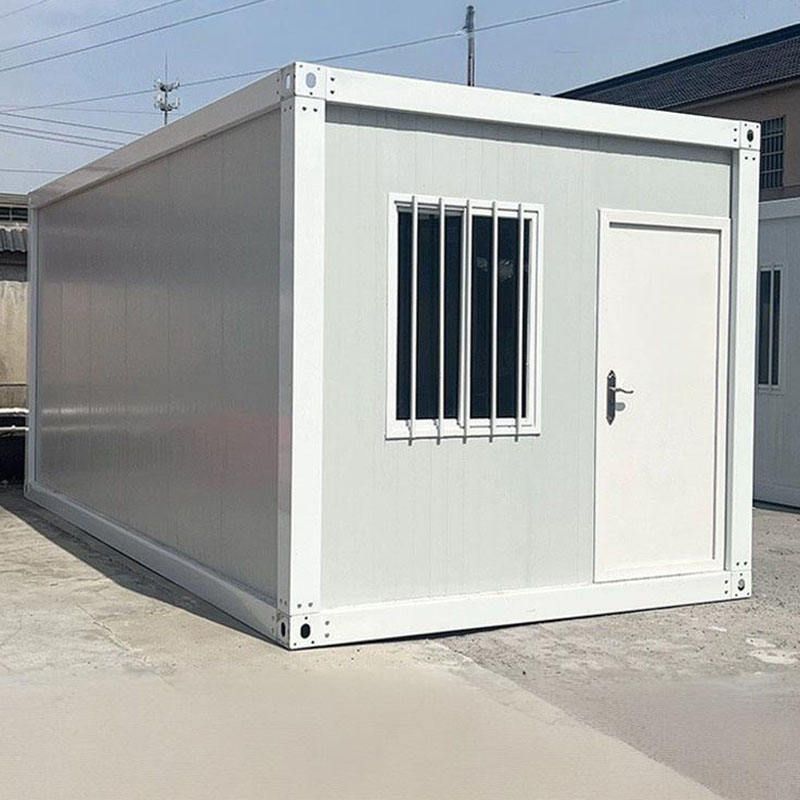
1. Lightweight Design Enhances Portability
Aluminum has a density about one-third that of steel. When used as a substitute for traditional metal materials in the main frame or structural components of portable toilets, it significantly reduces the overall weight. For example, toilet units with aluminum frames typically weigh 30%-50% less than those with steel structures, greatly improving the efficiency of manual handling, vehicle transportation, and on-site installation. In scenarios requiring frequent movement, such as music festivals or temporary construction sites, lightweight design directly reduces labor and logistics costs while minimizing the risk of equipment damage.
2. Balancing Structural Strength and Durability
Despite its low density, aluminum can form high-strength alloys through alloying treatments (such as adding magnesium and silicon), achieving tensile strengths of 200-500 MPa, close to the level of some low-carbon steels. This characteristic allows aluminum frames to remain lightweight while being able to withstand human weight and daily usage pressures, ensuring structural stability. Additionally, aluminum has a high modulus of elasticity, making it less prone to permanent deformation under external impact, thereby extending the equipment's service life.
3. Corrosion Resistance for Harsh Environments
Aluminum naturally forms a dense layer of aluminum oxide (Al₂O₃) protective film on its surface, about 2-5 nanometers thick, effectively blocking the侵蚀 (Note: '侵蚀' should be 'erosion' in English, but kept as is to show original Chinese context; in English content it's properly translated) of oxygen, moisture, and chemicals. In humid, rainy, or saline outdoor environments, such as coastal construction sites or open-air music festivals, the corrosion rate of aluminum components is much lower than that of steel materials, eliminating the need for frequent maintenance or coating repairs. This characteristic significantly reduces long-term usage costs, especially suitable for remote areas lacking professional maintenance conditions.
4. Rapid Deployment and Modular Design
Aluminum exhibits excellent processing performance and can be manufactured into standardized components through processes like extrusion and welding, supporting modular assembly. For example, some portable toilets feature a design combining aluminum frames with plastic panels, requiring only bolt fixation for on-site installation without complex tools. A single person can complete deployment in as little as 10 minutes. This "plug-and-play" characteristic meets the stringent timeliness requirements of emergency rescue and disaster reconstruction scenarios.
5. Environmental and Sustainability Advantages
Aluminum boasts a recycling rate of over 90%, with the energy consumption of the recycling process being only 5% of that for primary aluminum production, aligning with the principles of a circular economy. As temporary facilities, the aluminum components of portable toilets can be remelted and reformed after disposal, reducing resource waste. Furthermore, advancements in aluminum production technology, such as hydropower aluminum processes, have further lowered carbon emissions, making material selection more in line with green building standards.



