
Why Container House Picture Matter: A Quick Guide
The significance of container house images lies in their ability to visually present the core values of container houses as a future housing solution, covering multiple dimensions such as environmental protection, economy, flexibility, technology, and market advantages.
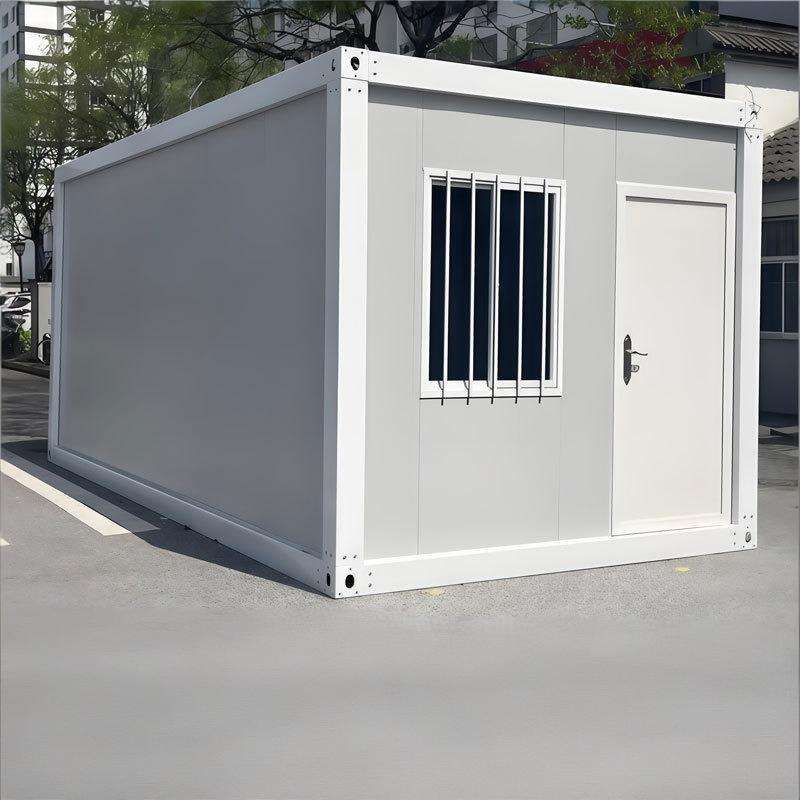
1. Visual Representation of Sustainability and Economy
Container houses transform retired shipping containers into living spaces through recycling, directly reducing construction waste and carbon emissions. Images can clearly show the transformation process from steel containers to complete residences, such as designs that retain the original texture of the container on the exterior facade, or charts comparing carbon emissions with traditional building materials. Additionally, their cost is only 30%-50% of that of traditional housing, and images can include price comparisons (e.g., "The total cost of a 20-foot container house is approximately $15,000") to visually demonstrate economic advantages.
2. Dynamic Presentation of Modular Design
Modular structure is a core feature of container houses, supporting rapid assembly, expansion, and reconfiguration. Images can showcase scenarios such as a 20-foot container being folded to reduce transportation volume, or a 40-foot unit being stacked to form a two-story residence. For example, one image might depict a single container as an independent studio, while another shows four containers combined into a four-bedroom family home, highlighting the flexibility of "space growing with demand."
3. Scenario Adaptation for Modern Lifestyles
Container houses align with trends in remote work, mobile living, and side hustles. Images can categorize and display their application scenarios:
- Mobile Offices: Container offices equipped with soundproof cabins, panoramic glass windows, and smart lighting systems;
- Vacation Rentals: Container cabins located on beaches or in forests, paired with outdoor decks and solar panels;
- Emergency Housing: Rapidly deployed container communities after disasters, equipped with independent water and electricity systems.
These scenarios convey the practicality of "one house for multiple uses" through images.
4. Detailed Display of Technological Upgrades
Modern container houses use galvanized steel frames, rock wool insulation, and Corten steel exteriors to ensure a lifespan of over 50 years. Images can focus on technical details:
- Cross-sectional views showing the three-layer insulation structure (steel plate + rock wool + interior panel);
- Extreme weather testing scenarios (e.g., container houses in hurricane simulation experiments);
- Close-ups of energy-saving systems (e.g., rainwater harvesting devices, solar inverters).
These details reinforce their image of "industrial aesthetics coexisting with living comfort."
5. Global Market Trust Endorsement
Container houses comply with standards such as ASTM E1251 (structural safety), UL (fire resistance), and CE (EU environmental protection), supporting global shipping within 48 hours. Images can include certification logos, factory production line photos, or cross-border project cases (e.g., schools in Africa, polar research stations in Northern Europe) to convey their credibility as a "standardized global product."
Conclusion: Container house images, through visual storytelling, transform abstract concepts into perceivable solutions, helping audiences quickly understand how they balance environmental responsibility, economic pressure, and quality of life, becoming a key force in reshaping the global housing market.



