
What Prefabricated Houses Sell Well?
Currently, the types of prefabricated houses exported from China to overseas markets with outstanding sales performance mainly include basic models, high-end customized models, and emergency and multi-functional scenario houses. These three categories have become popular choices in the market due to their differentiated positioning and core advantages.
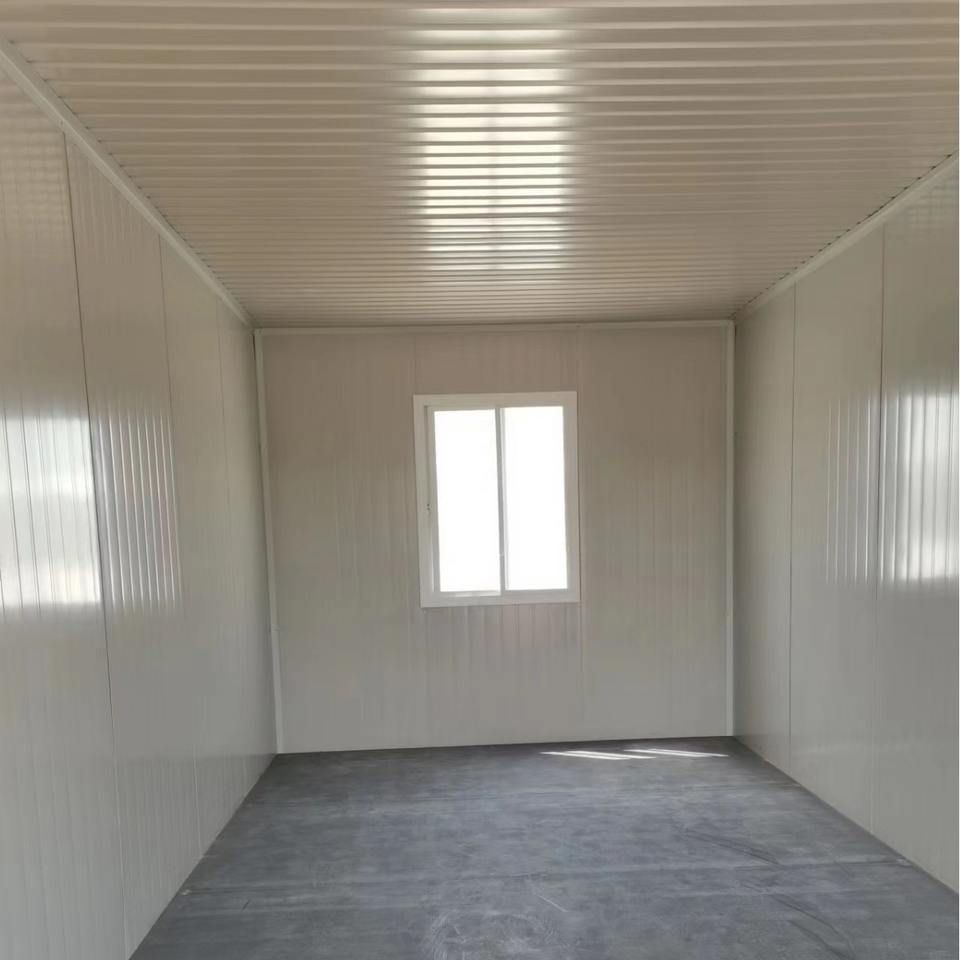
Basic Prefabricated Houses: Cost-Effectiveness Drives Popularization in the Mass Market
Basic prefabricated houses are primarily targeted at ordinary overseas families, with an ex-factory price in China of approximately RMB 200,000 per unit, including the main structure, basic decoration, and supporting facilities. Their core advantage lies in cost competitiveness: for the same house type, the construction cost overseas is 3-5 times higher than that of prefabricated houses. Through factory modular production and standardized processes, prefabricated houses reduce on-site assembly time by more than 50% and avoid delays caused by weather or labor issues. For example, in markets such as Europe, the United States, and Australia, where labor costs are high, there is strong demand for these “ready-to-live” houses. The significant 45% year-on-year increase in export volume in the first quarter of 2026 was largely attributed to basic models. Additionally, these houses adopt hot-dip galvanized steel structures, capable of withstanding earthquakes of magnitude 9 and typhoons of force 12, with a lifespan of 50-100 years, meeting international certifications such as the EU CE standard, further alleviating overseas consumers' concerns about quality.
High-End Customized Prefabricated Houses: Technological Premium Fills Market Gaps
Targeting high-end overseas residences, luxury B&Bs, and other scenarios, high-end customized prefabricated houses incorporate technologies such as smart home systems, luxury decorations, and high-strength eco-friendly building materials, achieving market prices exceeding one million US dollars. For instance, two-story light steel villas in affluent areas of North America and coastal resort areas, equipped with panoramic floor-to-ceiling windows and constant temperature systems, have terminal prices far exceeding domestic costs yet remain in high demand. The competitiveness of these products stems from differentiated value: on one hand, the high-end overseas market's needs for personalized design, eco-friendliness, and rapid delivery are not fully met; on the other hand, Chinese prefabricated house companies have compressed the high-end customization cycle to one-third of traditional construction through technological upgrades (such as BIM design and automated production lines) and supply chain integration, while maintaining cost control, creating a unique advantage of “high-end at a low price.”
Emergency and Multi-Functional Scenario Houses: A Necessity in the Green Trend
Multi-functional houses, including emergency shelters, schools, hospitals, and office apartments, have become essential products in the global trend toward green and low-carbon development due to their short construction periods (as fast as three months for delivery) and reusable, relocatable features. For example, in disaster relief scenarios, prefabricated houses can quickly set up temporary medical facilities or residential areas; in remote area construction, their modular design reduces transportation and installation difficulties. The core advantages of these products lie in flexibility and sustainability: through standardized components and recyclable materials, they reduce construction waste, meeting stringent environmental building standards in markets such as the EU and North America, while satisfying diverse needs such as site support and cultural tourism development, becoming a new engine for export growth.



