
What is Prefabricated Housing
Prefabricated housing, also known as prefabricated modular construction, refers to a form of construction where building components are industrially produced and assembled on-site.
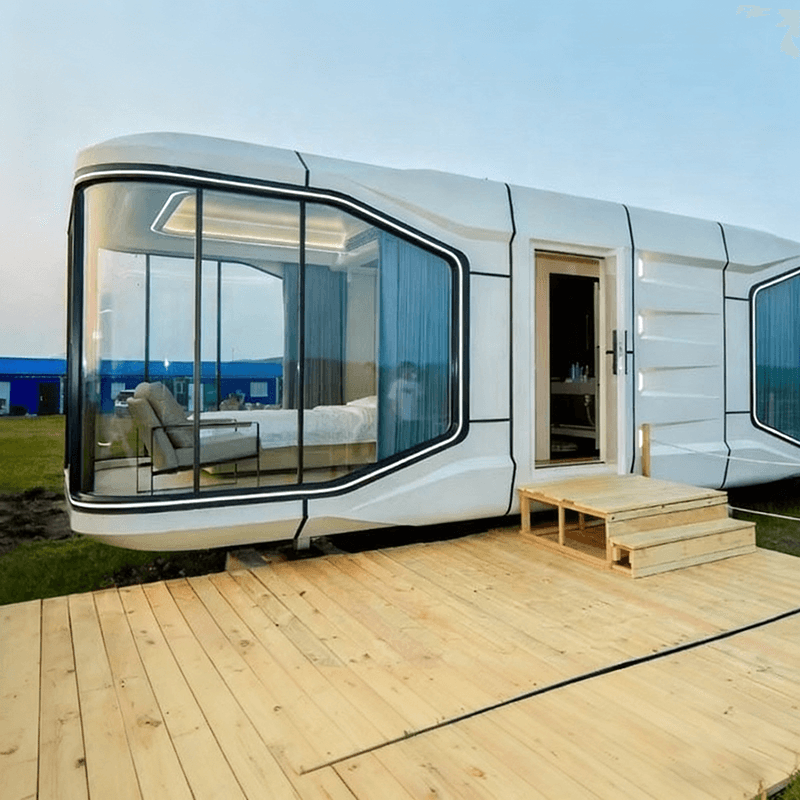
Types and Models
The main types of prefabricated housing include panel-based, box-based, and frame-based assembly. Among them, modular construction represents a higher level of integration within prefabricated modular construction. It involves breaking down the building into independent modules, completing all manufacturing processes such as ceilings, floors, and plumbing in the factory, and then transporting them to the site for assembly like building blocks.
Technologies and Components
The technologies used in prefabricated housing encompass prefabricated concrete structures and steel structures. Its components include prefabricated products such as beams, panels, walls, and columns. These components are produced in factories through standardized and assembly-line processes, ensuring precision and quality.
Forms
Prefabricated housing primarily comes in three forms: steel, concrete, and wooden. Steel prefabricated housing offers advantages such as high strength, light weight, and fast construction speed. Concrete prefabricated housing boasts good durability and fire resistance. Wooden prefabricated housing emphasizes environmental protection and a natural style, suitable for locations with high environmental requirements.
Advantages and Disadvantages
Compared to traditional construction methods, prefabricated housing offers numerous advantages. Short construction period: Since components are prefabricated in the factory, only assembly is required on-site, significantly shortening the construction cycle. Quality control: Factory production ensures more stable and reliable component quality, reducing quality fluctuations during on-site construction. Energy conservation and environmental protection: Prefabricated housing reduces the generation of construction waste during production and minimizes noise and dust pollution during on-site construction. Easy maintenance: The high standardization of components in prefabricated housing facilitates repair and replacement.
However, prefabricated housing also has some drawbacks. Limited design flexibility in panel-based construction: Due to the standardized production of components, architectural design may be somewhat restricted, making it difficult to meet some personalized needs. High requirements for transportation and lifting equipment in box-based construction: Due to the large size of modules, specialized transportation and lifting equipment are required, increasing construction costs and complexity.



