
What Does Prefabricated Panel House Mean
A prefabricated panel house is a type of building constructed primarily using prefabricated panels, which are cement components manufactured in factories through specific processes and are classified into solid and hollow types.
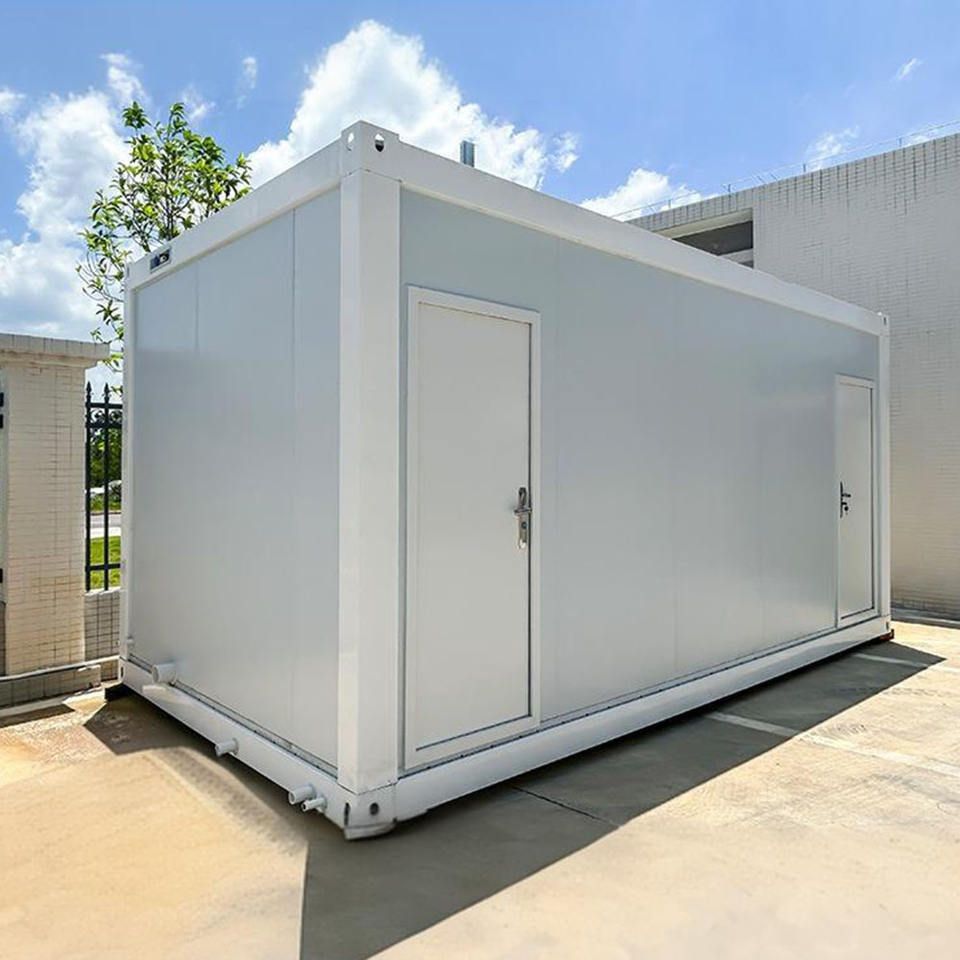
Production and Types of Prefabricated Panels
Prefabricated panels are cement components produced in factories. To make them, wooden models are first nailed together, and steel bars are arranged inside the models before cement is poured in. After the cement solidifies, the panels are formed. Based on their internal structures, prefabricated panels are divided into solid and hollow types. Hollow prefabricated panels reduce the amount of concrete used in non-load-bearing parts, achieving overall lightweighting while maintaining structural strength and reducing material costs and building self-weight.
Construction Background and Historical Applications
In the 1970s and 1980s, China faced a severe housing shortage, and prefabricated panel houses were widely promoted due to their high construction efficiency and low costs. Their core advantage lies in the fact that factory-prefabricated components can be standardized and assembled on-site, resulting in short construction periods and the ability to quickly meet large-scale housing demands. During this period, prefabricated panel houses were mainly used for residential buildings, dormitories, and other civilian structures, becoming the primary means of addressing housing issues during that specific historical stage.
Structural Characteristics and Existing Problems
Prefabricated panel houses adopt an assembled structure, with components fixed together using connectors or cast-in-place nodes. Although this design shortens the construction period, it has significant drawbacks: The connection strength between the prefabricated panels and walls or floor slabs is limited, resulting in poor overall integrity. Under external forces such as earthquakes, they are prone to separation or collapse, posing seismic hazards. Additionally, early prefabricated panel production standards were not uniform, and some components suffered from issues such as steel bar corrosion and cement aging, leading to a decline in structural durability.
Current Situation and Policy Orientation
Currently, the country mainly adopts the renovation policy for prefabricated panel houses, which involves enhancing building safety and living quality by reinforcing structures, upgrading pipelines, and improving exterior walls. Only when a house is identified as meeting the criteria for a dangerous building (such as severe damage to the main structure or a risk of collapse) will demolition and reconstruction procedures be initiated. This policy takes into account both the need to protect historical buildings and the efficient use of resources, avoiding the waste associated with large-scale demolitions.



