
What Does Non-Prefabricated House Mean
A non-prefabricated house refers to a type of house other than those built using prefabricated panels or components, typically constructed using cast-in-place techniques.
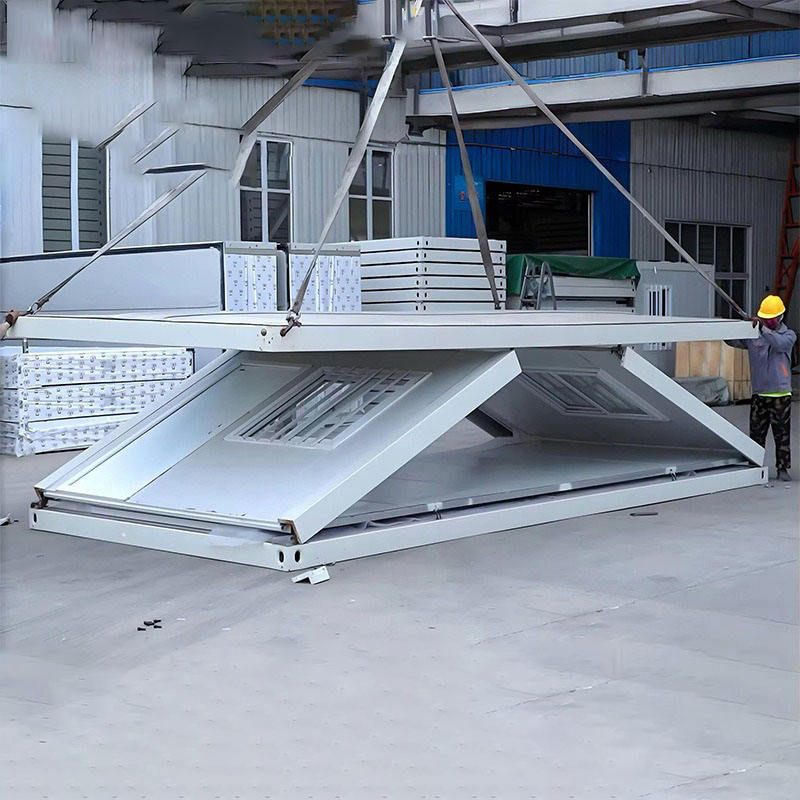
In terms of construction methods, prefabricated houses are built by industrially producing building components and then assembling them on-site. Their main types include panel assembly, box assembly, and frame assembly, with components covering prefabricated products such as beams, panels, walls, and columns. These prefabricated components are produced in factories according to unified standards, offering high precision and quality stability, as well as relatively high production efficiency. On the construction site, these prefabricated components are simply assembled according to design requirements, enabling rapid completion of house construction and significantly shortening the construction period.
Non-prefabricated houses, on the other hand, do not use such prefabricated components but are built through methods such as on-site concrete pouring. For example, a house with a cast-in-place slab is constructed by first setting up formwork on-site according to design requirements, then binding reinforcement bars, and finally pouring concrete into the formwork. After the concrete solidifies and reaches a certain strength, the formwork is removed to form the desired building structure. This construction method requires a large amount of on-site construction operations and places high demands on construction techniques and workers' skill levels.
In terms of characteristics, prefabricated houses, with components produced in factories, are less affected by environmental factors, making quality control easier. They also offer fast construction speeds and can reduce noise, dust, and other pollution from on-site construction. However, the connection points between components in prefabricated houses may have certain weak spots, potentially limiting their earthquake resistance. Non-prefabricated houses have good overall integrity and relatively strong earthquake resistance, enabling them to better adapt to different geological conditions and building requirements. Nevertheless, they have longer construction periods, are more affected by weather and other environmental factors, and generate relatively more construction waste and pollution during the construction process.



