
Typhoon-Resistant Prefabricated Housing
Currently, typhoon-resistant prefabricated housing, represented by modular buildings, features efficient construction and remarkable wind resistance. Its technical principles, core advantages, and market applications are as follows:
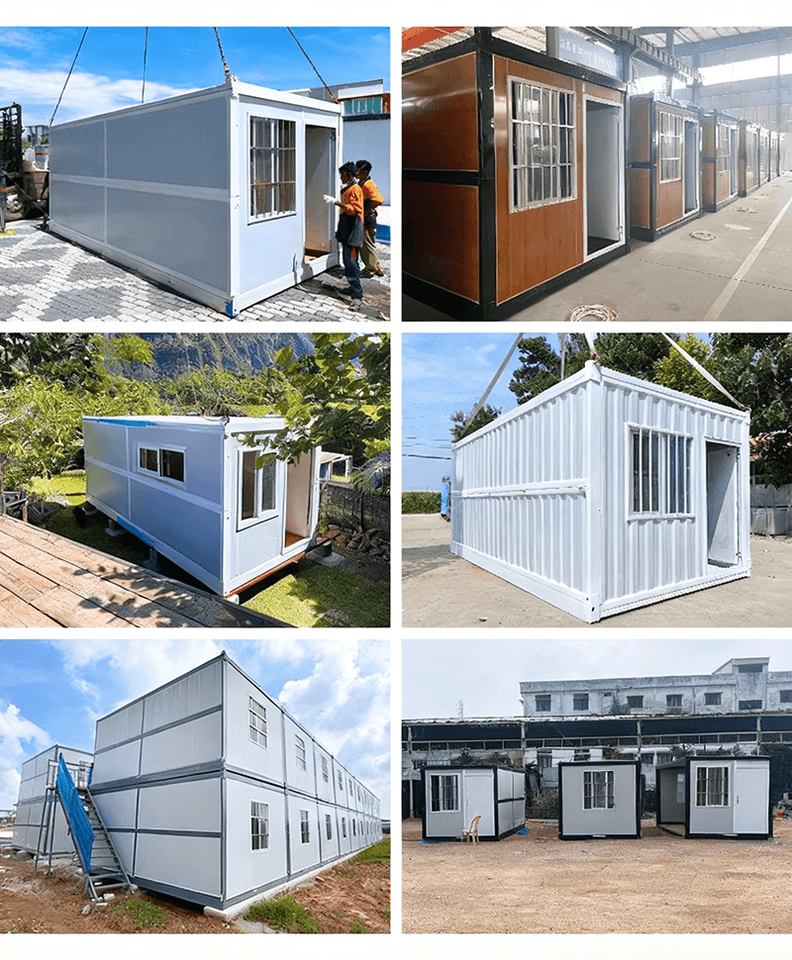
Technical Principles: Structural Optimization and Material Innovation
Modular buildings achieve wind resistance through high-precision prefabricated components and integrated connection technologies. For example, Sichuan Huagou Residential Industry Co., Ltd. uses high-strength concrete and intelligent robotic production for its housing modules, achieving millimeter-level construction accuracy to ensure tight module connections that can withstand strong typhoons. China Construction HaiLong Technology Co., Ltd. positions each steel bar with millimeter-level precision and combines this with cast-in-place connection technology to form an integrated wind-resistant structure, as demonstrated in its Shenzhen affordable housing project capable of withstanding strong winds. Additionally, modular buildings support individual disassembly and maintenance, reducing post-typhoon maintenance costs.
Core Advantages: Efficient Construction and Environmental Sustainability
The core advantage of modular buildings lies in their industrialized production system. Ceilings, floors, plumbing, and electrical systems are all prefabricated on factory assembly lines and then transported to the site for assembly like building blocks. This construction model reduces construction periods by over 60% through parallel operations and automated production lines, while also minimizing on-site labor and construction waste. For instance, the Chuanxi New Chinese-Style Courtyard House in Shoubao Town, Qianwei County, Leshan City employs a fully PC (precast concrete) assembly process, passing a magnitude-9 earthquake simulation test with a lifespan exceeding 100 years and doubling construction efficiency compared to traditional methods.
Market Applications: Global Recognition and Export Growth
Domestically produced modular buildings have gained recognition globally in sectors such as hotels, senior living apartments, and data centers. From 2015 to 2025, China's prefabricated building exports nearly tripled, with a 45% growth rate in the first quarter of 2026. Huagou Residential Industry has introduced prefabricated low-rise box houses and modular factory buildings, attracting attention from countries like Uzbekistan in Belt and Road markets. These modular buildings not only meet domestic typhoon and earthquake resistance requirements but also adapt to different climates and geological conditions through standardized design, becoming an emerging choice in the international construction market.



