
Training Drill Container House
When using container houses in training drills, it is essential to focus on structural safety, fire hazards, and environmental adaptability. The specific analysis is as follows:
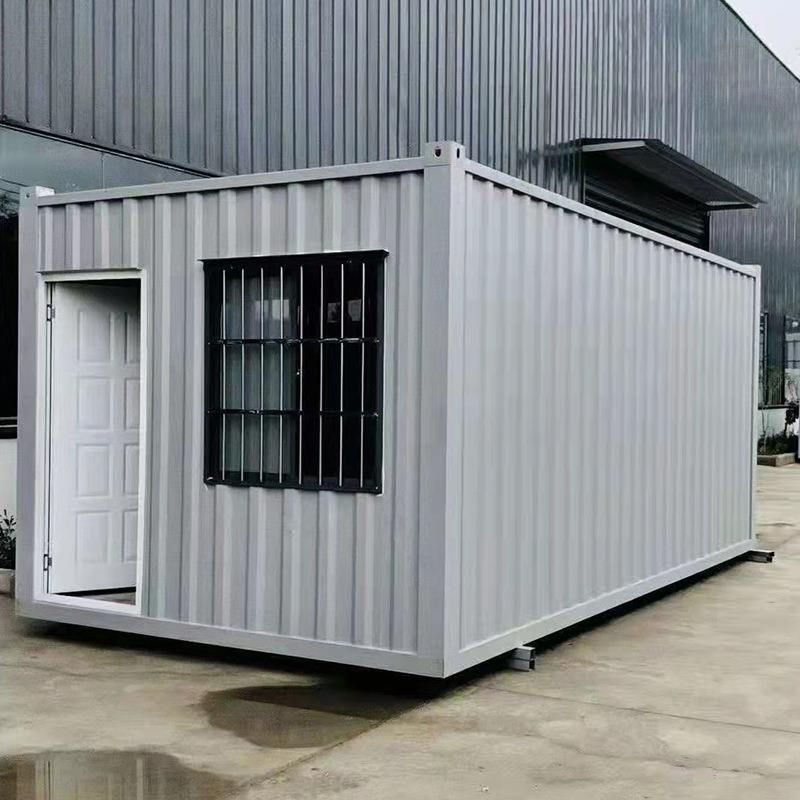
1. Balancing Structural Safety and Living Comfort
Container houses are modified from standard containers and offer advantages such as modularity and mobility. However, their original design does not fully consider long-term living needs. For example, during a men's basketball training session, the container houses used had issues such as limited space and insufficient bed length, preventing athletes over two meters tall from fully extending their legs while resting, affecting sleep quality. Additionally, the metal structure of containers may pose safety risks in extreme weather conditions. For instance, during heavy rain in Nagoya, the team was concerned that the containers might be washed away by floods, highlighting their weak resistance to natural disasters. If container houses are to be used for training drills, they should be reinforced, and the placement area should be at a higher elevation with a well-functioning drainage system.
2. Strict Prevention of Fire Hazards
The fire risk associated with container houses cannot be ignored. Some of the construction materials used, such as polystyrene and polyurethane foam, which are flammable sandwich materials, can melt and drip at 80℃, causing fires to spread. For example, a fire in a container activity house in Tianjin Binhai New Area in 2018 resulted in two deaths due to toxic smoke produced by the burning of flammable materials, which hindered evacuation. Therefore, if container houses are used in training drills, it is crucial to choose Class A fire-resistant materials such as rock wool boards and fireproof cotton, ensure that electrical wires and cables are equipped with protective sleeves, maintain a safe distance between open-flame operations and the houses, and provide simple firefighting equipment.
3. Targeted Optimization of Environmental Adaptability
Container houses have strong sealing but poor ventilation, which can lead to stuffiness and humidity inside in hot or humid environments. For example, fire simulations in containers during firefighting training show that internal temperatures can quickly rise to dangerous levels. If used for human habitation, ventilation equipment or air conditioning systems should be installed to regulate temperature and humidity. Additionally, the metal exterior of containers may pose a risk of lightning strikes during thunderstorms, necessitating the installation of lightning protection devices and ensuring proper grounding. If the training location is in coastal or rainy areas, regular inspections of the house's sealing should be conducted to prevent water leakage.



