
Top Portable Toilet Eco-Friendly: 2026 Picks Compared
The mainstream recommendation for eco-friendly portable toilets in 2026 is Portable Composting Toilets, which have become the preferred option due to their sustainability, technological adaptability, and scenario coverage capabilities.
Core Advantages: Driven by Environmental Performance and Market Demand
Portable composting toilets convert human waste into harmless compost through natural decomposition technology, fully complying with global environmental standards and significantly reducing the environmental burden of waste disposal. Their design focuses on odor control and rapid processing, such as using sealed decomposition chambers and biodegradable additives, ensuring “zero-pollution” use in outdoor exploration, off-grid living, or disaster emergency scenarios. In 2026, with stricter global environmental regulations (such as the EU's ban on disposable sanitary products) and increased public climate awareness, composting toilets have shifted from a niche choice for outdoor enthusiasts to a standard configuration for temporary facilities in RVs, campsites, and remote areas. Retailers further expand market coverage by launching region-specific models, such as moisture-proof versions for high-altitude areas or tropical rainforests.
Technical Features: Breakthroughs in Modularity and Lightweight Design
The technological iteration of composting toilets focuses on scenario adaptability and resource efficiency.
- Modular Design: Supports personalized combinations of functions such as ventilation, heating, and solar power supply. For example, construction sites can add dust filtration modules, while music festivals can be equipped with quick-disassembly brackets to meet temporary large-scale usage needs.
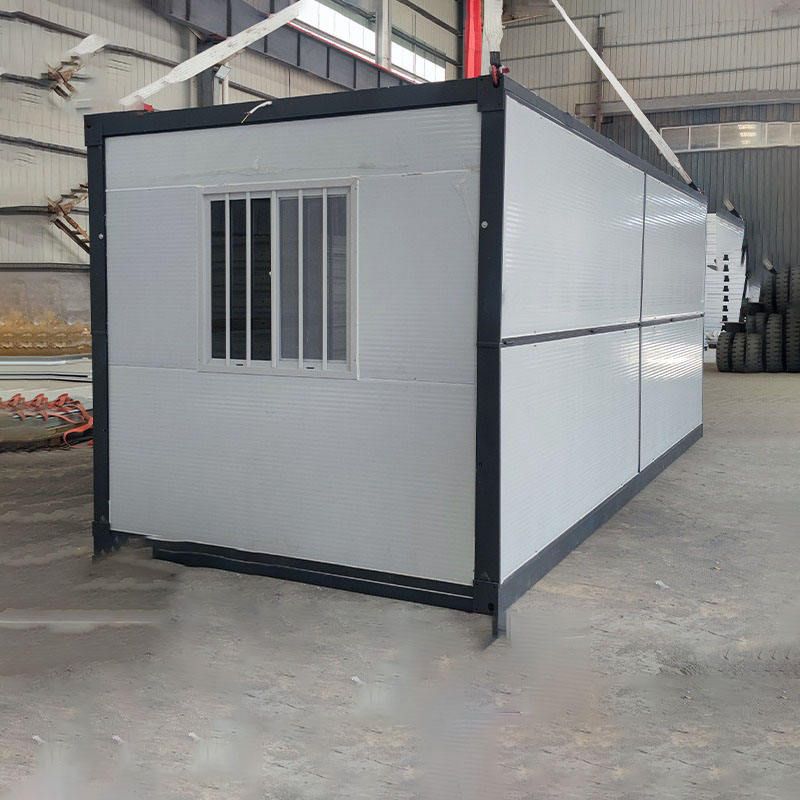
- Lightweight Structure: Made of corrosion-resistant sandwich panel materials, weighing 20% less than traditional metal units while maintaining impact resistance through structural optimization, facilitating single-person handling.
- Water Efficiency: The squatting design saves 30% more water than sit-down toilets and requires no flushing system, aligning with cultural preferences and practical needs in water-sensitive regions (such as deserts or arid areas).
Application Scenarios: Transition from Luxury to Necessity
The 2026 market emphasizes the universality of composting toilets. Individual users can purchase basic models for home emergency reserves or RV travel; the entertainment industry uses them as standard sanitary facilities for music festivals, marathons, and other events; the commercial sector applies them in remote mining areas, tourist attractions, and other regions lacking municipal sewage networks. Additionally, some high-end models integrate intelligent monitoring systems that provide real-time feedback on decomposition progress and capacity through sensors, improving management efficiency.
For further comparison of specific models (such as the 2026 new releases from brands like Nature's Head and Separett) or details on modular configurations, refer to professional reviews like Top 6 Composting Toilets (2026) or manufacturer technical white papers.



