
Top Portable Toilet Aluminum Manufacturers: How to Choose a Factory Partner
When selecting a portable toilet aluminum manufacturer as a partner, it is essential to conduct a comprehensive evaluation across six core dimensions: structural craftsmanship, installation adaptability, configuration design, customization and after-sales service, material details, and production qualifications.
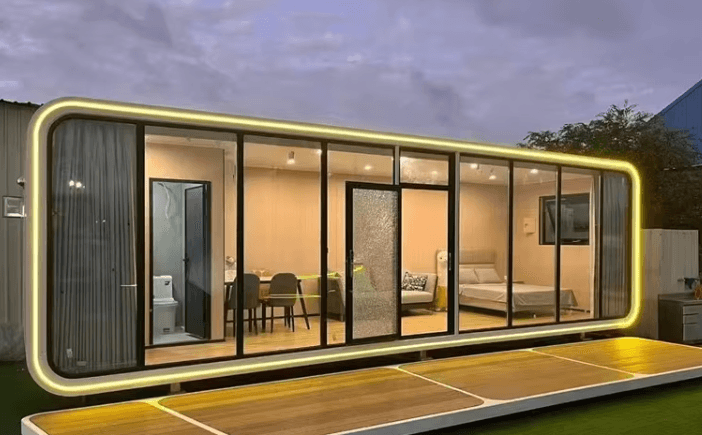
1. Structural Craftsmanship and Durability Prioritize manufacturers that employ integrated steel structure prefabrication techniques, ensuring high rigidity and connection strength in the main frame. The quality of key welds directly impacts overall structural integrity. For materials, stainless steel or galvanized steel plates are common choices, with clear specifications on steel thickness and anti-corrosion processes (such as galvanized layer thickness and spraying techniques). Some manufacturers claim product lifespans of over 15 years, providing a reference for long-term durability.
2. Installation Efficiency and Site Adaptability Assess whether the manufacturer has factory production capabilities and whether their products support rapid on-site assembly. For instance, some manufacturers' products can be installed by two workers in half a day without the need for additional foundation pouring, reflecting their production organization capabilities. Additionally, confirm whether the products come with built-in chassis and roofing systems to adapt to various site conditions (such as slopes and soft soil foundations).
3. Internal Configuration and User-Friendly Design Basic configurations should include sinks, mirrors, flushing systems, ventilation, and lighting. Attention should also be paid to expandable options, such as handrails for the disabled and mother-and-child care stations. Some manufacturers introduce unique exterior designs (such as space capsule or apple pod shapes), balancing functionality with environmental harmony, suitable for scenic spots and high-end events.
4. Customization Capabilities and After-Sales Support Evaluate whether the manufacturer can flexibly adjust according to site dimensions, colors, and functions, such as providing water-flush or waterless sewage disposal solutions to adapt to temporary sites without water supply and drainage. In terms of after-sales service, confirm whether cross-regional response services and technical support are provided to avoid maintenance difficulties later on.
5. Material and Craftsmanship Details For aluminum structures, focus on anti-corrosion treatment processes. Some manufacturers use high-density insulation materials, add auxiliary heating equipment, or wrap pipeline systems for freeze protection to cope with extreme weather. Wall materials often use composite panels with both insulation and heat insulation properties, with some products combining steel frames with aluminum alloy frames to enhance durability.
6. Production Scale and Certification Qualifications Prioritize manufacturers with ISO, CE, and other certifications, and examine their production scale (such as monthly production capacity of over 1,000 units) and historical cases. For example, modular design supports one person assembling 7-10 portable toilets in one hour, demonstrating industrial production capabilities suitable for large-scale project needs.



