
Tongliao Container House Design
The design of container houses in Tongliao requires comprehensive consideration of structural safety, functional suitability, material selection, and maintenance convenience, with customized designs tailored to local climate and usage scenarios.
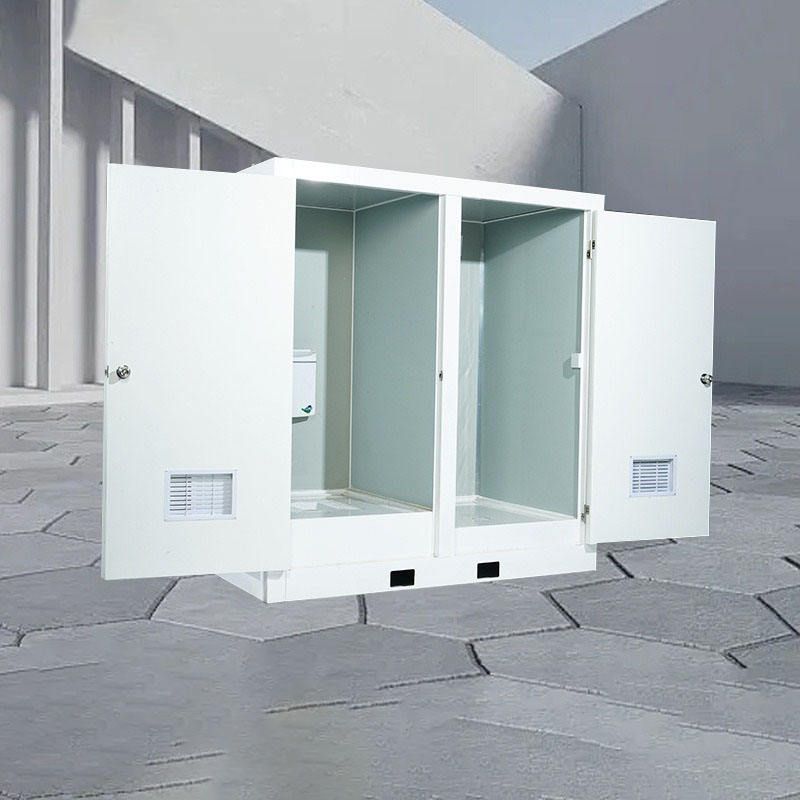
1. Structural Safety and Stability Design
In Tongliao, where winters are cold, container houses should employ high-strength steel structural frames to ensure overall stability. It is recommended to use thickened soundproof sandwich panels for walls and roofs, which not only enhance thermal insulation but also increase structural resistance to wind pressure. Connection points should be reinforced with bolts rather than welded to reduce the risk of low-temperature brittleness. For double-story container houses, additional horizontal support structures are necessary to prevent deformation caused by snow accumulation or strong winds.
2. Functional Zoning and Space Optimization
Functionally divide spaces flexibly based on usage scenarios, such as construction site dormitories, scenic area homestays, or temporary offices. For example, construction site dormitories can adopt a modular design, using multiple standard containers to create separate zones for bedrooms, bathrooms, and kitchens. Scenic area homestays can incorporate floor-to-ceiling windows or balconies to enhance natural lighting and viewing experiences. Internal layouts should reserve space for pre-embedded electrical circuits and water supply and drainage pipes to avoid structural damage from later drilling.
3. Material Selection and Environmental Performance
Prioritize the use of fire-resistant, moisture-proof, and corrosion-resistant eco-friendly materials. Color-coated steel sheets should meet national fire safety standards, with rock wool or polyurethane recommended for the sandwich layer to balance thermal insulation and soundproofing. Flooring materials can include non-slip tiles or PVC flooring, which are easy to clean and durable. For residential scenarios, it is essential to equip with fresh air systems or air purification devices to ensure indoor air quality.
4. Maintenance and Durability Design
Design considerations should include long-term maintenance convenience. For example, steel structures should have interfaces reserved for applying anti-corrosion paint, with regular maintenance extending service life. Electrical systems should be installed using conduits or channels isolated from steel structures to prevent electric shock risks. Doors and windows should be made of well-sealed broken bridge aluminum materials to reduce heat loss. Additionally, container houses should be designed with detachable structures for easy relocation or recycling.
5. Customization and Landscape Integration
Some projects in Tongliao, such as those in scenic areas or garden designs, require customization based on environmental characteristics. For example, adopting K-type or T-type prefabricated house structures with pitched roofs can harmonize with natural landscapes. Exterior walls can be sprayed with wood grain or stone textures to enhance aesthetics. Container house clusters can be arranged in a staggered layout or connected by corridors to create a unique architectural landscape.



