
Toilet Mobility
The concept of 'toilet mobility' primarily involves two types of products—mobile toilets and portable restrooms—as well as related incidents.
Mobile toilets are portable sanitation devices designed primarily for individuals with mobility challenges, such as the elderly, pregnant women, and people with disabilities. Their design takes into full account the needs of users, emphasizing stability and slip resistance to ensure safety during use. Bucket-style or thick-legged structures are typically more stable, capable of withstanding a certain amount of weight and pressure. In terms of materials, durable and easy-to-clean ABS engineering resins are commonly used, often containing antibacterial additives to effectively inhibit bacterial growth and ensure hygiene. Some mobile toilets are equipped with auxiliary facilities such as armrests and backrests to enhance user comfort. Additionally, they feature double-layer sealing designs to reduce odor diffusion and maintain fresh indoor air. The integrated structure facilitates easy movement, allowing placement in environments like bedrooms as needed. Furthermore, they have independent inner buckets for daily removal and cleaning, ensuring cleanliness. Some products also offer multifunctionality, allowing conversion from a squat toilet to a seated toilet by removing the bucket to meet the needs of different users.
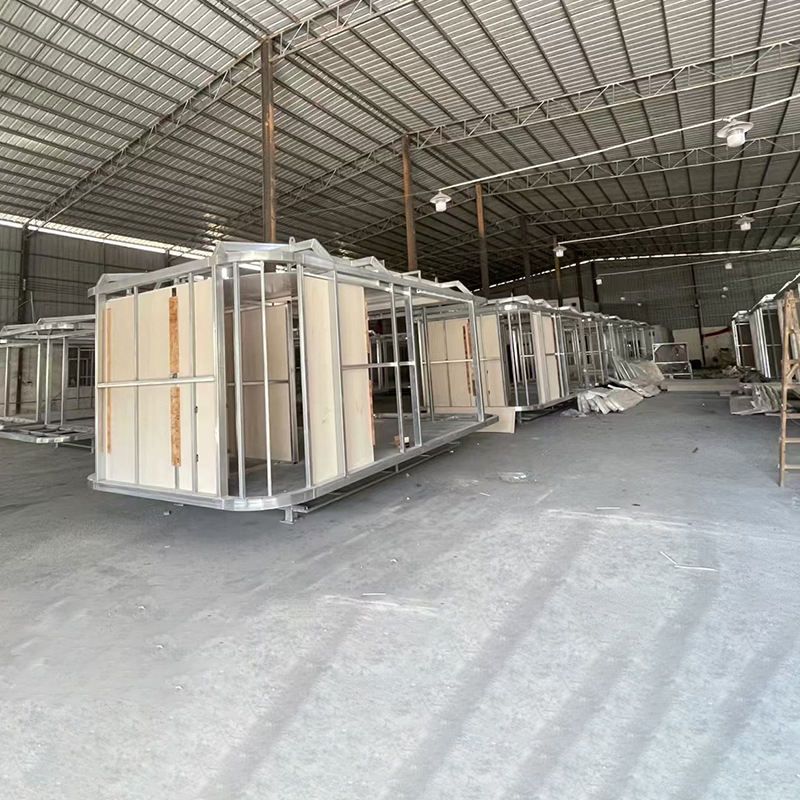
Portable restrooms, on the other hand, are entirely movable sanitation facilities suitable for various public places such as train stations, docks, and tourist attractions. They consist of fecal sewage storage tanks (or fecal sewage treatment devices), flooring, sanitary fixtures, etc., featuring a compact structure and comprehensive functionality. Depending on their structural form, mobility method, and sewage treatment approach, portable restrooms can be classified into multiple types, offering advantages such as mobility, modularity, and ease of transportation. In temporary events or emergencies, portable restrooms can be rapidly deployed to provide convenient sanitation services to the public.
In a related incident, a 'toilet adventure' occurred in Baoding, Hebei Province. A woman was using a portable restroom on the roadside when workers, using a crane to clear the site, failed to check if anyone was inside. As a result, the woman, along with the restroom, was lifted by the crane and sent onto the highway, embarking on an unexpected 'highway toilet sightseeing tour.' This incident serves as a reminder to pay attention to safety when using portable restrooms to avoid similar accidents.



