
Toilet Mobile Heating
Toilet mobile heating is primarily achieved through technologies such as electric tracing heating, insulation materials, and instant heating, with different technologies suitable for different scenarios to ensure the normal operation of toilet facilities in low-temperature environments.
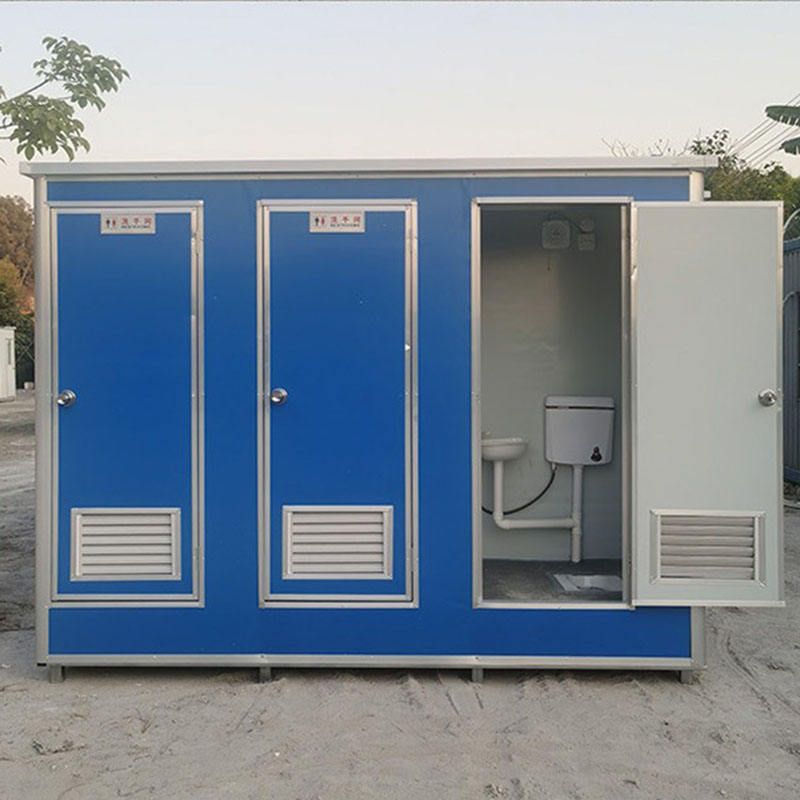
Electric Tracing Heating Anti-Freezing Technology
Electric tracing heating anti-freezing mobile toilets integrate electric tracing heating systems into key components such as water pipes and water tanks, using intelligent temperature control devices to continuously release heat and prevent water from freezing. Their core components include heating cables, insulation layers, and temperature sensors, which can monitor the ambient temperature in real-time and automatically adjust the heating power. When the outdoor temperature falls below the set threshold (e.g., 20℃), the system automatically activates to ensure the normal operation of pipes, water tanks, and other facilities in extreme weather conditions. This technology is suitable for alpine regions or winter low-temperature scenarios, offering advantages such as low energy consumption and rapid response, but requires regular inspection of circuit safety.
Composite Design of Insulated Mobile Toilets
Insulated mobile toilets adopt a multi-layer composite structure to enhance overall insulation performance:
- Material Insulation: The outer layer uses metal carved panels, which are both corrosion-resistant and aesthetically pleasing; the interior is filled with fireproof boards and rock wool insulation layers, forming an efficient thermal insulation barrier. Such a design enables the toilet to operate stably in extreme low-temperature environments ranging from -40℃ to -50℃, suitable for scenarios such as Arctic research stations and high-altitude mountainous areas.
- Water Body Temperature Supplementation Technology: By using an oxygen-increasing fan to generate warm air at 50-60℃, aerobic water bodies are indirectly heated. This technology utilizes the residual heat from the fan to reduce additional energy consumption while avoiding environmental pollution caused by chemical heating agents, making it suitable for ecologically sensitive areas.
- Pipe Electric Tracing Heating System: Similar to anti-freezing mobile toilets, but with a greater emphasis on coordination with the overall insulation structure. For example, heating cables are wrapped around the rock wool insulation layer, and temperature sensors are used to achieve precise temperature control, preventing pipe freezing and cracking.
Instant Heating and Special Toilet Design
- Instant Heating Smart Toilet Seat: By using a high-power heater (with an instantaneous power of up to 1000W) to heat the flowing flushing water instantly, it achieves constant water temperature and no water storage limitations. This technology is compact and highly hygienic, but requires the household circuit to support high-power loads and has relatively high equipment costs, making it suitable for high-end commercial or household scenarios.
- 304 Stainless Steel Foamed Squat Toilet: Some products integrate heating functions, such as odor-proof heated squat toilets used in dry toilet renovations. Their heating modules are usually located at the bottom of the toilet, using low-power heating elements to maintain surface temperature, enhancing winter comfort while retaining the corrosion resistance of stainless steel and the odor-proof properties of the foamed structure.
Different technical solutions can be combined according to actual needs, such as simultaneously using electric tracing heating and composite insulation structures in alpine regions, or prioritizing instant heating smart toilet seats in household scenarios to balance performance, cost, and safety.



