
Temporary Mobile Toilet
A temporary mobile toilet is a facility that can be moved as a whole and placed in fixed or temporary locations to provide public toilet services.
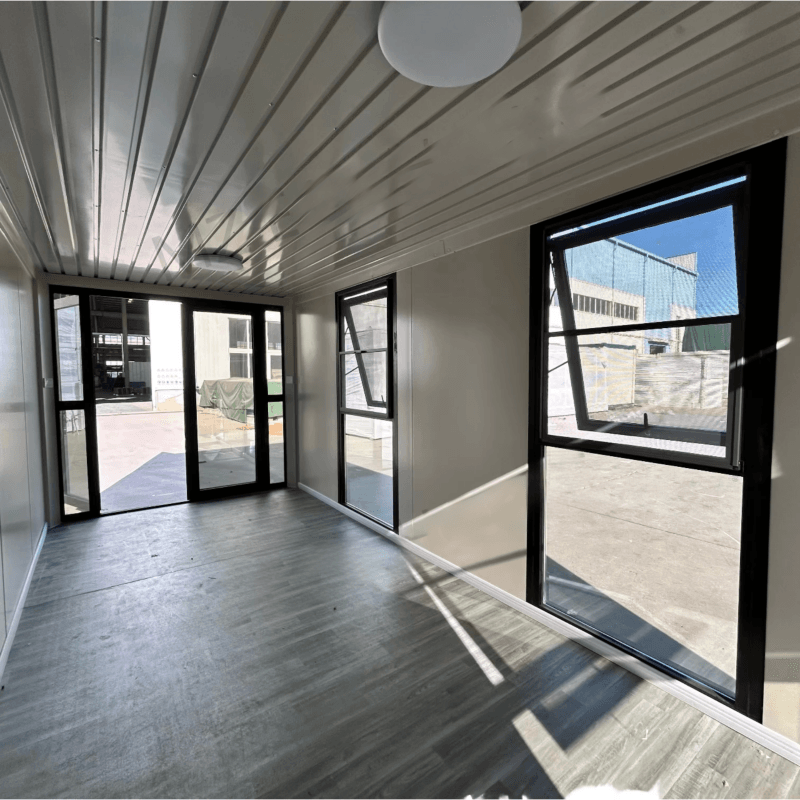
I. Basic Composition A temporary mobile toilet typically consists of core components such as a fecal sewage storage tank (or disposal unit), flooring, sanitary ware, walls, washing equipment, water tanks, roofs, and mobile devices. Its structural forms are divided into single-unit structures (independent units) and composite structures (multi-unit combinations). The mobile methods include hoisting and handling types (relying on lifting equipment), powered towing types (with built-in power or towable), and sewage treatment methods include flushing types (requiring a water source), waterless flushing suction types (relying on vacuum suction), circulating water flushing types (sewage purification and reuse), and dry packing types (fecal collection and centralized treatment).
II. Core Characteristics
- Mobility: Through modular design or lightweight materials (such as aluminum alloy and high-strength plastics), it can be quickly disassembled and transported to any required location, suitable for temporary events, disaster relief, or areas lacking fixed public toilets.
- Reusability: With a sturdy and durable structure, it can be relocated and used multiple times, reducing long-term construction costs.
- Adaptability: It can flexibly adjust its specifications according to the usage scenario, such as large multi-squat toilets for outdoor music festivals and small water-saving toilets for remote construction sites.
III. Application Scenarios and Significance Originating from the issue of insufficient urban public toilet layouts, mobile toilets effectively fill the gap in the number of public toilets by being placed in areas where it is difficult to build fixed public toilets (such as old urban areas and scenic spot peripheries). For example, the government adds mobile toilets during peak tourist seasons on holidays to alleviate toilet pressure in scenic spots; on construction sites or temporary markets, their rapid deployment capability can meet short-term intensive usage needs.
IV. Price and Design Principles Prices vary significantly depending on materials, specifications, and functions. A simple steel-structured mobile toilet costs about 50 yuan, while an outdoor type equipped with an intelligent water-saving system and eco-friendly materials can reach 7,400 yuan. The design should follow three major principles:
- Easy Mobility: Use lightweight materials (such as fiberglass and carbon fiber) and control the height (usually ≤ 2.5 meters) and width (≤ 1.5 meters) to meet road transportation standards.
- Eco-Friendly and Durable: Prioritize the use of recyclable materials to reduce environmental impact; for example, dry packing toilets do not require flushing, avoiding sewage leakage.
- User-Friendly: For example, Apple Pod-shaped toilets enhance user comfort through public washing areas, lighting and ventilation windows, and independent squat stall partitions.



