
Temporary Mobile Toilet Installation Method
The installation of temporary mobile toilets should be carried out step by step according to the structural type, mobility method, and sewage treatment requirements. The core processes include component inspection, basic assembly, structural fixation, and system connection. The specific methods are as follows:
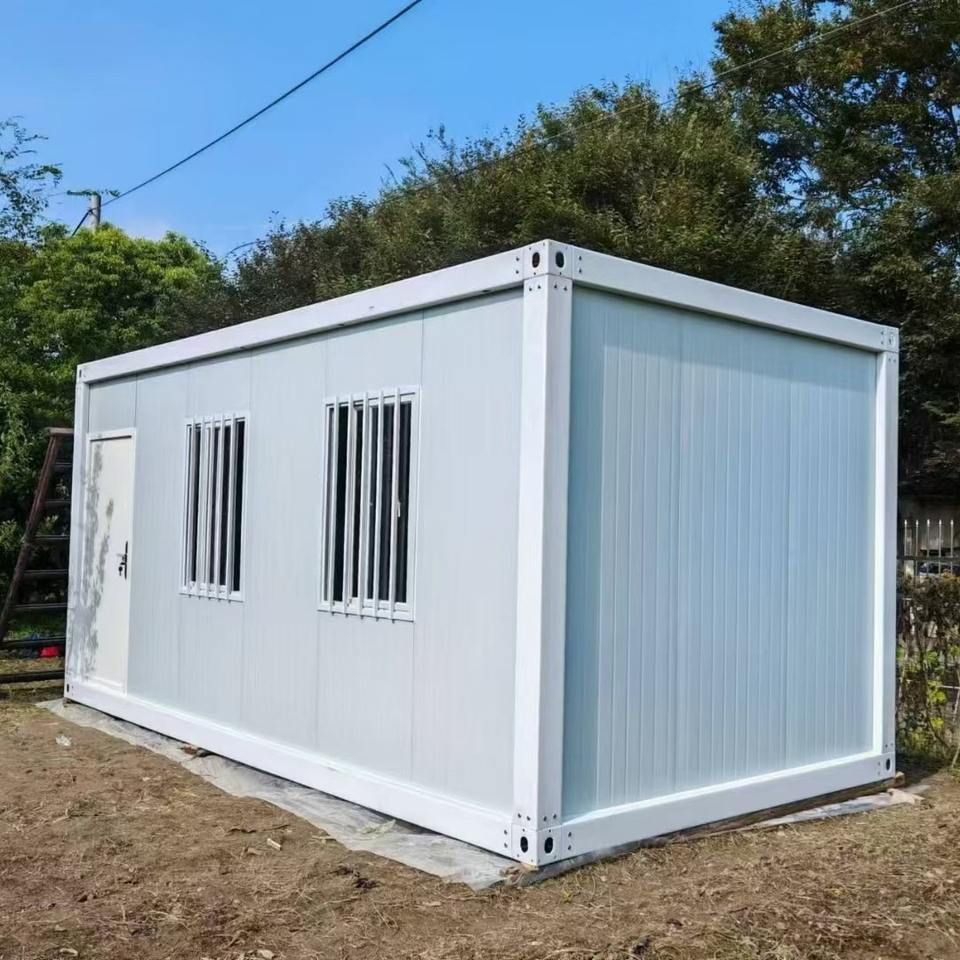
Basic Component Inspection and Preparation Before installation, check the product component list to ensure all parts are complete and undamaged. Common components include upper and lower buckets, silicone anti-slip pads, buckles, water pipes (for flushing types), sewage storage tanks (for non-flushing types), or circulation system components (for circulating water flushing types). For hoisting or powered towing toilets, prepare lifting equipment or towing vehicles in advance; for portable types, ensure the moving path is obstacle-free.
Bottom Anti-Slip and Structural Assembly Install silicone anti-slip pads at the four corners of the bottom to ensure stable contact with the ground and prevent sliding. For single-structure toilets, directly assemble the upper and lower buckets: align the interfaces of the upper and lower parts and press the buckles downward until a 'click' sound confirms fixation. For composite-structure toilets, first assemble the frame, then install wall panels, door panels, and other modules in sequence, ensuring uniform tightening of screws.
System Connection and Functional Debugging
- Flushing Type: Connect the water inlet pipe to the water source, check if the water pressure meets the requirements (usually 0.2-0.4MPa), open the valve to test the flushing function, and ensure there is no leakage.
- Non-Flushing Suction Type: Install the sewage storage tank and connect the suction pipe, test the vacuum pump or manual suction device, and confirm that waste can be smoothly sucked into the sewage storage tank.
- Circulating Water Flushing Type: Assemble the filtration system, connect the water tank and flushing pipes, fill with clean water, start the circulating pump, and observe the water filtration effect and flushing smoothness.
Safety and Stability Reinforcement Hoisting-type toilets should be fixed at designated positions using professional lifting fixtures, ensuring the hooks match the structural load-bearing points; powered towing types should check if the towing connection is secure and if the braking system is functioning properly. For all types, use wooden wedges or adjustable feet on uneven ground to keep the toilet level.
Precautions: Read the product manual before installation, as different brands or models of toilets may have detail differences; for outdoor installations, consider wind and rain protection measures, such as adding ground anchors or rain shelters; regularly check the tightness of buckles, pipes, and other components after use to avoid malfunctions caused by loosening.



