
Temporary Folding Mobile Toilet
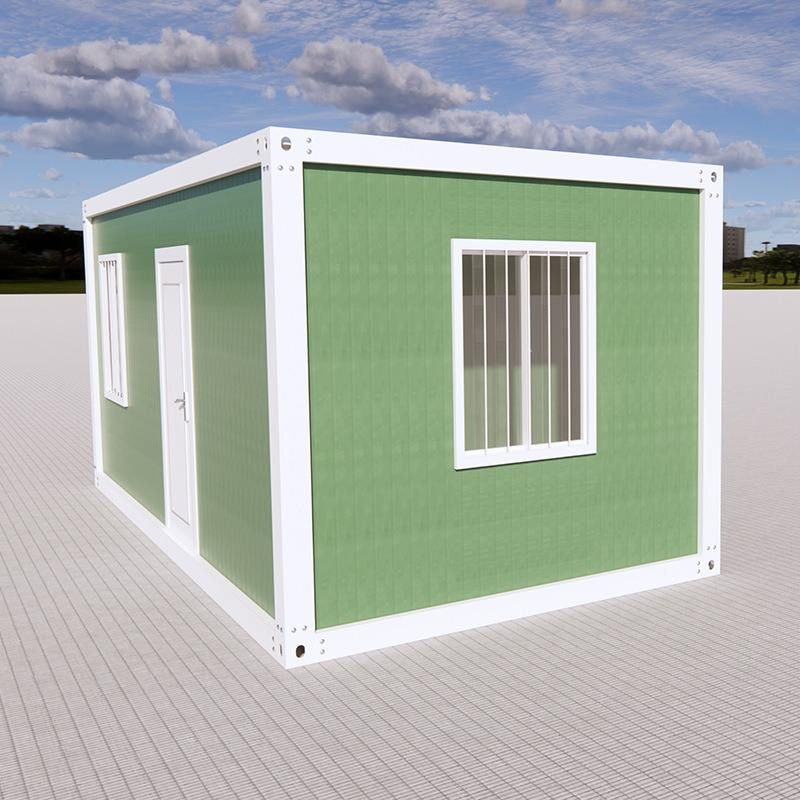
A temporary folding mobile toilet is a facility that can be moved as a whole and provides toilet services to the public. It has characteristics such as mobility, modularity, and ease of transportation, making it suitable for various locations and having multiple classification methods.
I. Basic Definition and Characteristics
A temporary folding mobile toilet is a facility that can be moved in its entirety. It can be set up at locations with fixed or temporary needs to provide toilet services to the public and clients. Its outstanding advantages are mobility, modularity, and ease of transportation, which allow it to be flexibly applied in different scenarios. For example, at transportation hubs like train stations and docks, where there is a high volume of people and the demand for toilet facilities changes over time, mobile toilets can be moved and adjusted according to actual needs. At tourist attractions, during peak seasons when the number of tourists increases, mobile toilets can promptly supplement toilet resources and relieve pressure. During large-scale construction projects, when workers are concentrated, mobile toilets can also meet their basic needs.
II. Some Practical Designs
Some foldable mobile toilets have practical designs. Some are designed with a low-height structure, which greatly facilitates the transportation process and reduces transportation difficulty and cost. For example, the Kangji elderly toilet seat mobile commode stool adopts a stainless-steel folding design, which not only ensures structural stability but also facilitates storage and movement. The design of leather soft seat plates and gourd-shaped toilet plates takes into account the comfort and versatility of use, suitable for both men and women, for home use, and can also be placed in the bathroom or beside the bed, providing convenience for the elderly and others with mobility issues.
III. Composition Structure
Mobile toilets are generally composed of multiple parts. The fecal sewage storage tank (or fecal sewage treatment device) is used to collect and treat fecal sewage; the floor provides a stable standing and activity space; sanitary ware meets basic toilet needs; walls serve to isolate and protect privacy; washing equipment facilitates user cleaning; a water tank provides water for flushing and other purposes; the roof protects against wind and rain; and the mobile device enables the toilet to be moved as a whole.
IV. Classification Methods
According to structural form, they can be divided into single-structure mobile toilets and composite-structure mobile toilets; according to movement method, they can be divided into hoisting and handling-type mobile toilets, powered and towed-type mobile toilets; according to sewage treatment method, they can be divided into water-flush and non-water-flush suction-type mobile toilets, circulating water-flush mobile toilets, and dry-packing mobile toilets.



