
Temperature Inside Container Houses
The temperature inside container houses varies due to multiple factors, and a fixed value cannot be provided. However, a general range can be estimated based on the season, wall panel thickness, and environmental conditions.
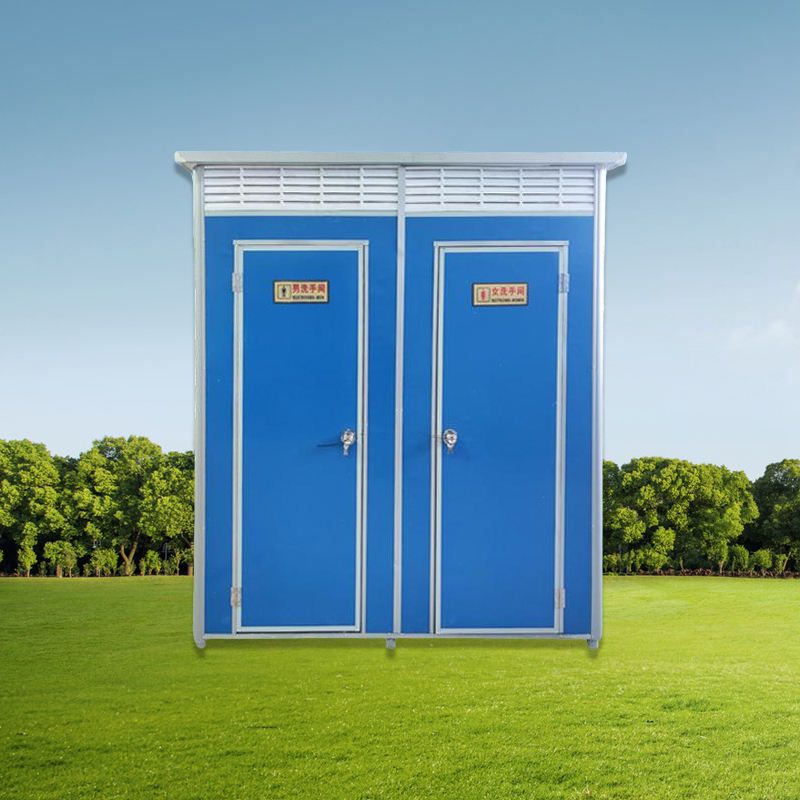
Summer Temperature Characteristics:
In summer, the internal temperature of a container is typically 10℃ to 20℃ higher than the external environment, and it may exceed 50℃ under extreme sun exposure. For example, when the outside temperature is 35℃, the internal temperature of an empty container can easily rise above 45℃; if exposed to prolonged midday sun, the temperature will continue to increase. However, if the container is parked in a shaded area or equipped with insulation layers and ventilation devices (such as exhaust fans and skylights), the internal temperature can be significantly reduced. Insulation layers effectively block external heat transfer, while ventilation devices accelerate heat dissipation through air circulation, combining to alleviate high-temperature issues.
Winter Temperature Characteristics:
The thermal insulation performance of container houses in winter primarily depends on the thickness of the wall panels:
- Mild Cold Range (0℃ to 5℃): For a 50mm wall panel container, the indoor-outdoor temperature difference is approximately 5℃ to 10℃. With doors and windows closed, the indoor temperature can be maintained at 5℃ to 10℃; for a 75mm wall panel container, the temperature difference increases to 10℃ to 13℃, with a stable indoor temperature of 10℃ to 13℃; a 150mm wall panel container can maintain an indoor temperature above 15℃.
- Severe Cold Range (-5℃ to -10℃): For a 50mm wall panel container, the indoor-outdoor temperature difference narrows to about 8℃, with an indoor temperature maintained only at 0℃ to -2℃; a 75mm wall panel container, combined with sealing measures, can maintain a stable temperature of 8℃ to 12℃, reaching 18℃ with the addition of a small air conditioner or floor heating; a 150mm wall panel container can still maintain an indoor temperature above 12℃ without additional heating, and the room temperature can rise to 20℃ to 22℃ when heating equipment is turned on.
- Extreme Cold Range (-20℃ to -30℃): A 50mm wall panel container is completely unsuitable for habitation, with indoor temperatures dropping below freezing; a 75mm wall panel container requires high-power floor heating (with a power of no less than 80W/㎡) and full-house sealing modifications to maintain a temperature above 10℃; a 150mm wall panel container, combined with a floor heating system and fresh air dehumidification device, can maintain a stable temperature of 18℃ to 20℃.
Other Influencing Factors:
In addition to the season and wall panel thickness, the external environmental temperature, whether the container employs effective insulation measures, the characteristics of the internal cargo (such as whether it generates heat), and ventilation conditions all significantly affect the temperature inside the container house. For example, dense cargo or poor ventilation may lead to an increase in internal temperature, while good ventilation design helps maintain a suitable temperature.



