
Suzhou Intelligent Mobile Toilet Design
The design of intelligent mobile toilets in Suzhou fully embodies the deep integration of technology and innovation, enhancing user experience and management efficiency through intelligent technologies while also taking into account environmental protection and aesthetic needs. The design features can be elaborated from the following three aspects:
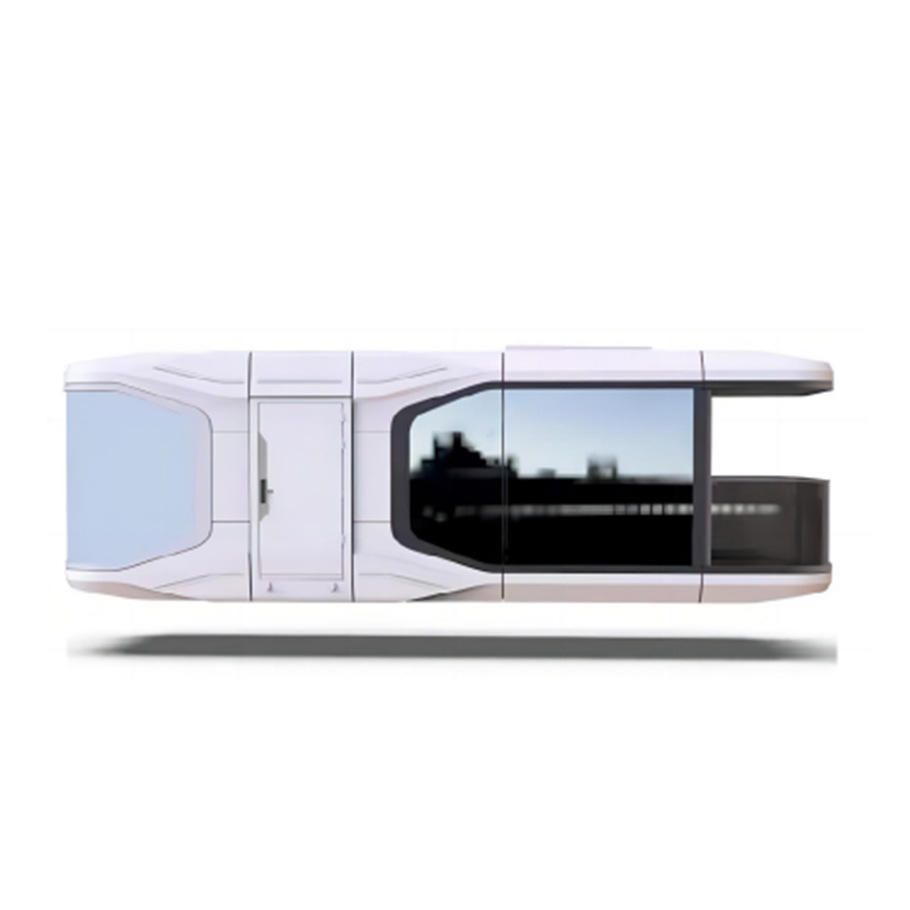
I. Intelligent Technology Applications Enhance Functional Experience
The core of intelligent mobile toilets in Suzhou lies in functional upgrades through technologies such as the Internet of Things (IoT), 5G, and big data. For example, the smart public toilet in Yuanhe Tang Park utilizes 5G networks to transmit data in real-time, allowing users to check toilet occupancy status, air quality indices (such as ammonia and hydrogen sulfide concentrations), and temperature and humidity information via electronic screens or mobile apps, avoiding waiting in line. Products from Lianjia Jisheng (Suzhou) Environmental Technology Co., Ltd. monitor water and electricity consumption, foot traffic, and other data through sensors, optimizing cleaning frequency and resource allocation through big data analysis for dynamic management. Additionally, the intelligent toilet at Tiger Hill introduces intelligent cleaning robots for toilet stalls, which automatically perform floor sweeping, ultraviolet disinfection, and air purification during unoccupied periods, reducing manual intervention while ensuring hygiene standards.
II. Environmental Protection and Resource Recycling Design
Intelligent mobile toilets in Suzhou emphasize energy conservation, emission reduction, and resource recycling. Some designs adopt vacuum suction flushing systems, reducing water consumption to less than one-third of traditional toilets through negative pressure technology, while treating excreta with microbial degradation technology for pollution-free discharge. Finished public toilets from Lianjia Jisheng also integrate solar panels to power lighting, ventilation, and other systems, reducing reliance on the municipal power grid. Furthermore, rainwater collection devices are applied to some outdoor public toilets for flushing or green irrigation, further conserving water resources.
III. Integration of Traditional Aesthetics and Modern Technology
As a historical and cultural city, Suzhou's intelligent mobile toilet design incorporates regional cultural characteristics. The intelligent toilet at Tiger Hill adopts Chinese garden style as its exterior theme, featuring elements such as upturned eaves and lattice window patterns, harmonizing with the surrounding landscape. Internally, hidden wiring layouts and intelligent sensor lighting designs enhance technological sophistication while preserving traditional charm. For example, the lighting system automatically adjusts brightness based on ambient light, saving energy while creating a comfortable atmosphere.
In summary, intelligent mobile toilets in Suzhou, through the organic integration of technological innovation, environmental protection concepts, and cultural expression, not only improve public service quality but also provide an innovative model for urban smart construction.



