
Quay lại blog
Bài viết
Suizhou Prefabricated Housing
Quản trị 17 tháng 9, 2026
There are mainly two forms of prefabricated housing in Suizhou: prefabricated concrete houses and movable panel houses.
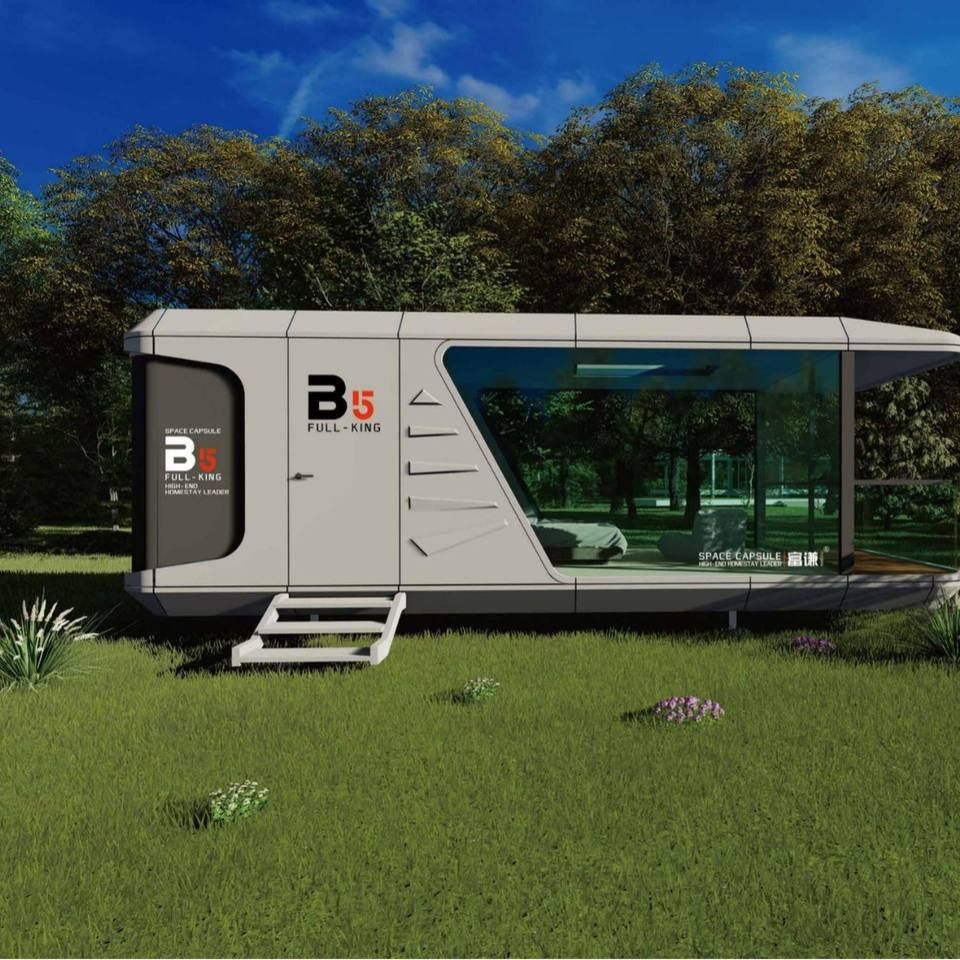
Prefabricated Concrete Houses
- Definition and Characteristics: Walls, floor slabs, and other components are pre-fabricated in factories and then transported to construction sites for assembly. They have the characteristics of fast construction speed, environmental protection, and durability, and can meet diverse housing needs.
- Construction Period: Traditional buildings take several months to a year, while prefabricated concrete houses only take a few weeks.
- Quality Control: During factory production, components undergo precise design and strict inspection to ensure that their strength and durability meet standards.
- Environmental Protection: Concrete materials can be recycled. The production process reduces the consumption of natural resources, and factories can better control waste generation, thereby reducing environmental pollution.
- Application Scenarios: In Suizhou, they are suitable for residential buildings, commercial buildings, and public facilities. Schools and hospitals favor them for their high efficiency and cost-effectiveness; in rural areas, they have become the preferred option for farmers to improve their living conditions.
- Development Status: With technological progress, design and production processes are constantly being updated. The application of intelligent production and BIM technology can improve production efficiency and quality, reduce resource waste, and show significant market potential.
Movable Panel Houses
- Basic Concept and Structural Characteristics: They belong to prefabricated buildings, with standardized components produced in factories and quickly assembled on-site. They include load-bearing skeletons (mostly light steel structures), enclosure systems (wall, roof, and floor structures), and supporting facilities (doors, windows, electrical wiring, and water supply and drainage systems, etc.).
- Material Selection: Lightweight and high-strength building materials are used. Exterior wall panels often use composite sandwich panels with thermal insulation materials in the middle; roofing materials need to have waterproof and weather-resistant properties.
- Advantages and Characteristics: High construction efficiency, with a construction period that saves about half or more compared to traditional buildings; outstanding flexibility, as they can be expanded, reduced, or relocated, suitable for temporary use scenarios; good cost-effectiveness, as standardized production and rapid installation make construction costs relatively low; good environmental protection characteristics, as most materials can be recycled, with less construction waste and a focus on energy-saving design.
- Specific Application Scenarios: They are often used as temporary office spaces to meet the office needs of project teams; in the commercial sector, they serve as temporary shops or exhibition centers; educational institutions use them as temporary classrooms or activity venues to provide transitional teaching spaces.



