
Strengthen Mobile Toilet Allocation
Strengthening the allocation of mobile toilets requires a comprehensive approach encompassing policy promotion, scenario adaptation, and management standardization.
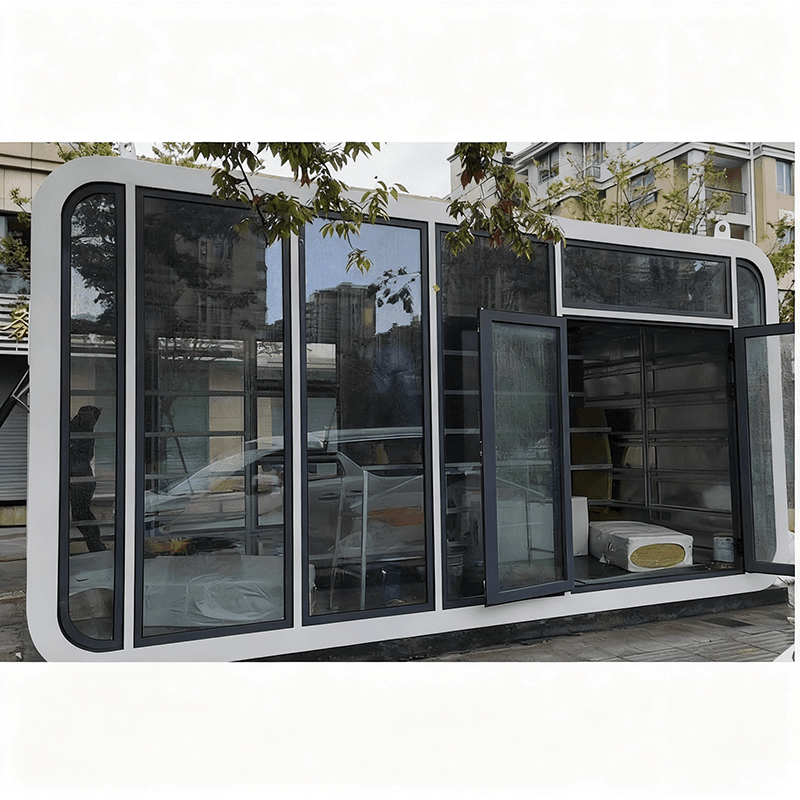
I. Policy Promotion and Regional Coverage
The Ministry of Culture and Tourism, in collaboration with multiple departments, issued the "Guidelines on Promoting High-Quality Development of Tourism Public Services," explicitly calling for enhanced mobile toilet provision to alleviate the "toilet shortage" during peak tourism periods. Priority is given to underdeveloped regions in central and western China, as well as special environments such as high-altitude, high-cold, water-scarce, and electricity-scarce areas, aiming to narrow service disparities through policy support. Additionally, tourism venues are encouraged to advance smart toilet construction, including real-time monitoring of toilet stall usage and air quality, and improving electronic map labeling functions to enhance visitor convenience in locating toilets.
II. Precise Allocation by Scenario
The demand for mobile toilets varies significantly across different scenarios, necessitating flexible adjustments based on scale and usage characteristics:
- Small Events (Under 100 people): Allocate 1-2 toilets per 50 people. For example, set up 1 single-stall toilet for events with up to 50 people, increase to 2 single-stall or 1 double-stall toilet for 50-100 people, and reserve 1 spare toilet for emergencies.
- Medium Events (100-500 people): Allocate 2-3 toilets per 100 people, with a recommended male-to-female stall ratio of 1:1.5. For instance, a 200-person event could have 2 double-stall and 1 single-stall toilet, while events with over 300 people should increase to 4-5 toilets and include 1 accessible toilet.
- Large Events (Over 500 people): Allocate 3-5 toilets per 100 people. For a 1000-person event, it is advisable to have 3 double-stall, 3 single-stall, and 1 accessible toilet, with temporary handwashing stations added during peak times.
- Special Scenarios: For long-term usage scenarios like construction sites and tourist attractions, allocate 1 toilet per 30-50 people; for campsites, recommend 1 toilet per 20 people, paired with shower facilities, and reserve a 10% surplus to handle equipment failures or sudden increases in user numbers.
III. Management Standards for Construction Site Scenarios
Mobile toilets at construction sites must strictly adhere to standards for location selection, cleanliness, and safety:
- Location and Layout: Position toilets at least 10 meters away from construction areas to avoid dust and noise interference; maintain a male-to-female stall ratio of 1:3 and install clear signage nearby.
- Cleaning and Maintenance: Clean toilets at least twice daily, focusing on high-touch areas like door handles and partitions; regularly inspect water and electricity facilities and place deodorizers in summer.
- Safety and Hygiene: Equip toilets with emergency lighting and ventilation systems, prohibit storage of miscellaneous items, and conduct regular disinfection to prevent the spread of infectious diseases.
- Response to Special Weather Conditions: Install insulation layers on water tanks in winter to prevent freezing, inspect drainage systems before heavy rain, and secure toilets in strong winds to prevent tipping.
Through policy guidance, scenario-based allocation, and standardized management, the service capacity and user experience of mobile toilets can be systematically enhanced.



