
Types of Street Mobile Toilets
Street mobile toilets can be classified into the following main types based on different criteria:
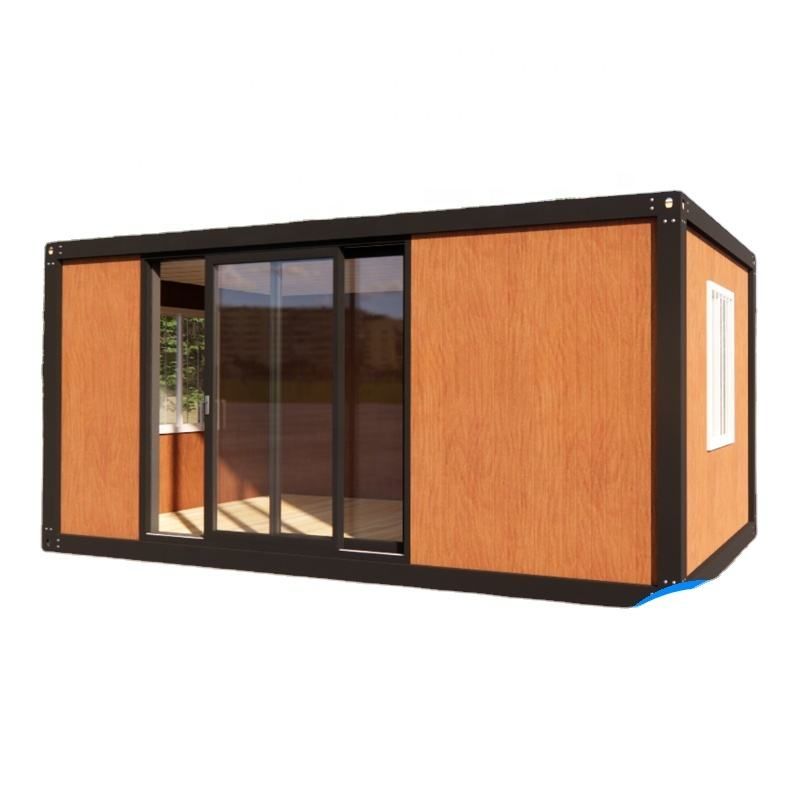
From the perspective of materials, street mobile toilets can be divided into plastic toilets, color-steel toilets, fiberglass-reinforced plastic toilets, and tent-style toilets. Plastic toilets are usually made of high-strength plastic, featuring light weight, corrosion resistance, and easy cleaning. They have relatively low costs and are suitable for short-term or temporary use scenarios. Color-steel toilets use color-coated steel sheets as the main material, with a sturdy structure, an attractive appearance, and certain thermal insulation properties, enabling them to adapt to street environments under different climatic conditions. Fiberglass-reinforced plastic toilets are made of fiberglass-reinforced plastic, having high strength, light weight, and aging resistance. Their smooth surfaces make it difficult for bacteria to breed, facilitating daily maintenance and management. Tent-style toilets are composed of tent fabrics and supports, which are easy to set up and dismantle, highly flexible, and can be quickly adjusted in position and scale according to actual needs. They are commonly used in temporary street events.
Based on the method of movement, street mobile toilets include hoisting-type and towing-type. Hoisting-type mobile toilets require lifting equipment for movement and are suitable for fixed positions that need periodic relocation, such as around some street construction sites. Towing-type mobile toilets come with wheels and can be moved like trailers, with simple operation. They are particularly suitable for large-scale street events and can be flexibly adjusted in position according to the pedestrian flow distribution at the event site.
In terms of sewage treatment methods, common types on the street include traditional water-flushing, foam-sealing, and microbial degradation. Traditional water-flushing mobile toilets need to be connected to sewage pipes and are used when there is an adequate water supply. They can provide a relatively good toilet experience but have high construction and maintenance costs. Foam-sealing mobile toilets use foam instead of water for flushing, having the advantages of water conservation and environmental protection. They are relatively common in street areas of scenic spots. Microbial degradation mobile toilets decompose feces into harmless substances through the action of microorganisms, achieving ecological treatment. They are often used in street places with high environmental protection requirements, such as ecological parks.
In addition, street mobile toilets also have structural forms such as single-unit and modular. Single-unit mobile toilets have only one independent compartment, occupying a small area and being suitable for street places with scattered pedestrian flow. Modular mobile toilets adopt a modular design, allowing multiple toilet compartments to be拼接 (spliced) together. They can also be equipped with facilities such as hand-washing sinks to meet the usage needs of different-sized groups of people.



