
Steel Structure Mobile Toilet Installation
The installation of steel structure mobile toilets is centered around modular design, featuring convenience, durability, and strong adaptability, making them suitable for various temporary or fixed locations.
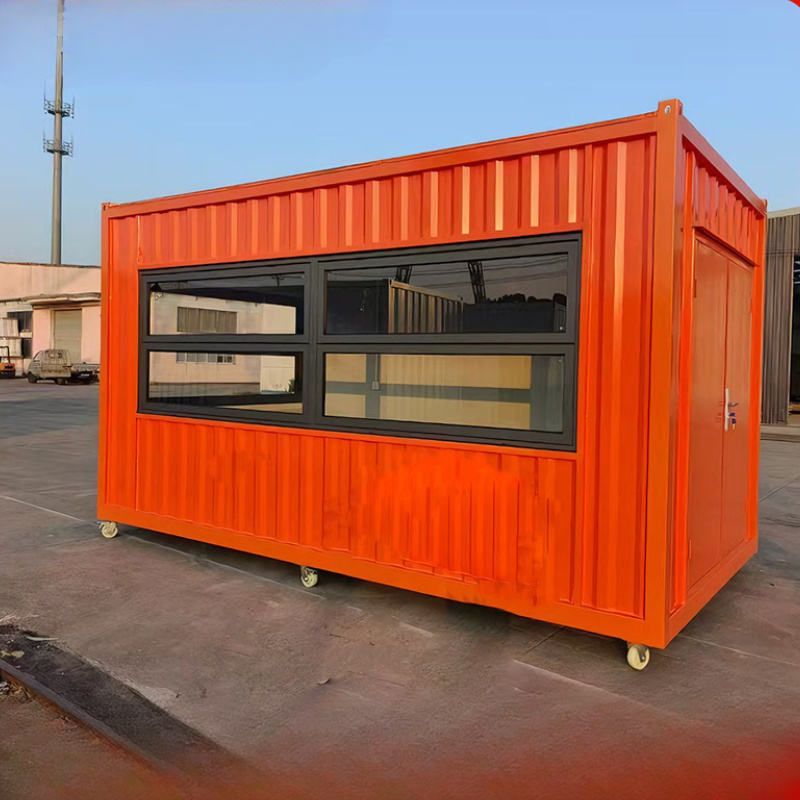
1. Structural Composition and Material Characteristics
Steel structure mobile toilets use a steel frame as the load-bearing system. The main frame is typically welded from galvanized steel or square steel to ensure structural strength and corrosion resistance. The enclosure structure is made of color-steel sandwich panels, metal carved panels, or composite wall panels, providing insulation, soundproofing, and aesthetic appeal. The base is equipped with a moisture-proof and corrosion-resistant chassis and lifting points for easy overall handling. Its modular design allows for flexible combination of functional units (such as men's and women's restrooms, management rooms) according to needs, adapting to different scenarios.
2. Technical Features and Functional Implementation
- Installation and Transportation: Rapid deployment is achieved through overall lifting or forklift transportation, suitable for construction sites, scenic spots, temporary events, and other locations. Modular design reduces on-site construction time and minimizes environmental impact.
- Environmental Adaptability: In northern regions, enhanced wind and snow load resistance is required, achieved through the use of thicker steel and reinforced connectors. Anti-freezing design prevents pipeline freezing through insulation layers and electric tracing systems. Weather resistance is ensured through anti-corrosion coatings and sealing treatments, maintaining structural stability after frequent relocation.
- Sewage Disposal and Ventilation: Multiple sewage disposal methods are provided, including packaged collection (suitable for areas without sewers), direct water flushing (requiring a配套 septic tank), microbial degradation (environmentally friendly and energy-saving), and vacuum negative pressure (water-saving and efficient). The ventilation system combines natural ventilation with mechanical exhaust to maintain fresh indoor air.
3. Quality Control and Production Process
Excellent factories follow a standardized production process, covering design, cutting, welding, anti-corrosion treatment, assembly, and quality inspection. Key control points include:
- Steel Pretreatment: Shot blasting is used to improve coating adhesion and extend service life.
- Weld Inspection: Non-destructive testing ensures structural safety.
- Anti-Corrosion Coating: Epoxy zinc-rich primer and polyurethane topcoat are used to enhance weather resistance.
- Waterproof Nodes: Sealing treatment is applied to roofs and joints to prevent leakage.
- Sanitary Ware Installation: Water-saving devices are selected, and the reliability of water and electrical systems is tested.
4. Application Scenarios and Customized Services
Steel structure mobile toilets are widely used in areas where fixed public toilets are insufficient, such as construction sites, scenic trails, and park squares. Factories can adjust dimensions, pit quantities, and sewage disposal methods according to site conditions and offer personalized exterior customization (such as wood grain or stone texture). Through flexible production modes, they cater to both bulk deliveries and special requirements, completing water testing, power-on, and lifting verification before shipment to ensure the product is ready for immediate use.



