
Quay lại blog
Bài viết
Steel Structure Factory and Container House
Quản trị 16 tháng 9, 2026
There are significant differences between steel structure factories and container houses in terms of structure, performance, and application scenarios.
Structural Characteristics
- Steel Structure Factories: They typically use large steel components such as steel beams and columns, constructing the overall framework through welding and bolt connections. The structure has a large span, meeting the needs of large-area and large-space production or warehousing. It has strong structural stability and can withstand significant loads and external forces such as wind and earthquakes.
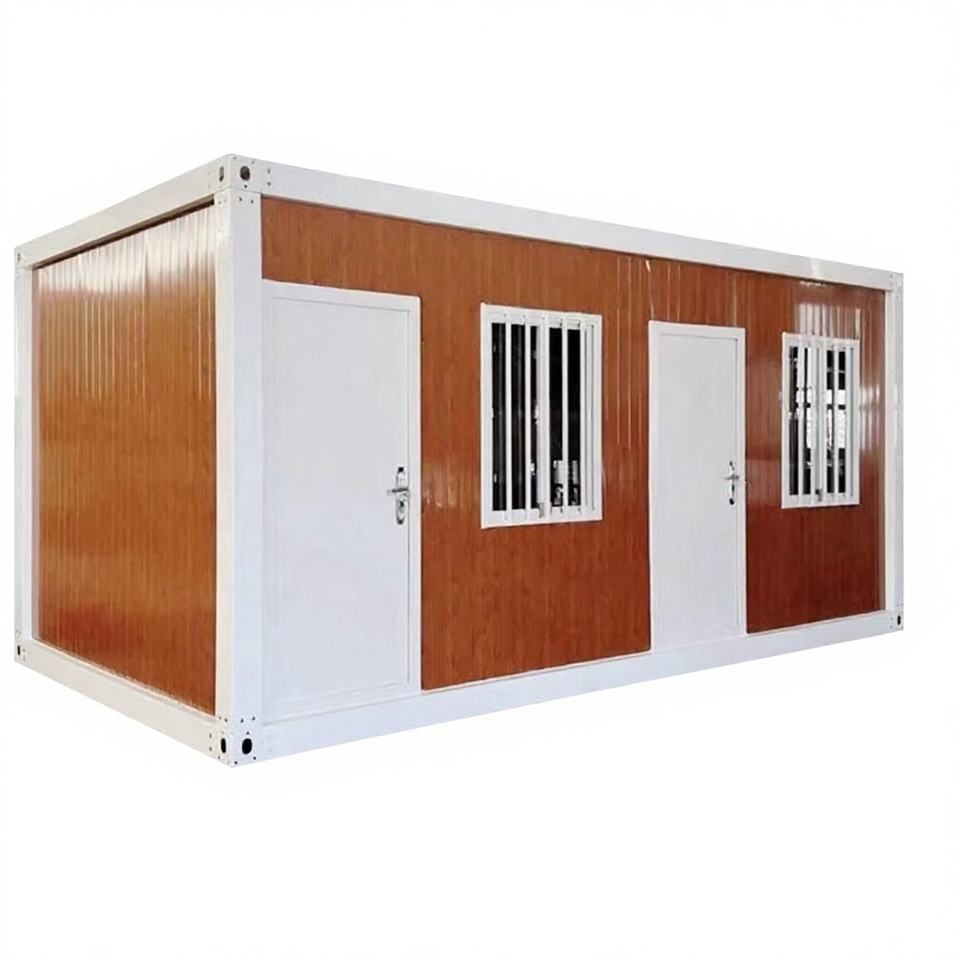
- Container Houses: They are modified based on standard containers, adopting a full steel structure framework. However, their overall dimensions are relatively fixed, generally composed of multiple container modules spliced together. Their structure is relatively lightweight, facilitating transportation and installation, but their span and spatial flexibility are relatively small.
Performance
- Wind and Earthquake Resistance: Steel structure factories can have high wind and earthquake resistance levels according to design requirements, enabling them to cope with harsh natural environments. For example, the wind resistance level of some large industrial factories can reach above Level 12, and the earthquake resistance level can meet local earthquake fortification requirements. The packing-box units of Suzhou Zhongnan Steel Structure Co., Ltd. have a wind resistance level of Level 12 and an earthquake resistance level of Level 8.
- Deformation Rate: High-quality steel structure factory frameworks have a low deformation rate, ensuring long-term use stability. The deformation rate of container houses varies depending on the brand and product. For example, the deformation rate of the packing-box unit framework of Suzhou Zhongnan is only 0.18%, far below the industry's qualified threshold of 0.3%.
Application Scenarios
- Steel Structure Factories: They are widely used in industrial production fields such as machinery manufacturing, automobile production, and electronic processing, as well as in large-scale warehousing and logistics centers.
- Container Houses: Their application scenarios are more diverse. In addition to serving as temporary office spaces and dormitories, they can also be used in commercial pop-up stores, cultural and tourism homestays, and emergency support. Their modular design and mobility enable quick setup and dismantling, adapting to different project requirements.



