
South Island Prefabricated Housing
No direct information about 'South Island Prefabricated Housing' has been found yet, but relevant popular science content about Chinese prefabricated houses (modular buildings) can be provided.
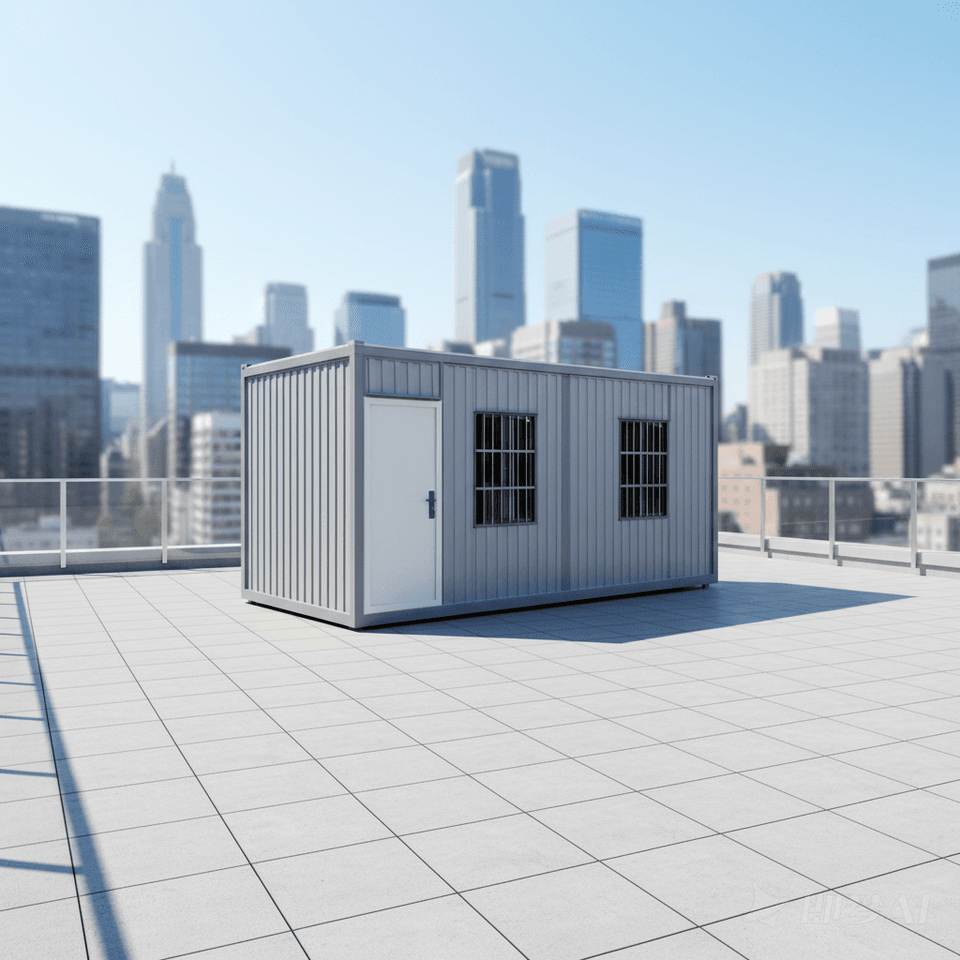
Chinese prefabricated houses are a type of prefabricated building. Their core construction model involves breaking down the building into independent modules, which are manufactured in factories and then transported to the construction site for assembly. This model combines industrial production with construction needs and has significant characteristics and advantages:
1. Factory-based production with strong quality control The modules of prefabricated houses are produced through standardized processes in factories, with minimal impact from environmental factors such as weather and temperature. This allows for strict control over material quality and construction accuracy. For example, components like walls and floor slabs are made in constant-temperature and constant-humidity workshops, avoiding dimensional deviations or material waste that can occur in traditional on-site construction, resulting in higher overall structural stability.
2. On-site assembly with significantly shortened construction periods After the modules are prefabricated in factories and transported to the site, only assembly is required, eliminating the need for step-by-step construction from foundation to roof. Taking the 70-square-meter Chinese prefabricated house purchased by an American couple as an example, factory production takes about 30 days, transportation takes 1 month, and on-site assembly takes only 1 day. The total construction period is more than 50% shorter than that of traditional buildings. This efficiency advantage makes it suitable for emergency housing needs or short-term projects.
3. Significant cost advantages Prefabricated houses reduce material and labor costs through large-scale production. In the aforementioned case, the house body costs $15,800 (about 110,000 yuan), and the total landed cost including freight is 200,000 yuan, which is much lower than the cost of a traditional building of the same area. In addition, factory production reduces on-site construction links, further cutting management costs and time costs.
4. Flexibility and scalability The modular design supports adding or reducing space as needed. For example, floor expansion can be achieved by stacking modules, or horizontal splicing can be used to increase the usable area to meet different scenario requirements. Some prefabricated houses also adopt expandable structures, which compress in volume during transportation and expand to their full shape on-site, improving transportation efficiency.
5. Outstanding environmental performance Factory production allows for precise control over material usage, reducing construction waste; modules can be disassembled and reassembled, enabling resource recycling. Some prefabricated houses use environmentally friendly materials (such as recycled steel and low-VOC paints) to reduce their impact on the environment.
Currently, Chinese prefabricated houses have been applied in various fields such as residential, office, and tourism facilities, and are gradually expanding into the international market. Their technological maturity and cost-effectiveness provide a reference model for the development of global prefabricated buildings.



