
Small Portable Toilet for Home Use
A small portable toilet for home use typically refers to a movable toilet facility suitable for home settings. Its design focuses on convenience and practicality, allowing users to choose from different types based on their needs and pay attention to key purchasing considerations.
I. Common Types and Characteristics
Portable Toilet Seat for Home Use Primarily designed for the elderly or pregnant women with mobility issues, it features a deep toilet bucket and a handle-lid structure. Users can complete operations without getting up, and the toilet bucket has a large capacity and good sealing to reduce odor diffusion. It usually has strong load-bearing capacity (some products can bear over 150kg), with a smooth and easy-to-clean surface material. Some models are also equipped with anti-slip bases or handrails to enhance safety during use.
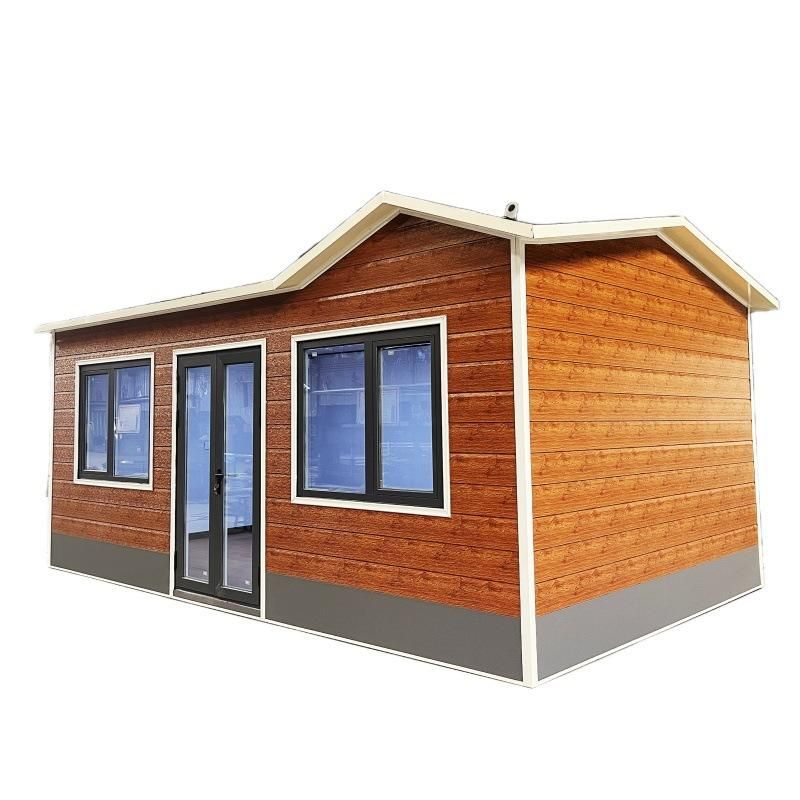
Rural Home Portable Toilet Suitable for rural families without fixed toilets or for outdoor use, it is mainly made of steel structures, fiberglass, or stainless steel. Steel structure products are cost-effective but require rust prevention treatment; fiberglass is corrosion-resistant and lightweight; stainless steel combines aesthetics with durability. These facilities support customized production and can be equipped with septic tanks or sewage pipes. Some high-end models also integrate functions such as sinks and ventilation systems to meet long-term use needs.
Portable Single-Structure Toilet Composed of a feces storage tank, sanitary ware (such as a simple toilet seat), and detachable walls, it is compact in size (usually no more than 1 meter in length, width, and height). Its advantage lies in its ability to be quickly moved by hoisting or manual handling, making it suitable for temporary events, during renovation periods, or in emergency scenarios. Some products use biodegradable materials to store feces, reducing the frequency of cleaning.
II. Purchasing Recommendations
- For daily home use: Prioritize portable toilet seats with handle lids, focusing on the toilet bucket capacity (recommended ≥10L), sealing, and handle stability. If there are elderly people at home, consider models with handrails or anti-slip bases.
- For rural or outdoor settings: Prioritize steel or fiberglass materials to ensure weather resistance and load-bearing capacity. For long-term use, choose models equipped with sewage systems to avoid frequent cleaning; for temporary use, portable single-structure toilets are more economical.
- For portability: Check if the product is equipped with wheels, handles, or detachable structures. For example, some portable toilet seats have universal wheels at the bottom for easy indoor movement; the walls of portable toilets should be quickly detachable to reduce handling difficulty.
These facilities effectively address toilet needs in home settings with limited space or for special populations through modular design (such as detachable toilet buckets and independent sewage units). They are reusable, combining environmental friendliness with cost-effectiveness.



