
Small Mobile Toilet Installation
The installation of a small mobile toilet requires preparing tools and following specific steps, as detailed below:
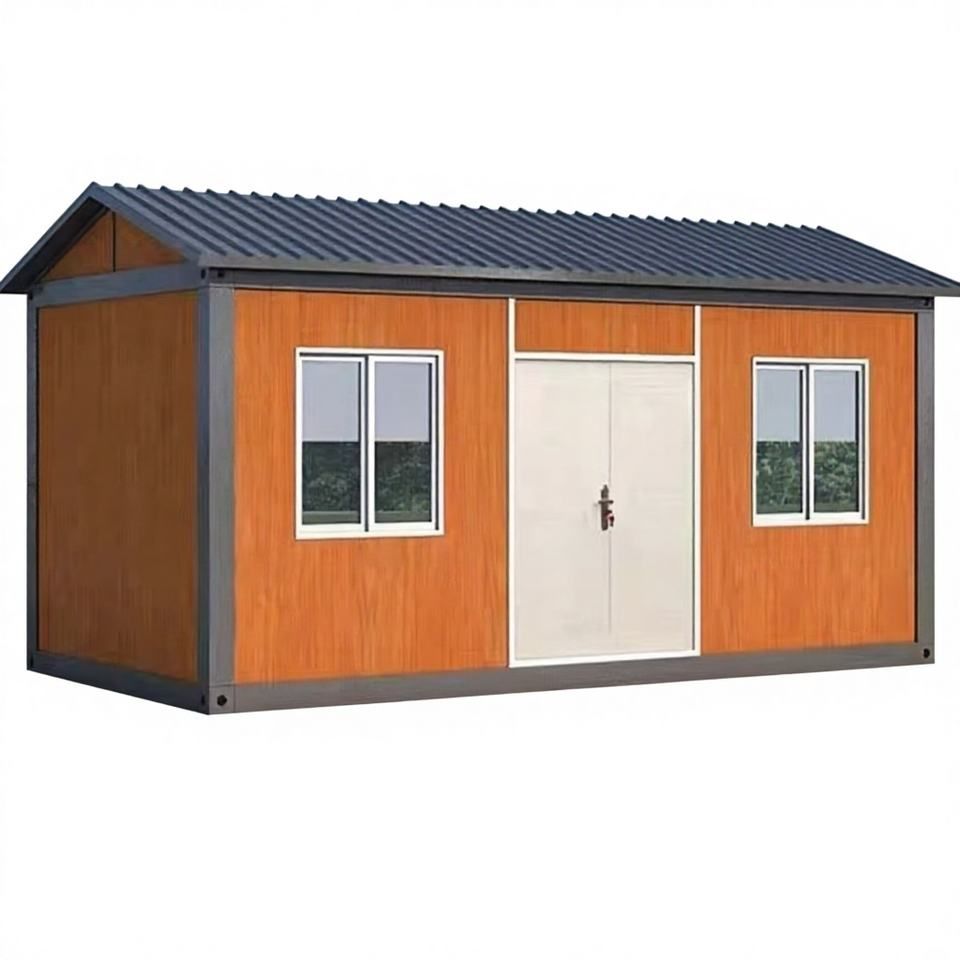
I. Preparing Tools and Materials Before Installation
Before installation, prepare tools such as an electric drill, a 4.2-millimeter drill bit, a rivet gun, and silicone anti-slip pads (if the toilet includes a mobile commode). For materials, the main frame of the mobile toilet is typically welded from steel, with channel steel or I-beams used at the bottom, square steel for columns, and materials like color-coated steel sheets or fiberglass-reinforced plastic for walls. Check that all components are complete, confirm there is no deformation or damage, and clear the installation site to ensure a flat ground surface.
II. Installing the Main Frame and Walls
- Frame Assembly: Weld the steel into a frame structure according to the design drawings, focusing on checking the load-bearing stability of the bottom channel steel or I-beams, as well as the perpendicularity of the columns and crossbeams.
- Wall Installation: Fix wall materials such as color-coated steel sheets or fiberglass-reinforced plastic onto the frame. For segmented walls, insert the panels into the slots and align them to ensure even gaps; for integrated walls, directly bolt them to the frame.
- Securing and Reinforcing: Use an electric drill to make holes (with a diameter of 4.2 millimeters) at the connections between the walls and the frame, insert rivets, and secure them with a rivet gun to ensure a firm and non-loose connection.
III. Installing the Mobile Commode (if applicable)
- Anti-Slip Pad Installation: Place silicone anti-slip pads in the four corners of the commode's bottom to ensure tight contact with the ground and prevent sliding.
- Connecting Upper and Lower Commode Bodies: Align the buckle positions of the upper and lower commode bodies, press down to fully engage the buckles, and check for airtightness to avoid leakage.
- Connecting the Sewage Pipe: According to the design requirements, connect the commode's sewage outlet to the mobile toilet's sewage system, using a dedicated sealing ring or glue to ensure a sealed interface.
IV. Checking Details and Debugging
- Structural Stability: Check that all connection points are secure, and shake the frame to confirm there are no unusual noises or wobbling.
- Function Testing: If the system includes water and electricity, test functions such as flushing and lighting for normal operation; if it is a standalone unit, check that the ventilation openings are unobstructed.
- Safety Protection: Confirm there are no sharp protrusions on edges, and that ground anti-slip measures are in place to avoid usage risks.
Precautions: Wear protective gloves during installation to avoid cuts; if welding or electrical operations are involved, they should be carried out by professionals; after installation, clean the site and remove packaging materials.



