
Quay lại blog
Bài viết
Simple Container Renovated House
Quản trị 15 tháng 9, 2026
Simple container-renovated houses for living have many issues, but professional design and renovation can enhance their living performance and environmental value.
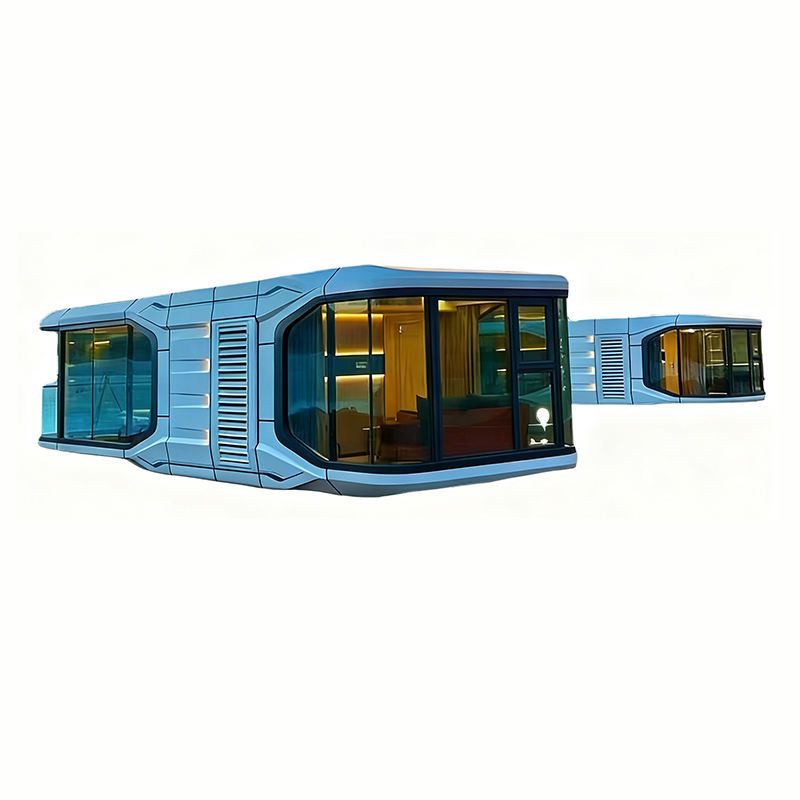
I. Living Issues with Simple Renovations
- Limited Space: The container dormitories at the Nagoya Asian Games were 13 meters long and 3 meters wide, with one unit divided into two households, each housing 3 people, totaling 6 people sharing 1 toilet, 1 shower, and 1 washing machine. The bedroom only fit two 195-centimeter single beds, with aisles barely wide enough for one person to pass sideways. Tall athletes couldn't even fit on the beds, severely limiting movement space.
- Inadequate Facilities: Each household was equipped with only one air conditioner. The thermal bridge effect of the metal walls resulted in poor insulation, making the interior stuffy and unbearable. The limited number of bathroom facilities required queuing for multiple users, affecting athletes' post-game recovery.
- Safety Concerns: Insufficient nighttime lighting created a spooky atmosphere, with athletes worrying about inadequate security measures. During heavy rain, water could flood into the containers, and there were even fears of being washed away, with some venues experiencing leaks.
II. Technical Pathways for Professional Renovation
- Structural Optimization: By adding C-shaped steel purlins to distribute loads, the issue of insufficient floor stiffness was resolved, allowing the containers to be stacked three layers high while maintaining stability. The container surface was shot-blasted to remove rust and then coated with protective paint to extend the lifespan of the steel.
- Thermal Insulation Improvement: A broken-bridge lining structure was adopted, filling the space between the steel frame and interior wall panels with rigid polyurethane foam and adding rubber insulation pads, reducing heat exchange efficiency by about 40% and lowering heating energy consumption.
- Environmental Integration: A self-circulating sewage system was installed, where gray water is sedimented and filtered for vegetation irrigation, and black water is converted into liquid fertilizer through microbial fermentation, achieving a water self-sufficiency rate of over 70%. Materials can be recycled throughout their lifecycle, with disassembly and assembly loss controlled within 5%, significantly reducing construction waste.
III. Suitability for Application Scenarios Temporary accommodations need to balance cost and experience. The Nagoya Asian Games adopted a container solution due to budget overruns but failed to fully consider athletes' needs. Professionally renovated container houses are more suitable for scenarios like wilderness camps and disaster emergency response, where their modular, movable, and eco-friendly features meet specific demands, though long-term high-density living should be avoided.



