
Side-Access Mobile Toilet
There is currently no explicit description of a 'side-access mobile toilet,' but its possible design features can be inferred based on the general structure of mobile toilets.
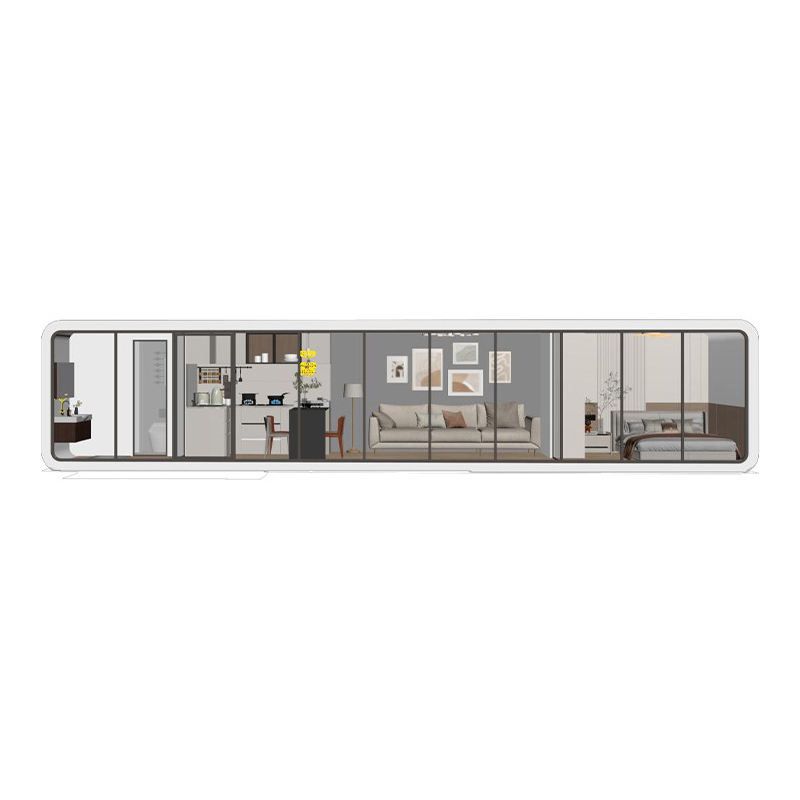
Mobile toilets typically consist of core components such as a fecal wastewater storage tank (or disposal unit), flooring, sanitary fixtures, walls, washing facilities, a water tank, a roof, and a mobility mechanism. Their design must balance functionality and portability, so 'side access' may involve the following structural or functional optimizations:
1. Side-Entry Structure
Traditional mobile toilets often feature a single side door for user entry and exit from the front. Emphasizing 'side access' may refer to the addition of an independent passageway or door on the side of the toilet unit. For example, in large event settings, side doors can quickly divert crowds to avoid front congestion; or in special terrains (such as narrow streets), a side-oriented layout can reduce space occupation. Some lightweight plastic mobile toilets, due to their smaller size, may use side-folding or sliding doors for rapid opening and closing, enhancing usage efficiency.
2. Side Ventilation and Wastewater Disposal Design
The ventilation system in mobile toilets is crucial for odor control. Some models feature side vents or exhaust fans that utilize air convection to accelerate odor removal. Such designs can be indirectly associated with the concept of 'side access'—that is, optimizing the internal environment through side airflow paths. Additionally, if the fecal wastewater storage tank adopts a side-pull design, it facilitates easier removal during cleaning, reducing the inconvenience of front-facing operations. However, this function is more maintenance-oriented and not directly related to the user's 'walking' path.
3. Side-Connected Modular Assembly
In temporary large venues (such as music festivals or disaster areas), multiple mobile toilets are often assembled into toilet clusters through modular connections. In this context, 'side access' may refer to adjacent toilets being connected via side passageways or corridors, allowing users to move between units without returning to the front, thereby enhancing overall usage fluidity.
It should be noted that 'side access' is not explicitly mentioned as a standardized design for mobile toilets in publicly available materials. The above inferences are based on general structural logic. For specific product information, it is recommended to contact mobile toilet manufacturers or consult engineering drawings to obtain detailed technical parameters of side-oriented layouts.



