
Shuozhou Mobile Environmental Toilet Inspection
The inspection of mobile environmental toilets in Shuozhou mainly involves projects such as building structure overview investigation, welding quality, anti-corrosion coatings, damage conditions, dimensional verification, component strength, and safety calculation analysis. The specific inspection contents are as follows:
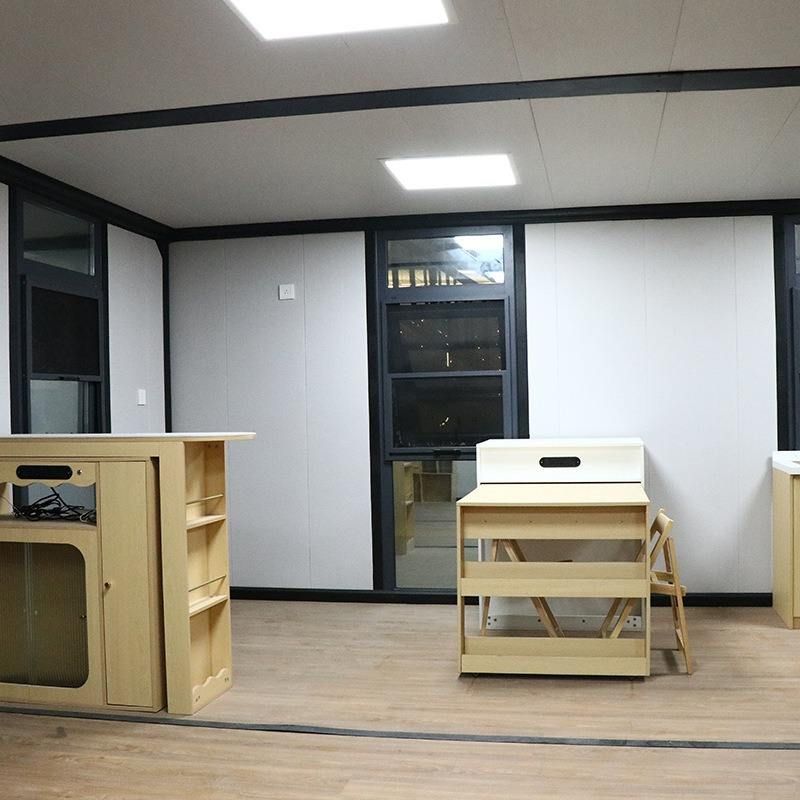
Building and Structure Overview Investigation: It is necessary to comprehensively grasp the structural form of the toilet, such as frame structures and truss structures; clarify the plan dimensions and total height to determine the rationality of its spatial layout; and verify the materials of the main components, for example, whether the steel model and specifications meet the design requirements, providing basic data support for subsequent inspections.
Welding Quality Inspection: Use visual inspection methods to focus on checking the quality of welds. Observe whether there are cracks in the welds. Cracks can reduce the structural load-bearing capacity and threaten usage safety. Check for weld bead disconnections. Weld beads may affect the appearance and dimensional accuracy of components, and disconnections directly damage the structural connections. Confirm the continuity of welds to avoid broken welds leading to insufficient structural strength. At the same time, check for weld slag residues, as residual weld slag may cause corrosion problems.
Paint/Anti-Corrosion Coating Quality Inspection: Also use visual inspection methods to evaluate the surface quality of the paint. Check the color uniformity. Non-uniform colors may affect aesthetics and imply inconsistent coating thickness. Confirm the firmness of the paint layer to prevent the coating from peeling off, which would expose the steel to easy corrosion. Check for defects such as blistering, marking, peeling, bleeding, and wrinkling. These defects will reduce the protective performance of the coating and shorten the structural service life.
Damage Inspection: Carefully check the structure for cracks, deformations, and local damage. Record the location, extent, and cause of damaged components to provide a basis for repair and reinforcement. Check the flatness of the toilet door and window openings to ensure good sealing and prevent rainwater leakage. Examine the surface integrity of the wall panels to confirm that there are no deformations or damage, ensuring the overall structural stability of the toilet.
Dimensional Verification: Use a 5m steel tape measure and a laser distance meter to verify the dimensions of the toilet. Compare the actual dimensions with the design dimensions to ensure that the dimensional deviations are within the allowable range, ensuring that the installation and use of the toilet meet the design requirements.
Structural Component Strength Inspection: Use the surface hardness method to conduct on-site sampling inspections of the strength of steel structural components. Select some steel components to measure the surface hardness, infer the tensile strength of the steel, confirm whether the actual strength of the steel meets the design requirements, and ensure the structural load-bearing capacity.
Structural Safety Calculation Analysis: Combine on-site inspection data, original design and construction information, and use professional structural analysis software to conduct load-bearing capacity calculation and analysis of the mobile toilet structure, evaluate the overall structural safety, and provide a scientific basis for the safe use of the toilet.



