
Self-Priming Mobile Toilet
Self-priming mobile toilets generally refer to vacuum self-priming mobile toilets, which are modern toilet facilities that utilize vacuum self-priming technology for efficient sewage discharge. Their core principle involves generating negative pressure through a vacuum system to rapidly extract sewage and exhaust gases, combined with a small amount of water for flushing to achieve cleanliness. They are characterized by water conservation, environmental friendliness, and ease of deployment. The following provides an explanation from three aspects: technical features, application scenarios, and market types.
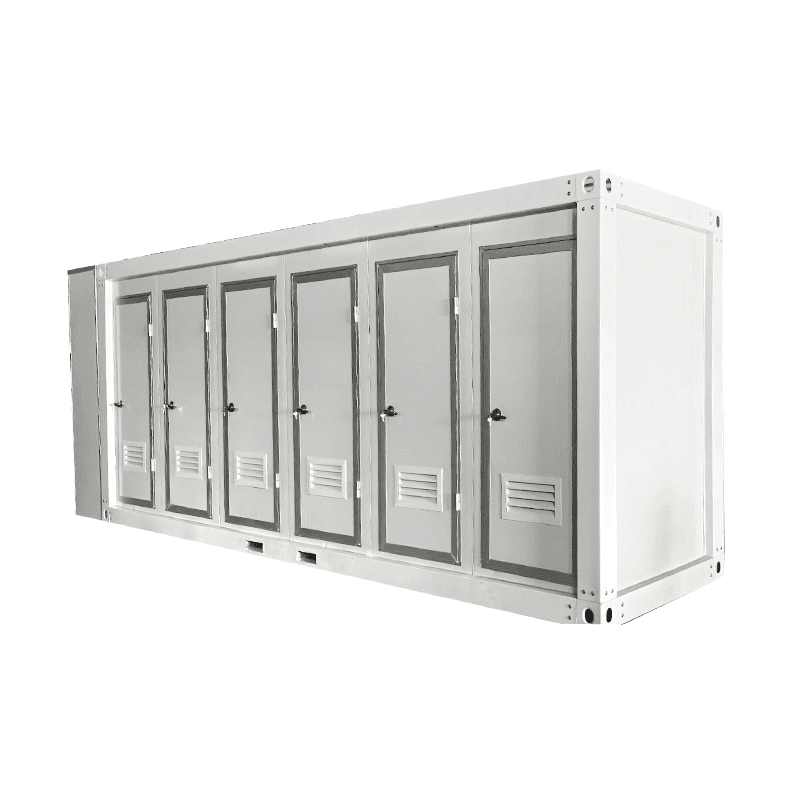
1. Technical Features and Advantages
Vacuum self-priming mobile toilets are constructed using a welding and splicing process with steel and color-coated steel plates, ensuring a sturdy structure and supporting customization and supply across the country. Their appearance can be individually designed to meet the needs of various scenarios such as construction sites, tourist attractions, and municipal areas. The core technology lies in the vacuum system: negative pressure is generated by a vacuum pump, requiring only a small amount of water (approximately 0.5 liters per flush) to complete the flushing process. Sewage and exhaust gases are transported through vacuum pipes to independent treatment facilities, effectively blocking the spread of odors from the source. Additionally, their modular design facilitates easy disassembly, transportation, and rapid deployment in temporary or permanent locations to meet urgent needs.
2. Typical Application Scenarios
These toilets are widely applicable in areas with high foot traffic and limited sewage discharge conditions. For example, transportation hubs such as train stations and docks require the short-term addition of toilets; tourist attractions and large construction sites face high costs for traditional toilet construction due to complex terrain or short construction periods; squares and exhibition venues for temporary events need to quickly set up sanitary facilities. Their independent sewage discharge system does not rely on municipal sewage networks, making them particularly suitable for remote areas or ecologically sensitive zones, reducing environmental pollution.
3. Mainstream Market Types and Sewage Discharge Methods
Currently, there are various brands of vacuum self-priming mobile toilets on the market, with three main types of sewage discharge methods:
- Microbial Degradation Type: This type decomposes feces through specific bacterial colonies without the need for flushing, suitable for water-scarce or highly environmentally demanding scenarios;
- Water-Flush Direct Discharge Type: This type relies on a small amount of water for flushing, with sewage directly discharged into septic tanks or municipal sewage networks, requiring regular cleaning;
- Vacuum Collection Type: This is the core type, utilizing a vacuum system to concentrate sewage in storage tanks for periodic transportation and treatment. It is the most water-efficient and effective in controlling odors.
Users can choose the appropriate type based on actual needs (such as water availability, treatment costs, and environmental standards). For example, arid regions may prioritize the microbial degradation type, while temporary event venues may opt for the vacuum collection type to enhance the user experience.



