
Self-made Mobile Toilet Septic Tank
The septic treatment of self-made mobile toilets can be achieved through single-chamber or triple-chamber septic tanks, requiring a combination of pipeline connections and regular maintenance. The specific solutions are as follows:
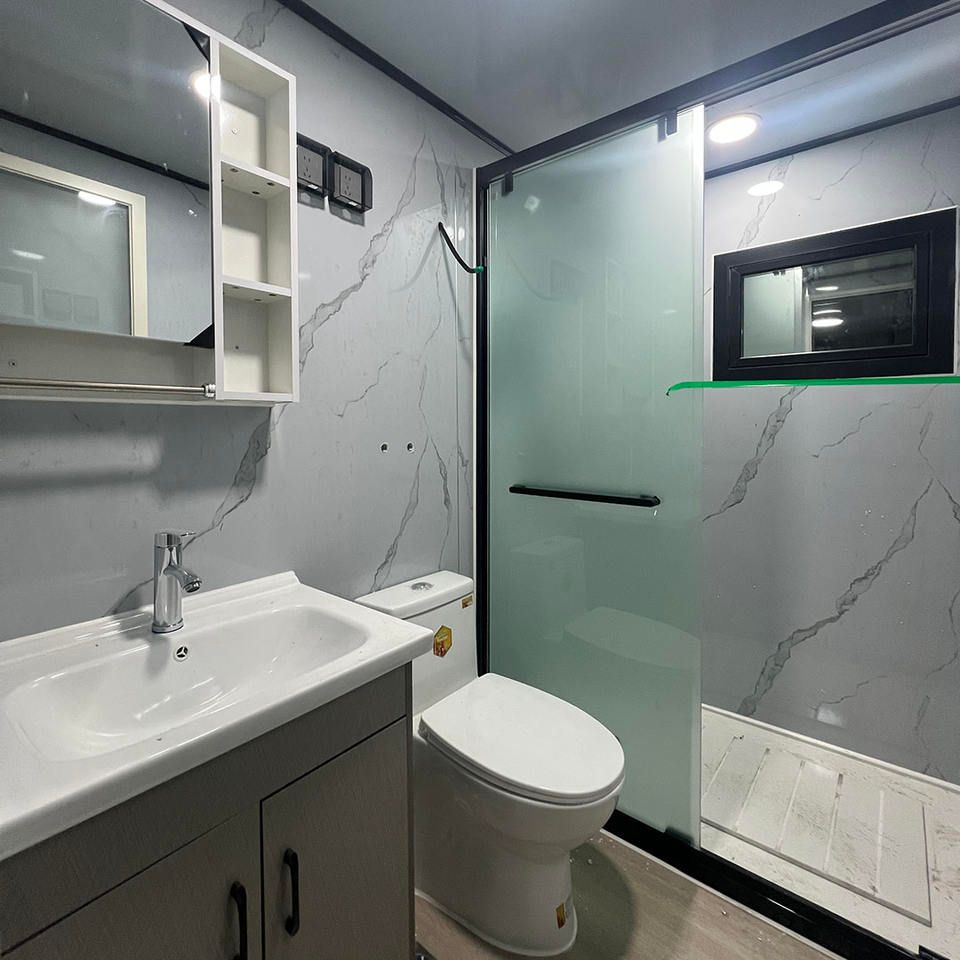
I. Selection of Septic Tank Types
Single-chamber Septic Tank
Suitable for simple scenarios or temporary use. Dig a pit directly beneath the toilet, lay the bottom with plain concrete or bricks, and apply mortar. Reinforce the sides with bricks to prevent leakage. Cover the top with precast slabs, leaving a gap in the middle for installing a squat toilet or a toilet seat, which should be sealed with sealant. Use a pressure water tank for flushing, storing feces and sewage in the tank. When full, it needs to be cleaned using a fecal suction truck. Advantages: Simple construction and low cost; Disadvantages: Limited purification effect, requiring frequent cleaning (approximately every 1-2 years).Triple-chamber Septic Tank
Add two partition walls to the single-chamber tank, dividing the tank body into three chambers. The first chamber receives newly flushed feces and sewage, which undergo sedimentation and fermentation. The relatively clear liquid in the middle flows through the fecal pipe into the second chamber (filtering parasites and impurities), and then into the third chamber for further purification. Advantages: High purification efficiency, improving fertilizer quality; Disadvantages: Higher construction complexity and longer cleaning cycle (approximately every 2-3 years).
II. Connection between Mobile Toilet and Septic Tank
Pipeline Connection
The drainage outlet of the mobile toilet should be directly connected to the inlet of the septic tank using PVC pipes or three-way pipes, with the connection points sealed with sealant or rubber rings to prevent leakage. If using a mobile toilet modified from a plastic bucket (such as a chemical bucket or a wooden frame structure), drill a hole at the bottom of the bucket, install a floor drain, and divert the sewage to the septic tank using elbows, three-way pipes, and other components. Key Point: Ensure a reasonable pipeline slope (usually ≥2%) to prevent sewage backflow.Sealing Requirements
The top of the septic tank should be covered with precast slabs or concrete slabs, with an inspection port (approximately 30-40 cm in diameter) reserved and sealed with a cover. If it is an underground septic tank, lay an anti-seepage membrane (such as HDPE membrane) around the tank body to prevent sewage from seeping into the soil and contaminating groundwater.
III. Precautions
Regular Cleaning
The single-chamber septic tank should be cleaned every 1-2 years, while the triple-chamber septic tank can be extended to 2-3 years. Use a professional fecal suction truck for cleaning to avoid secondary pollution caused by direct dumping.Odor and Pollution Prevention
Install a ventilation pipe (height ≥2m) on the septic tank to reduce odor diffusion. Ensure the tank body is sealed during construction to prevent sewage leakage, environmental pollution, or odor emission.Location Selection Requirements
The septic tank should be located away from drinking water sources (at least 30 meters away) and avoid low-lying areas prone to water accumulation to prevent rainwater backflow or tank body flotation.



