
Second-Hand Two-Story Container House
Currently, no detailed information directly targeting second-hand two-story container houses has been found, but a popular science analysis can be conducted by combining the general characteristics of second-hand container houses with the requirements for two-story structures.
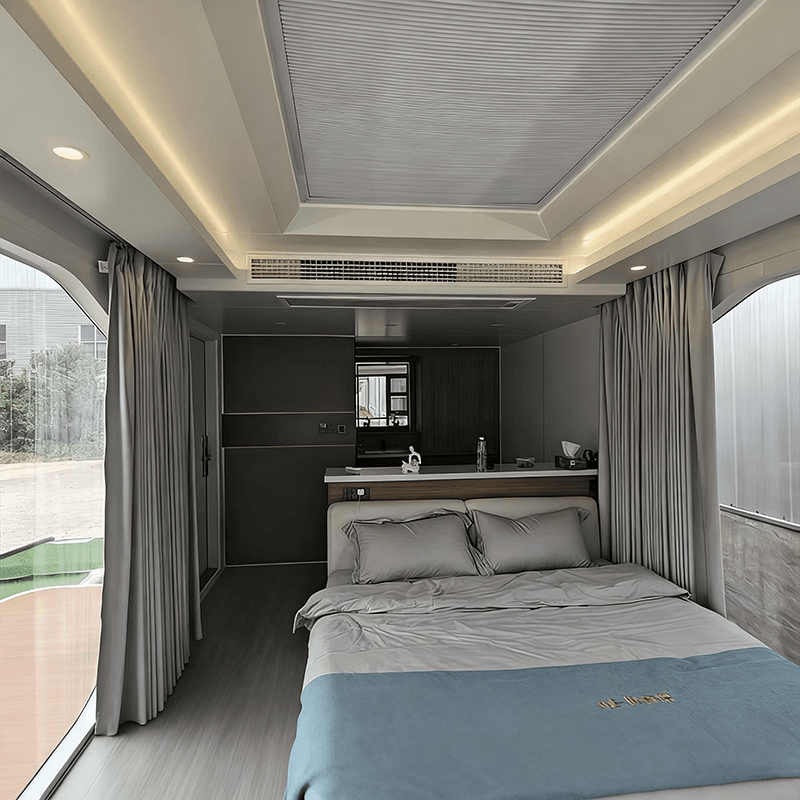
I. General Characteristics of Second-Hand Container Houses
Second-hand container houses are typically modified from standard shipping containers (such as 20-foot and 40-foot containers). Made mostly of weathering steel (Corten steel), they possess characteristics of high structural strength, waterproofing, rust resistance, and strong mobility. During modification, internal space can be adjusted through cutting, welding, and reinforcement. Common types include single-story residences, office spaces, and temporary shops. Core parameters such as dimensions (length, width, and height) and load-bearing capacity (approximately 20-30 tons per container) directly affect the feasibility of modification. For example, a 40-foot container has an internal clear height of about 2.4 meters. To build a two-story structure, it is necessary to install steel stairs and floor slabs inside or stack containers externally.
II. Methods for Implementing Two-Story Container Houses
- Internal Modification: Build a second-floor slab inside a single container using lightweight materials (such as steel structures or composite panels). Ensure that the floor slab has sufficient load-bearing capacity (usually ≥150kg/㎡) and that the stairs are safe. This method is suitable for utilizing small spaces but may sacrifice some floor height (the clear height of the second floor may be less than 2 meters).
- External Stacking: Vertically stack two containers and connect them through welding or bolts to form a two-story structure. Focus on reinforcing the load-bearing columns of the bottom container (such as adding H-shaped steel supports) and ensure overall stability (requiring wind and earthquake resistance calculations). This method provides more spacious interiors but requires professional engineering teams and incurs higher costs.
III. Considerations for Second-Hand Two-Story Container Houses
- Structural Safety: Second-hand containers may have issues such as rust and deformation. Before modification, conduct a comprehensive inspection of the container's strength, especially at key parts such as welds and corner fittings.
- Compliance: Ensure compliance with local building codes (such as fire safety, floor height, and escape route requirements). Some regions may restrict the number of stories or uses of container houses.
- Cost and Maintenance: Two-story structures require additional investment in stairs, reinforcement materials, etc. Long-term use necessitates regular inspections for rust and leaks, resulting in higher maintenance costs than single-story structures.
For specific plans, it is recommended to contact professional container modification companies and provide usage scenarios, budgets, and other requirements for customized designs.



