
Second-hand Container House Transformation
The transformation of second-hand container houses requires comprehensive consideration of factors such as design, renovation techniques, supplier services, and compliance. Here is a detailed analysis:
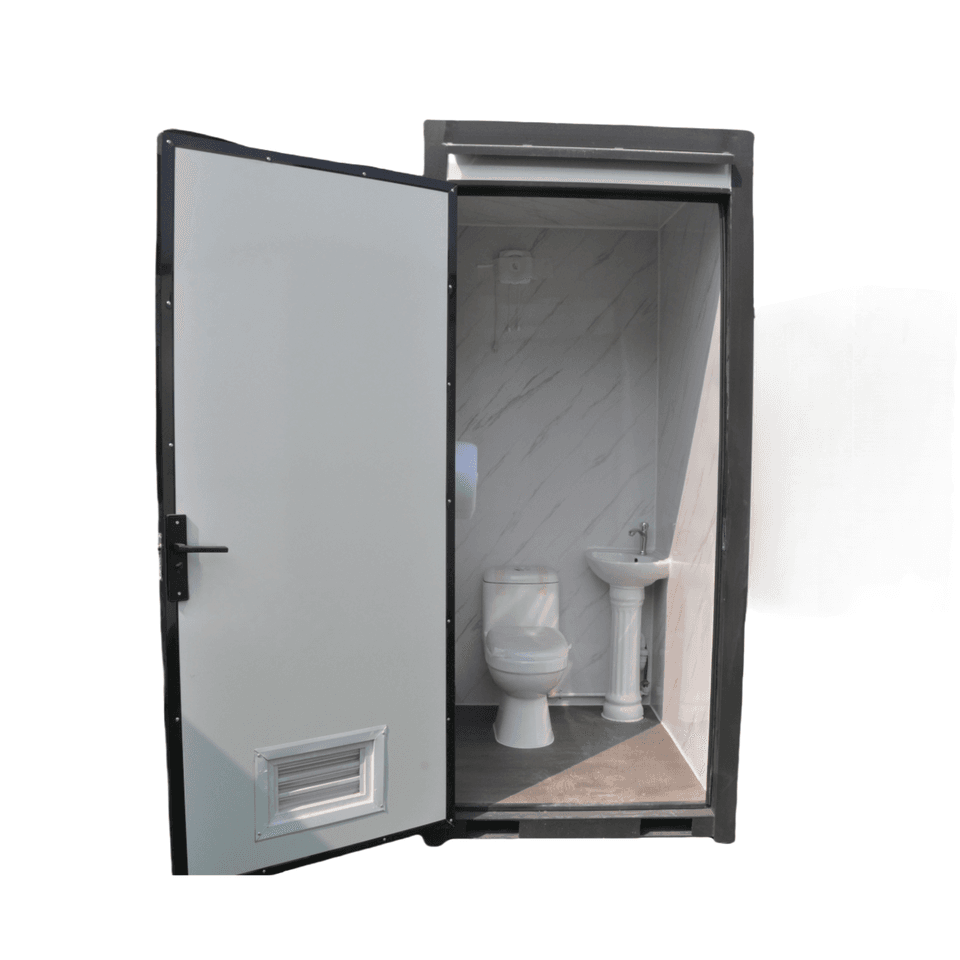
I. Design Planning and Space Utilization
The space design of container house renovations should be based on functional requirements. For example, a 20-foot double-wing expandable container can provide an indoor area of up to 36㎡ when expanded, and space can be extended through splicing or staggered stacking to form functional areas such as living rooms, bedrooms, and bathrooms. For small units, it is recommended to use multi-functional furniture such as folding beds and integrated cabinets to improve space utilization. Staggered floor design can improve ventilation and lighting, with a leisure courtyard or corridor area reserved on the ground floor to enhance living comfort.
II. Renovation Techniques and Material Selection
Renovation requires rust removal, waterproofing, and thermal insulation treatments for the container, as well as the installation of doors, windows, and electrical circuits. The interior decoration should include functional modules such as thermal insulation layers, floors, and bathrooms, with some suppliers offering supporting facilities such as energy-saving lighting and distribution boxes. Material selection should focus on durability, such as using galvanized steel with high corrosion resistance, which can have a service life of over 20 years. The depth of renovation should be adjusted according to the condition of the container, repairing rusted and deformed parts to ensure structural safety.
III. Supplier Services and Supporting Facilities
When selecting a supplier, attention should be paid to the completeness of its service chain, including container screening, waterproofing and anti-corrosion treatment, interior decoration, transportation, and installation. Companies such as Xiamen Wangshida Portable House Co., Ltd. provide full-process services from cleaning and weld repair to delivery and installation, and support standardized or customized solutions. Whether the supplier can provide basic construction services such as unloading, positioning, and splicing directly affects the efficiency of project implementation.
IV. Compliance and Approval Requirements
Some project locations have approval requirements for temporary buildings, and it is necessary to confirm whether the supplier can provide relevant certificates to ensure that the renovated house complies with local regulations. For example, the structural strength should follow the original container design standards and be suitable for multiple liftings and long-distance transportation to meet compliance requirements.
V. Cost and Budget Control
The prices of second-hand containers vary greatly depending on size, condition, and functionality. A 20-foot container costs approximately 6800-8000 yuan, while a 40-foot container costs approximately 6999-14455 yuan. Renovation costs should be comprehensively evaluated based on the complexity of interior decoration and the configuration of supporting facilities. For long-term use, it is recommended to choose containers in good condition and with complete structures to reduce later maintenance costs.



