
Second-hand Container House Dormitory
When building and purchasing second-hand container house dormitories, it is essential to focus on quality standards, inspection methods, type selection, renovation points, and price experience.
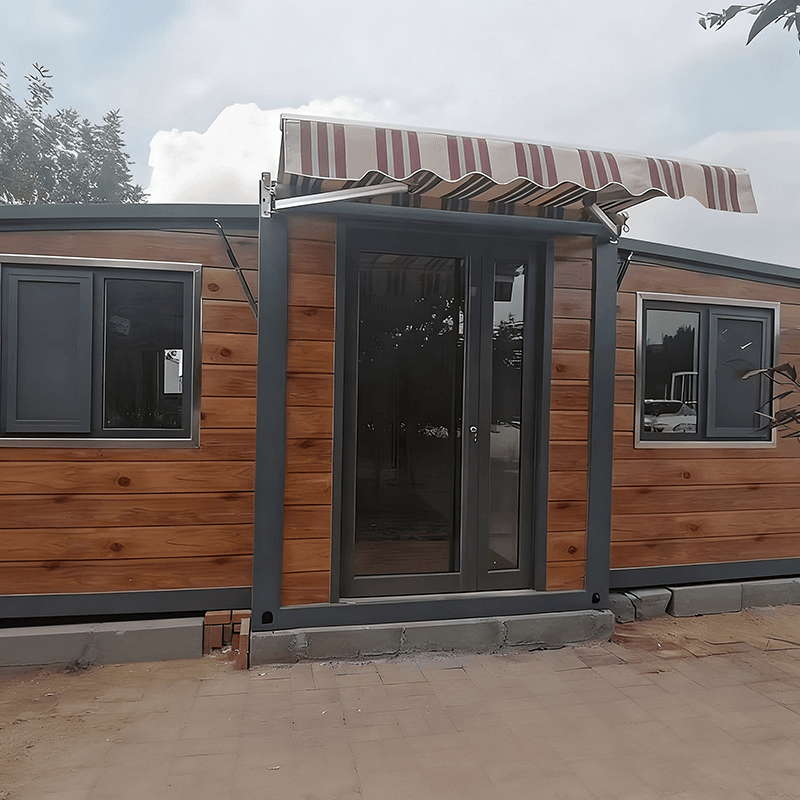
Quality Standards: When purchasing second-hand containers, the IICL (International Institute of Container Lessors) standards should be used as a benchmark. Containers that meet these standards have no permanent deformation in their main structure, no significant rust perforations on the roof and side panels, and intact door seals and floors. Such containers can significantly reduce the risk of secondary rework and structural reinforcement, ensuring the long-term safety and stability of the dormitory.
Inspection Methods:
- External Inspection: Walk around the container to observe if there are any weld bead accumulations, depressed patches, or rust pits on the roof and side panels. Use a flashlight to shine from inside the container to the outside to check for any light leakage, which may indicate hidden damage to the container body.
- Seals and Floor: After closing the container door, ensure that the door seals are intact and not aged or broken to prevent rainwater leakage. Check if the wooden floor inside the container is dry and free from mold, insect infestation, or localized softening (a sign of rust penetration at the bottom).
- Structural Components Verification: Focus on checking the structural integrity of corner fittings, bottom cross members, and door lock rods. Observe for any abnormal welding repair marks, which may indicate that the container has suffered severe damage.
Type Selection: Choose the container type based on the actual usage and site conditions. Fixed containers have a stable structure and are suitable for long-term fixed use; bulk containers offer high space utilization but require consideration of site flatness and transportation convenience.
Renovation Points: When renovating into a dormitory, the following steps need to be completed: Remove the original wooden boards and lay new ones, weld window frames and cut grooves on the side panels of the container to install windows, lay drainage systems and septic tank pipes, bury large plastic containers for water storage or sewage disposal, secure the main door and the rear part of the container, renovate the card door position and install sliding doors, lay electrical circuits and reinforce with glue, apply insulation film to improve thermal insulation performance, add wooden boards and paint the walls, lay cement mortar, fix tiles, and install a bathroom heater in the toilet area, lay three-dimensional wall and floor coverings, install seals and smart integrated toilets, separate functional areas with glass, install a water heater outside the container, and build a sink.
Price and Experience: The prices of second-hand container houses vary significantly. For example, a container house purchased for 4000 yuan may have issues with being cold in winter and hot in summer, mainly due to the strong thermal conductivity of the metal container body and the lack of insulation layers. During renovation, it is essential to focus on strengthening thermal insulation (such as applying insulation film or adding insulation boards) to improve living comfort.



