
Cost-Effective Mobile Toilets for Scenic Areas
Choosing cost-effective mobile toilets for scenic areas requires a comprehensive consideration of technology types, environmental adaptability, and long-term operational and maintenance costs. Here are specific recommendations:
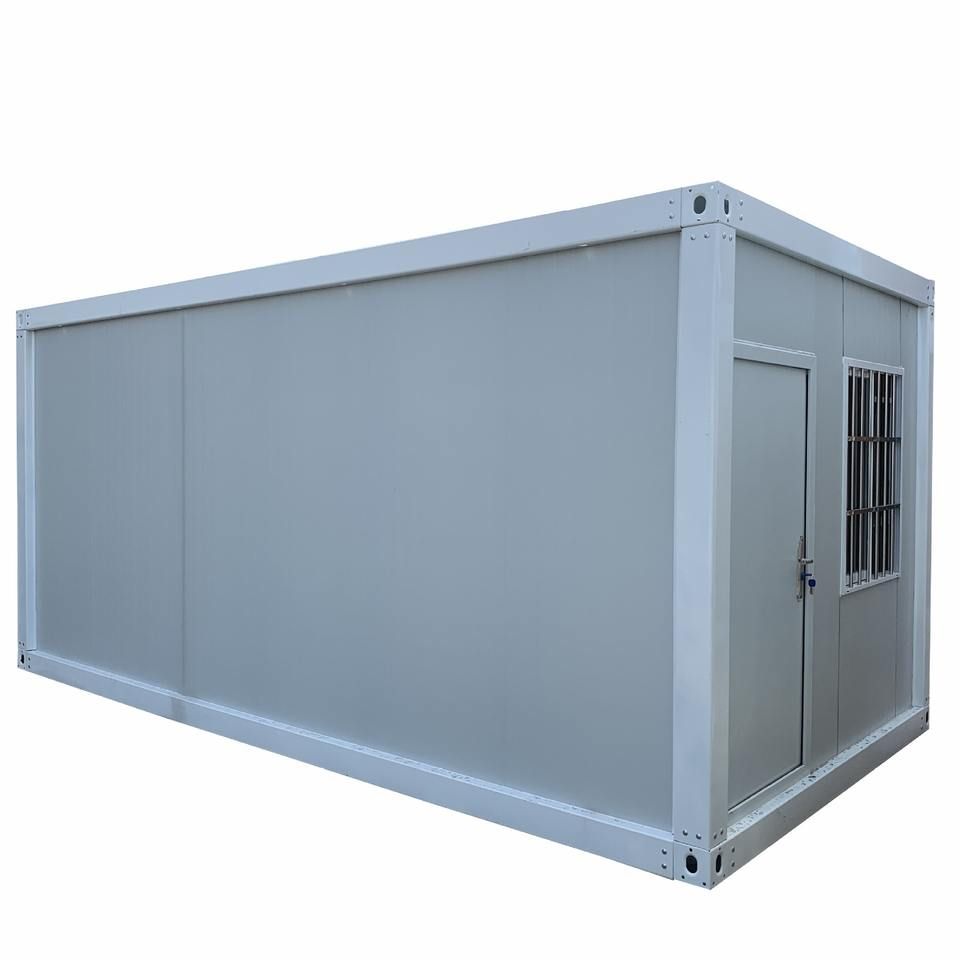
1. Waterless Biodegradation Technology: Core Advantages of Water Conservation and Low Operational Costs Products represented by Zhongyunhui utilize microbial degradation technology to achieve 'waterless flushing, odorlessness, and pollution-free' by decomposing fecal waste. They save over 3,000 tons of water annually and reduce operational and maintenance costs by approximately 40%. This technology is suitable for water-scarce scenic areas or ecologically sensitive zones. Real-world testing data from locations such as the Sichuan Panda Base and Huanglongxi show that these toilets do not require connection to municipal sewage networks, and fecal waste can be converted into organic fertilizer, further reducing long-term operational burdens. The core value lies in ecological cycling and resource conservation, making them particularly suitable for scenic areas pursuing sustainable development.
2. Customized Steel Structure Products: Balancing Durability and Economy Dezhou Hongtu Metal Products Co., Ltd. offers galvanized steel frame mobile toilets with exterior walls made of galvanized metal embossed panels, featuring corrosion and moisture resistance, and a service life of over 10 years. Their colors can be customized to blend with different scenic area styles, offering both aesthetics and practicality. These products are suitable for scenic areas requiring long-term deployment with limited budgets. Although the initial investment is higher than that of simple toilets, the cost-effectiveness significantly improves when amortized over long-term operational and maintenance costs.
3. Foam Sealing Technology: A Low-Cost Solution for Short-Term Events By covering fecal waste surfaces with foaming agents to reduce odors and flushing water volume, this technology has low initial construction costs but requires regular addition of foaming agents, leading to higher long-term operational and maintenance costs. It is suitable for short-term event scenarios such as music festivals and exhibitions, allowing for rapid deployment without complex sewage networks. However, long-term use requires weighing the costs of consumables.
4. Core Selection Dimensions: Environmental Adaptability and Intelligent Management
- Environmental Adaptability: Scenic areas in cold or high-altitude regions require freeze-resistant and UV-resistant products, such as those verified to operate stably between -20°C and 40°C, to avoid equipment damage due to extreme weather.
- Intelligent Management: Toilets equipped with remote monitoring and data analysis functions can monitor usage frequency and consumable levels in real-time, reducing manual inspection costs and improving management efficiency.
- Ecological Cycling Value: Prioritize products with strong fecal waste resource utilization capabilities, such as conversion into organic fertilizer or biogas, which can reduce disposal costs and generate additional revenue.
Limitations of Traditional Water-Flushing Toilets: They rely on municipal sewage networks and large amounts of water, offering lower cost-effectiveness in water-scarce or remote scenic areas. Additionally, sewage discharge may harm the ecosystem, so caution is advised in their selection.



