
Mobile Toilets for Scenic Areas
Mobile toilets used in scenic areas come in various styles, structures, mobility methods, and sewage treatment approaches, and their design adheres to certain principles.
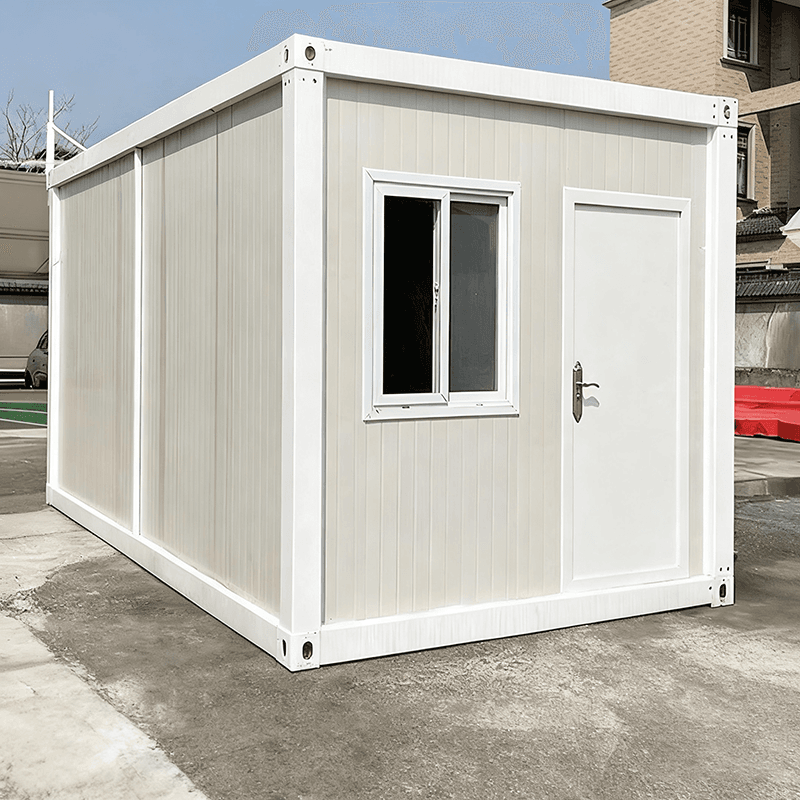
Styles: There are mobile toilets with a four-squat-position Apple Pod design, where the sink is placed outside for easy hand washing without entering the toilet, and four unisex squat positions inside, offering high usage frequency. There is also a luxurious version measuring 10 meters long and 3 meters wide, featuring a seven-shaped design with thermal insulation materials on the exterior walls and a marble countertop in the middle. Additionally, there is a four-squat-position mobile toilet measuring 4 meters long and 2.3 meters wide, with a pointed roof design and thermal insulation metal carved panels on the exterior walls. The men's toilet is equipped with two squat positions, a urinal, and a pedestal sink, priced at less than 20,000 yuan.
Structural Forms: Mobile toilets can be divided into single-unit and composite-structure types. Single-unit structures are relatively independent with concentrated functions, while composite structures may be composed of multiple parts, offering advantages in functionality or space utilization.
Mobility Methods: There are lifting and carrying mobile toilets, which rely on lifting equipment or manual handling for relocation. There are also powered and towed mobile toilets, which use power devices or vehicles for towing, making movement more convenient and efficient.
Sewage Treatment Methods: These include water-flush and waterless suction-type mobile toilets. The former uses water for flushing, while the latter treats fecal sewage through suction. Recirculating water-flush mobile toilets can recycle flushing water to conserve water resources. Dry-packing mobile toilets package feces for treatment without the need for water flushing.
Design Principles: The design of mobile toilets follows principles of mobility, convenience, and economic durability, ensuring easy transportation and installation while having a long service life. They are eco-friendly and beneficial to the environment, reducing pollution and damage. They also aim to improve efficiency and promote humanitarian values, meeting people's usage needs and enhancing the user experience.



