
Russia Container House Construction
Container house construction in Russia uses standardized containers as carriers, which are transformed into prefabricated residential buildings through processes such as cutting, reinforcement, insulation, and decoration. It offers advantages such as low cost, short construction period, unique style, environmental protection, and flexibility, with market demand surging due to rising local building material prices and lenient policies.
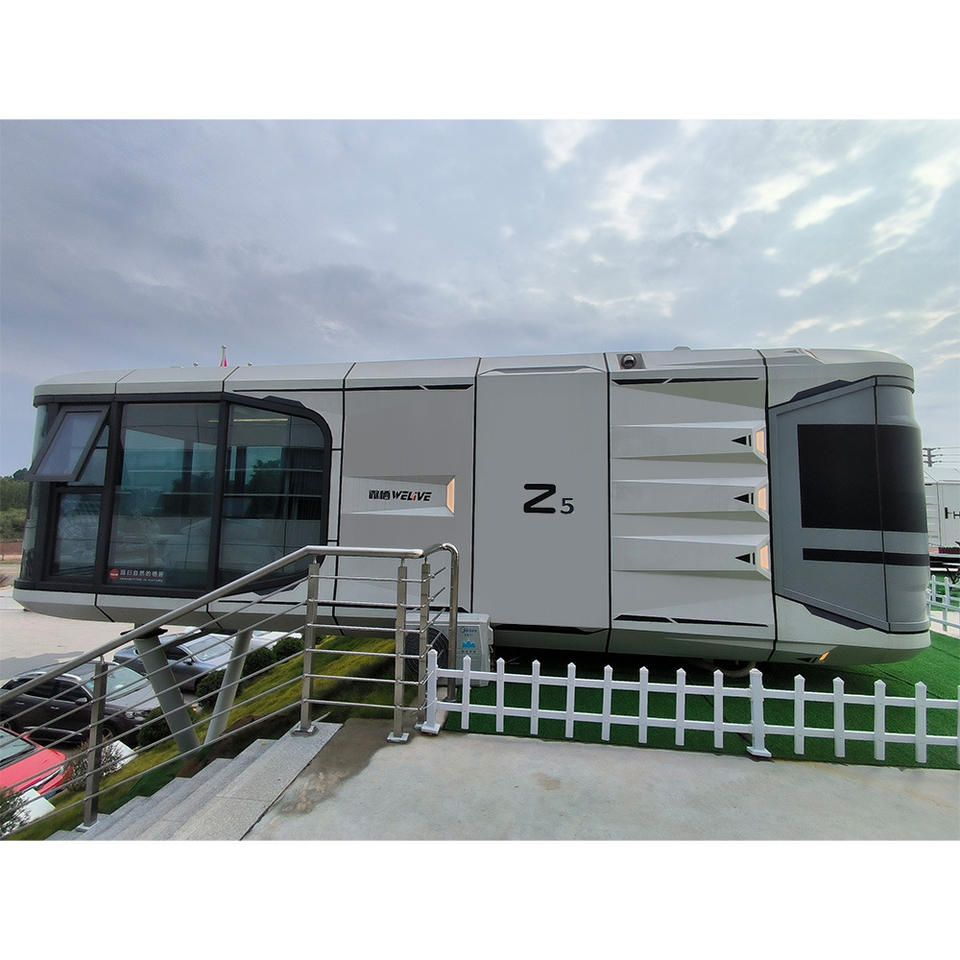
Core Construction Processes and Characteristics
Container house construction takes standardized containers (commonly 20-foot and 40-foot sizes) as the core carriers. It involves anti-corrosion treatment (rust removal and application of special paint), cutting to create windows and doors, adding insulation layers (rock wool or extruded polystyrene boards), and equipping with bathroom fixtures and furniture to achieve a combination of industrial appearance and comfortable living. For larger spaces, multiple containers can be joined, stacked, or combined horizontally to create duplex or loft-style units. The style is predominantly industrial, with metal-textured exteriors paired with elements like graffiti and green plants, easily forming popular photo spots and meeting the needs of young travelers for personalized accommodation.
Market Demand and Policy Advantages
The soaring prices of local building materials in Russia (such as a nearly 100% increase in brick prices) and rising construction costs have driven a surge in demand for container houses. Data shows that the demand for container residential buildings in Russia has increased by 60% in the past two years, gradually replacing traditional brick and frame houses. In terms of policy, container buildings are classified as non-permanent structures, eliminating the need for complex approval procedures and significantly reducing implementation costs. The price of a basic container is about 140,000 rubles, while a fully furnished finished product costs only 900,000 to 1.5 million rubles, offering significant cost-effectiveness.
Typical Cases and Technical Applications
- Priozersky Container Villa: Using two 40-foot containers, it was prefabricated in a factory and assembled on-site, with a cost of about $33,500 (approximately 230,000 yuan). The top was raised and an open terrace was built to enhance comfort.
- Himik Apartment Hotel: Made from 21 20-foot containers, it features one-story and two-story units equipped with facilities for long-term stays. It was completed in Togliatti in 2019.
- MEKAWORLD Company: Using light steel structure technology, a 20-square-meter house made by joining two 20-foot containers can be assembled in 7 days, priced at $39,000.



