
Rural Temporary Container House
When using container houses as temporary rural housing, it is crucial to pay close attention to safety and compliance. Illegal modifications or uses may lead to safety hazards and legal risks.
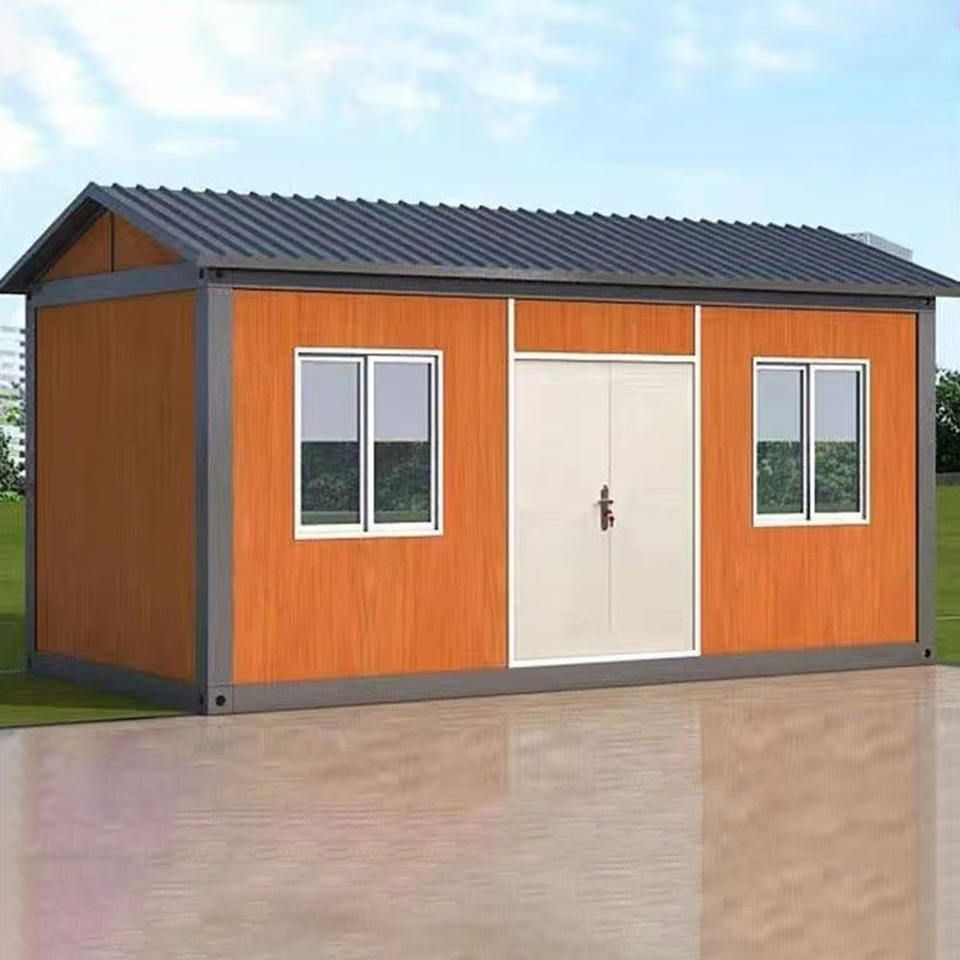
I. Safety Issues
Material Hazards
Illegally modified containers often use flammable sandwich panels (such as polystyrene and polyurethane foam), which have low fire resistance ratings. They can quickly spread fire and produce toxic smoke when exposed to flames. For example, the 2015 fire at an elderly care home in Pingdingshan, Henan, and the 2022 fire at a construction site dormitory in Zhenjiang New District were both caused by similar materials, resulting in severe consequences.Electrical and Fire Risks
The prevalence of practices such as unauthorized electrical wiring, the mixed use of high-power appliances, and the indoor use of bottled gas poses significant risks of electric shock and fire. Additionally, the dense stacking of containers or the occupation of fire lanes can hinder rescue efforts and exacerbate the spread of fire.Structural and Habitation Risks
The floors of unreinforced containers lack sufficient stiffness and are prone to collapse under stacked loads. The cold bridge effect of metal container walls leads to poor thermal insulation performance, requiring additional heating in winter. Illegal occupation of collective land or roads may also trigger neighborhood disputes.
II. Compliance Issues
Illegal Construction Determination
Whether a container constitutes illegal construction depends on local policies. If the ground is not hardened, there is no access to water and electricity, and the container is only used for temporary storage of agricultural supplies, it is generally not considered illegal construction. However, if a foundation is poured, water and electricity are connected for long-term residence, or the container is repurposed for commercial use (such as a homestay), it may be demolished for "substantially altering land use."Land Use Restrictions
The placement of containers is strictly prohibited in sensitive areas such as basic farmland and ecological protection zones. Agricultural land requires temporary building registration, while commercial land requires land use approval, planning registration, and fire safety permits.
III. Improvement Recommendations
Material and Structural Optimization
Use Class A fire-resistant materials such as rock wool panels and fireproof cotton, reinforce the load-bearing capacity with C-shaped steel purlins, and improve thermal insulation performance with broken bridge lining structures to reduce risks at the source.Standardized Use and Management
Maintain safe distances between containers, equip them with fire extinguishing equipment, and avoid open flame operations. Regularly inspect electrical wiring to prevent aging or short circuits. Do not harden the ground or connect permanent water and electricity supplies to ensure temporariness.Policy Consultation and Registration
Before use, consult local planning and fire departments to clarify the purpose and duration of use. Follow the procedures to complete registration or approval to avoid legal disputes.



