
Rural Container Houses
Rural container houses are characterized by flexibility, portability, controllable costs, and environmental friendliness with recyclability. However, attention should be paid to structural stability, thermal insulation performance, and compliance. Here is a detailed analysis:
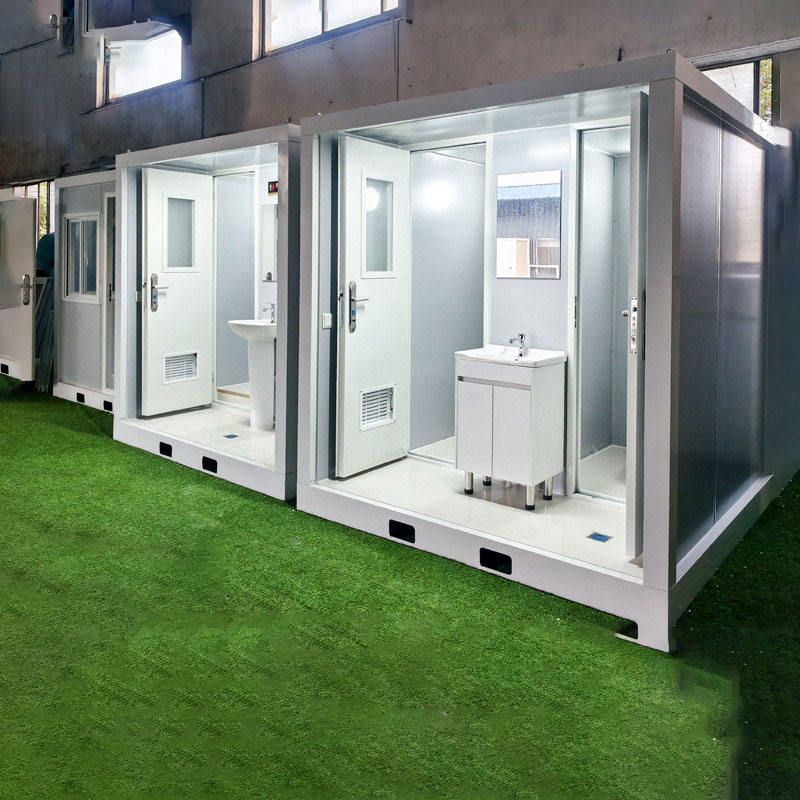
Structural Stability and Safety
Container houses are centered around steel structural frames and need to comply with building seismic design codes (such as GB50011-2010). Fully steel structural frames offer the best wind and earthquake resistance. For example, the products of Suzhou Zhongnan Steel Structure Co., Ltd. have a frame deformation of only 2mm under 12-level strong winds, far below the national standard limit of 10mm. Semi-welded and semi-bolted connection structures (such as those of CIMC Modular Building Investment Co., Ltd.) may have loose bolts after long-term use and require regular maintenance. Non-standard white-label products may use thin steel plates or inferior steel, with a wind resistance of only up to level 8, posing safety hazards. Such products should be avoided.
Thermal Insulation and Living Comfort
Metal box walls are prone to forming cold and hot bridge effects and need to be improved through a multi-layer protective system. The broken-bridge lining structure (filling rigid polyurethane foam between the steel frame and the inner wall panel and adding rubber thermal insulation pads) can reduce the heat exchange efficiency by about 40%, making the indoor temperature in winter 8-10℃ higher than the outside and reducing heating energy consumption. Exterior wall reflective coatings and ventilation designs can alleviate high temperatures in summer, and some products maintain a comfortable temperature through auxiliary heating or cooling equipment.
Environmental Protection and Recyclability
Container houses consume about 1.2 tons of steel per standard container, with carbon emissions only 1/2.3 of those of concrete temporary houses. The disassembly and assembly loss rate during overall hoisting and relocation is controlled within 5%, far lower than the loss of traditional prefabricated houses, which require the replacement of a large number of panels for each disassembly and construction. Some products integrate a self-circulating sewage disposal system, which treats gray water (washing water) and black water (toilet sewage) through a sewage collection tank and a gravity separator. The gray water can be used for vegetation irrigation after sedimentation and filtration, and the black water is converted into liquid fertilizer through anaerobic fermentation, reducing water waste.
Cost and Purchasing Recommendations
The prices of rural container houses vary depending on the materials and configurations. Standardized products have a wide price range, and choices should be made according to the budget. When purchasing, manufacturers should be required to provide structural calculation reports, material test reports, and compliance certificates. Priority should be given to products that have passed third-party practical tests (such as wind resistance and weld strength).



