
Advantages and Disadvantages of Refrigerated Container Houses
The advantages of refrigerated container houses include convenient transportation, sturdy structure, flexibility, environmental protection and cost-effectiveness, fast construction, and low costs; the disadvantages include differences in thermal and sound insulation performance, fire prevention and rust prevention challenges, space limitations, and high decoration difficulty.
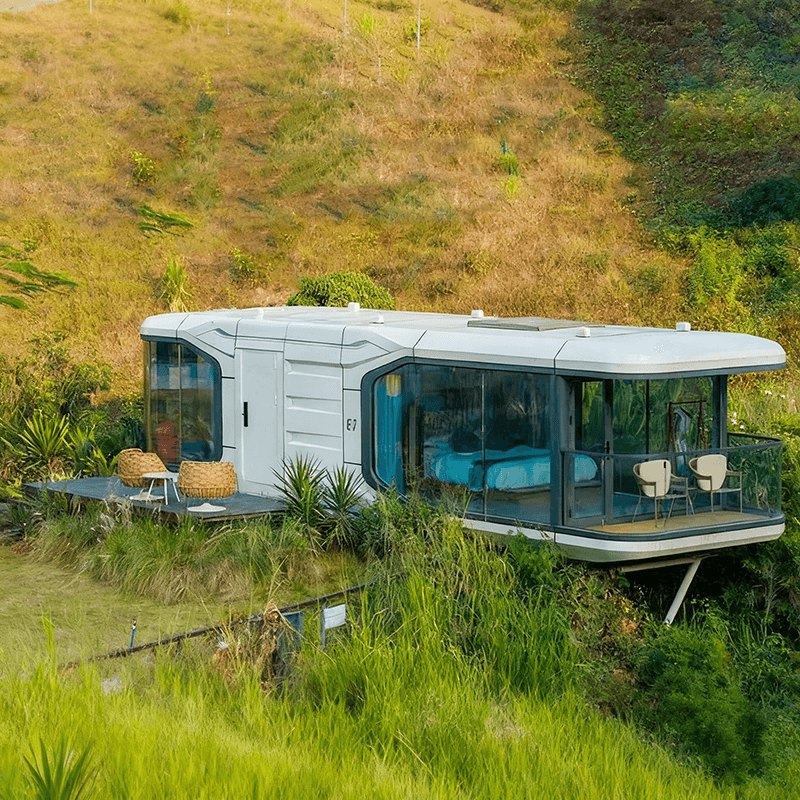
Advantages:
Convenient transportation: Refrigerated container houses are designed based on standard containers, facilitating long-distance transportation and on-site hoisting. They are particularly suitable for scenarios requiring frequent relocation or temporary use, such as construction site dormitories and post-disaster resettlement.
Sturdy structure: Made of high-strength steel, they have strong earthquake and deformation resistance, strict sealing processes, excellent waterproof and moisture-proof performance, and a service life of over 20 years, with some high-quality products even exceeding 30 years.
Flexibility: Their modular design supports free combination, allowing them to be spliced into different functional spaces (such as offices, bedrooms, and kitchens) according to needs, adapting to diverse scenarios.
Environmental protection and cost-effectiveness: The materials are recyclable, reducing construction waste; the overall cost is lower than that of traditional brick-and-mortar structures, and no complex foundation is required, further reducing costs.
Fast construction: Standardized production processes shorten the construction period. Single-container decoration can be completed within 1-2 weeks, and multi-container combination projects can save more than 50% of the time.
Disadvantages:
Differences in thermal and sound insulation performance: Low-end products have poor thermal insulation due to insufficient material usage, and it is necessary to choose products from reliable manufacturers; metal materials transmit sound significantly, requiring additional sound insulation treatment.
Fire prevention and rust prevention challenges: The strength of steel significantly decreases at high temperatures (about 600°C), requiring professional fireproof cladding; long-term exposure to humid environments can lead to rust, requiring regular anti-corrosion maintenance.
Space limitations: A single container has a relatively small area, and the waterproofing of the splicing joints requires frequent maintenance. Additionally, the overall structure imposes certain limitations on the internal layout.
High decoration difficulty: The decoration cost of all-steel structures is higher than that of ordinary houses, and materials such as oil-based paints may be harmful to the human body, requiring attention to environmental protection issues.



