
Quay lại blog
Bài viết
Qixian Mobile Toilet Installation
Quản trị 21 tháng 9, 2026
The installation of mobile toilets in Qixian should follow the following procedures and standards to ensure safe and efficient construction completion:
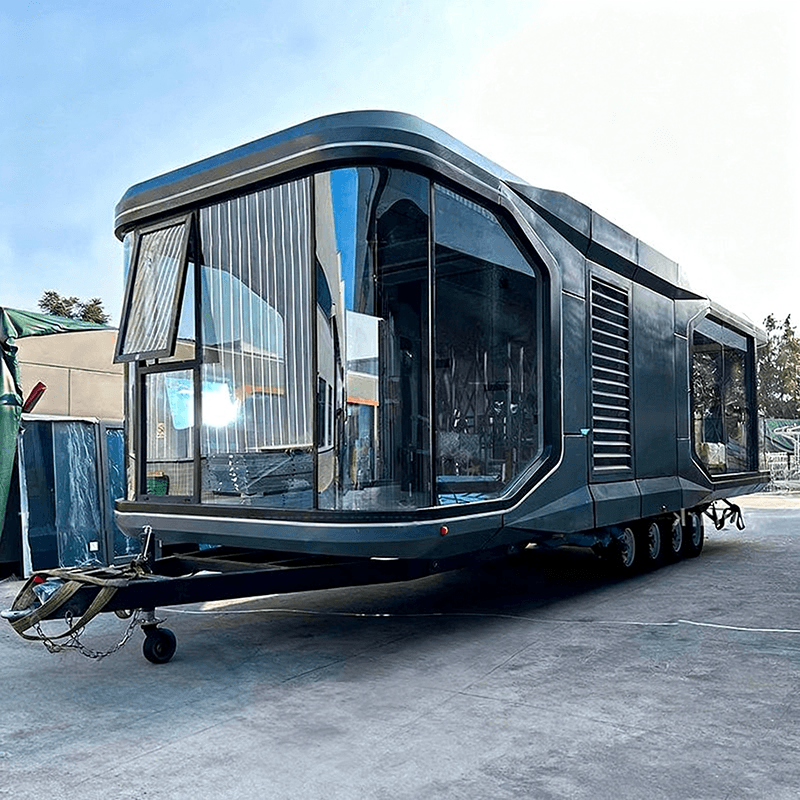
I. Pre-installation Preparations
- Site Survey and Planning: Confirm the installation location in advance, avoiding low-lying areas prone to water accumulation, high-voltage power lines, and obstacle-filled zones. When measuring the site dimensions, ensure that the width of the toilet access passage is ≥1.2 meters and reserve operational space. For split-type or trailer-mounted toilets, additional planning for equipment disassembly and assembly areas is required.
- Material Inventory and Inspection: Verify the quantity, model, and accessories (such as sinks, flushing devices, sewage pipes, etc.) of the mobile toilets. Focus on checking that the equipment has no external damage and that internal facilities (such as water tanks and toilets) function properly. For integrated box-type toilets, confirm the sealing of module interfaces.
- Tool and Personnel Preparation: Equip with basic tools such as wrenches, screwdrivers, and spirit levels, and have 2-3 professional installers work collaboratively. If the toilet weighs more than 2 tons or the installation height exceeds 3 meters, coordinate with lifting equipment such as cranes for assisted handling, and ensure that operators hold relevant qualifications.
II. On-site Installation Implementation Steps
- Foundation Fixing Operations: After hoisting the toilet body to the designated position, use a spirit level to adjust the equipment's stability, with a deviation of ≤3mm. Fix the equipment using expansion bolts (suitable for concrete floors) or counterweights (suitable for soft soil floors). In areas with wind speeds ≥5, add windbreak cables.
- Water and Electricity Connection and Debugging: Ensure that the slope of the sewage pipe connection is ≥2% to prevent backflow of sewage. It is recommended to use a water pipe with a diameter ≥DN20 for the water source. When testing the flushing function, press the button three times consecutively to confirm smooth drainage without blockages. For solar-powered toilets, check the installation angle of the photovoltaic panels and the battery energy storage status.
- Detail Inspection and Cleaning: After installing accessories such as door curtains and anti-slip mats, test the flexibility of the door lock and flushing button. Thoroughly clean and disinfect the interior, place consumables such as air fresheners and toilet paper, and post usage instructions.
III. Post-installation Acceptance and Delivery
- Function Testing Checklist: Conduct a load-bearing test (evenly step on the top of the equipment to check structural stability) and a sealing test (close doors and windows and spray smoke to confirm no leakage). Fill out the Equipment Installation Acceptance Form, indicating the installation date, warranty period, and emergency repair contact information.
- User Training: Demonstrate operations such as flushing and sewage pipe cleaning to customers, emphasize the prohibition of smoking or using open-flame equipment inside the toilet, and explain the regular maintenance cycle (such as checking for sewage pipe blockages every 3 months).
IV. Precautions and Safety Standards
- Installation Safety Requirements: For high-altitude operations (such as roof equipment installation), wear safety harnesses. Construction is prohibited in rainy weather or when wind speeds are ≥5. Do not store flammable or explosive items inside the toilet, and clear surrounding flammable materials before welding operations.
- Construction Site Management: Set up warning signs and barriers to prevent unauthorized personnel from entering. Equip with emergency lighting for night construction and paste reflective strips on the edges of equipment. When installing modular toilets, mark the connection sequence of each module to prevent incorrect installation leading to water leakage.



