
Qianjiang Container House Construction
Qianjiang container house construction features rapid assembly, convenient mobility, low cost, and diverse functions, widely applied in construction site dormitories, temporary buildings, and social living building sectors.
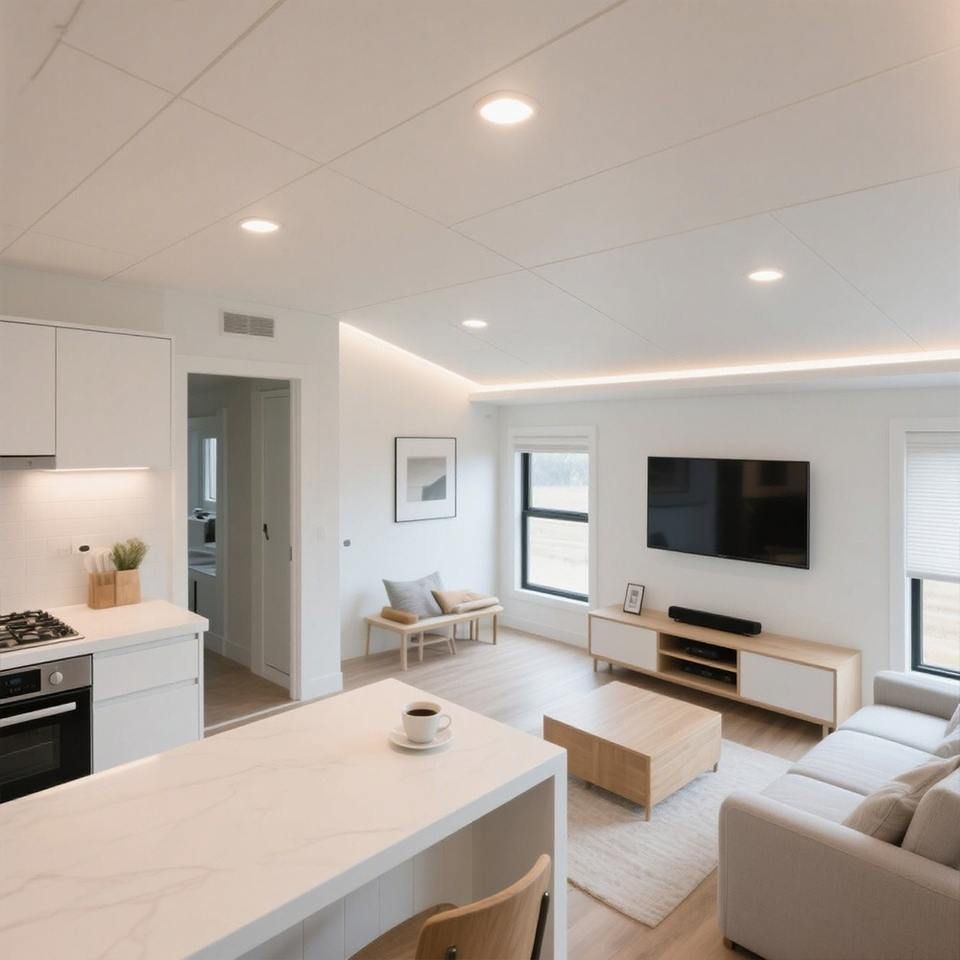
I. Core Advantages of Container Houses
High Construction Efficiency
Residential container houses in Qianjiang adopt a modular design, eliminating the need for complex foundation treatment and enabling rapid assembly. For instance, construction site dormitory containers can meet the temporary accommodation needs of workers, shortening the construction cycle and adapting to the characteristics of long construction periods.Functionality and Safety
Container houses are equipped with sound insulation, wind resistance, fire resistance, earthquake resistance, and other functions. The materials are corrosion-resistant and have a long service life. The exterior walls can be painted to achieve a variety of colors and shapes, balancing practicality and aesthetics.Economy and Flexibility
Their cost is lower than that of traditional buildings, and they are highly mobile, occupying less space. They can be flexibly adjusted in position or repurposed according to needs (e.g., from construction site dormitories to container offices or villas).
II. Typical Application Scenarios
Temporary Facilities at Construction Sites
Container houses are widely used in construction sites in the Qianjiang area as worker dormitories, offices, and storage spaces. For example, in the container capacity expansion and renovation project at Qianjiang Station on the Yu-Huai Railway, the supporting building construction may involve the erection of container-type temporary facilities.Social Living Buildings
Packaged container houses have a sturdy structure and can meet various architectural function requirements, such as container house villas and commercial exhibition halls. Their structural integrity enables them to adapt to the structural requirements of different scenarios.
III. Construction Key Points and Specifications
Site Selection and Foundation Treatment
Although complex foundations are not required, the ground must still be level to avoid structural deformation due to foundation settlement. In special areas such as along railway lines (e.g., the Qianjiang Station project on the Yu-Huai Railway), compliance with railway land use planning and environmental protection requirements is necessary.Environmental Protection and Compliance
Construction must comply with local environmental protection standards. For example, in the Qianjiang Station project on the Yu-Huai Railway, environmental protection investment accounts for 3% of the total project investment, emphasizing the improvement of supporting facilities such as drainage and fire protection. Container house construction must also focus on waste disposal and resource recycling.Multimodal Transport and Logistics Support
As a regional transportation hub, Qianjiang has well-developed railway and road logistics, providing convenient conditions for the transportation and modular construction of container houses and reducing logistics costs for cross-regional construction.



