
Quay lại blog
Bài viết
Purchase Mobile Toilet Plan
Quản trị 20 tháng 9, 2026
The plan for purchasing mobile toilets should be comprehensively designed by considering the budget, scenario requirements, and policy requirements. Here are the specific plan ideas:
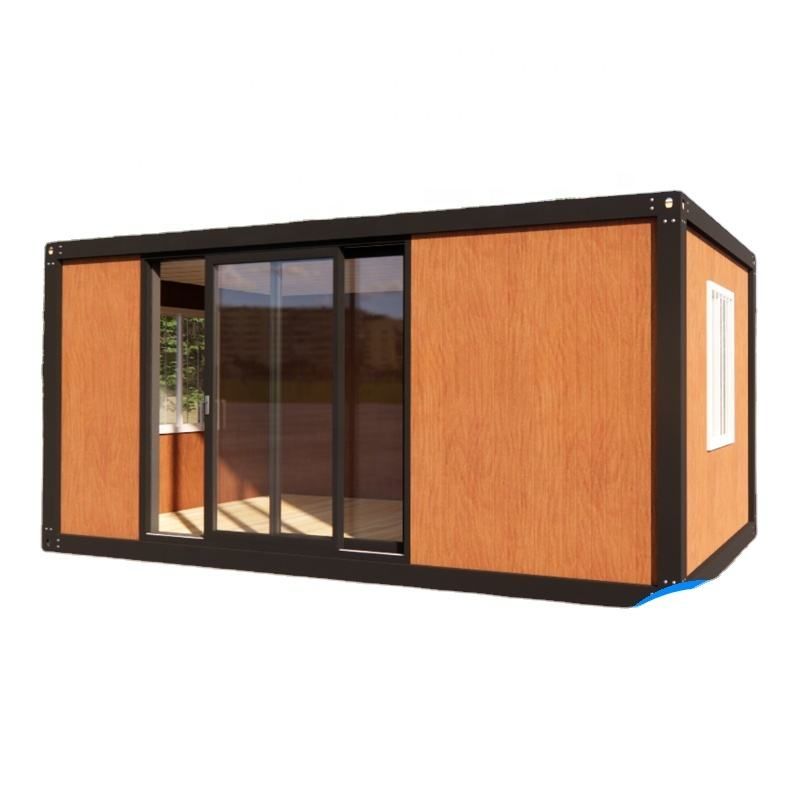
I. Clarify the Budget and Procurement Scale Select the procurement mode based on the capital scale:
- Small-scale projects (such as exhibition guarantees): Refer to the plan of the Kunming Urban Management Bureau, with a budget of 150,000 yuan. The rental mode is adopted to meet short-term needs, focusing on ensuring the number of toilet stalls (no less than 50) and basic configurations (squatting pans, hand-washing sinks, toilet paper, etc.). The funds are disbursed from special funds.
- Large-scale projects (such as urban renewal): Refer to the plan of Shanghai, with a budget of 7 million yuan for purchasing or updating mobile toilets. It is necessary to clarify the procurement quantity (such as 1 updated and 12 newly added) and the performance period (completion of acceptance within 5 months). The funds come from the national treasury.
II. Select Technical Solutions Based on Scenarios Match technical modes according to the pain points of usage scenarios:
- Short-term activities/pop-up campsites: Adopt the standard modular workshop mode, using a unified steel structure framework to reduce costs. It is suitable for large camping bases or temporary events, but it is necessary to accept the limitation of a low degree of personalization.
- High-end cultural and tourism projects: Choose the bionic landscape integration cabin mode, which improves environmental integration through parametric design of curved roofs and wood-like facades. It is suitable for wild luxury campsites or cultural block renovations, but it is necessary to reserve a sampling period and bear the mold-opening costs.
- Ecologically sensitive areas: Apply the ecological circulation treatment unit mode, which has a built-in microbial fermentation chamber to achieve zero discharge of fecal waste, meeting the strict regulatory requirements of water source protection areas or areas without pipeline networks. However, it is necessary to regularly supplement microbial strains and bear the initial electromechanical investment.
III. Strictly Control Supplier Qualifications Suppliers need to meet the general requirements of government procurement and project-specific conditions:
- Basic qualifications: Business license, independent civil liability capacity, a sound financial system, tax payment records in accordance with the law, and a statement of no major illegal records.
- Credit requirements: Not listed on the dishonesty lists of "Credit China" and the China Government Procurement Network.
- Professional capabilities: Establish a service team familiar with mobile public toilet management (such as cleaning and fecal removal) or provide authorization certificates from branches (as required by the Shanghai project).
- Policy adaptation: Implement policies such as energy conservation, environmental protection, and support for small and medium-sized enterprises (such as the Shanghai project, which is specifically for procurement from small and micro enterprises).
IV. Optimize Service and Operation and Maintenance Guarantees
- Consumable supply: Ensure an adequate supply of daily necessities such as toilet paper and hand sanitizer. Refer to the Kunming plan, which requires an "uninterrupted supply during operating hours".
- Emergency maintenance: Establish a sewage pumping and fault response mechanism to avoid affecting the user experience due to delayed operation and maintenance.
- Confidentiality clauses: When involving government projects, a confidentiality agreement needs to be signed to prevent information leakage (as required by the Kunming plan).



