
Puppy Mobile Toilet Training
Training a puppy to defecate in a mobile toilet can be achieved through the following methods:
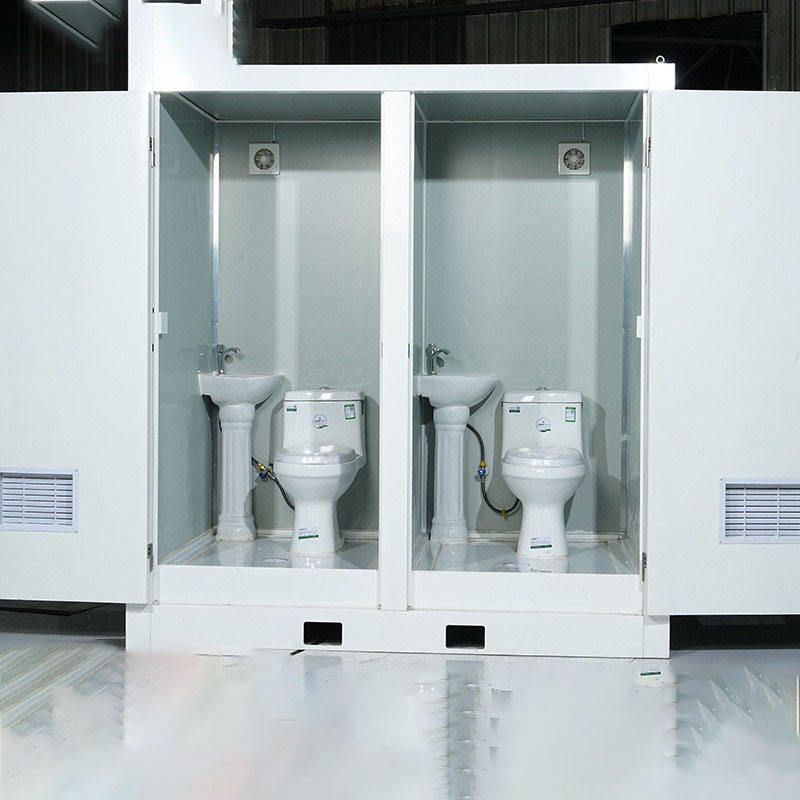
Using Scent to Guide
Dogs primarily rely on their sense of smell to locate areas for excretion. Ensure that the mobile toilet area has a distinct excretion scent. First, clean the target area with a mop, then wipe the corners with a cloth containing disinfectant and toilet water, and finally spray with a deodorizer to completely eliminate scent residues from other areas, leaving only the excretion scent in the mobile toilet. Induction pads are auxiliary tools with a mild, guiding scent. They can be placed in quiet, dimly lit fixed positions, with a larger initial area to reduce positioning difficulty. If the puppy excretes on the induction pad, keep some of the pads with urine to reinforce the habit through scent memory.
Regular Routine Training
Puppies have relatively fixed excretion times. Focus on four key moments: after waking up in the morning, 10-15 minutes after each meal, after vigorous play, and before turning off the lights at bedtime. At these fixed times, actively take the puppy to the mobile toilet or induction pad and wait quietly for it to excrete. Immediately offer verbal praise and a small treat as a reward upon completion to establish a conditioned reflex through positive reinforcement. Note that patience is essential in the early stages of training; avoid interrupting the wait if the puppy does not excrete.
Timely Guidance and Observation
Pay close attention to the puppy's body language, such as sniffing around, circling, or appearing restless, which are usually signs before excretion. Quickly guide it to the mobile toilet at these times and reward it promptly after excretion. If the puppy excretes in other areas, do not punish it; instead, clean the scene and spray with a deodorizer to prevent it from choosing that area again due to scent residues.
Choosing the Right Mobile Toilet
Prioritize selecting a toilet with a frame and a tray, where cat litter can be placed underneath to reduce odors and the frequency of changing pee pads. The size should be estimated based on the puppy's adult size to avoid excretion splashing due to a toilet that is too small. If the puppy grows quickly, consider buying a large-sized toilet directly to reduce replacement costs.
Placement Techniques and Adaptive Adjustments
Puppies are short in height, and a toilet with a tray may be too high. If cage-raising is used, place the mobile toilet at the cage entrance at night to shorten the excretion path and reduce nighttime urine retention pressure. As the puppy grows older, gradually increase the distance between the toilet and the cage. After the puppy learns to hold its urine (around 4-5 months old), the toilet near the cage can be removed.
Maintaining Cleanliness and Hygiene
Cat litter or pee pads should be changed promptly, and the mobile toilet should be cleaned regularly to prevent residual odors from causing the puppy to reject it. If the puppy excretes around the toilet due to its uncleanliness, thoroughly clean the area and conduct scent-guided training again.



