
Professional Assembly of Mobile Toilets
The professional assembly of mobile toilets requires following certain steps and principles. Although there is no detailed process, reasonable speculation and explanation can be made based on their composition and design principles.
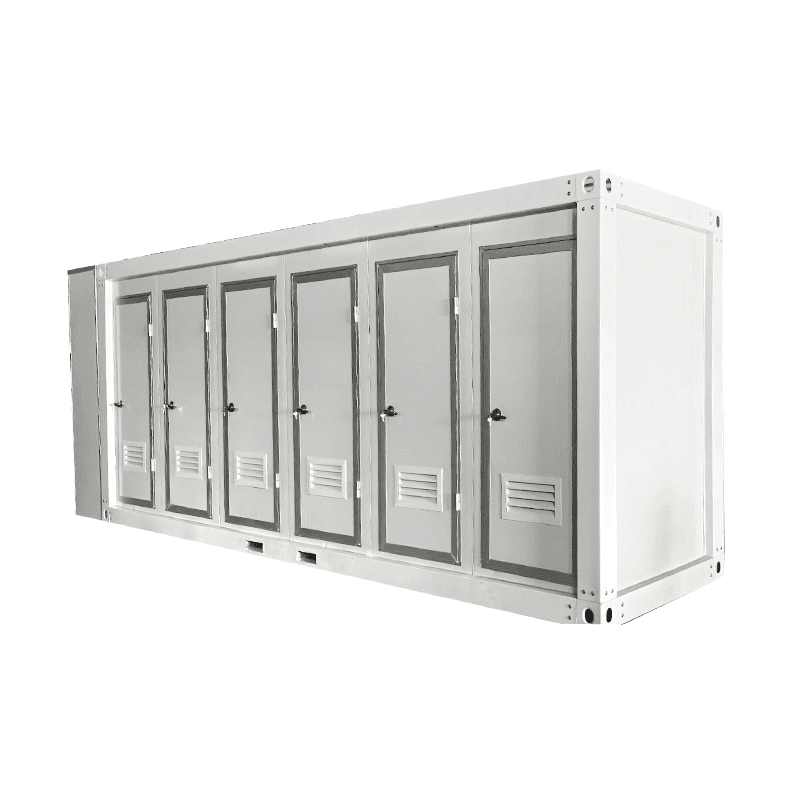
Mobile toilets are generally composed of fecal sewage storage tanks (or fecal sewage treatment devices), floor slabs, sanitary ware, walls, washing equipment, water tanks, roofs, and mobile devices. During assembly, the first step is to prepare in advance. According to the design requirements, prepare all the necessary materials, such as lightweight and durable wall materials, suitable floor slab materials, etc. At the same time, prepare the tools required for assembly, such as screwdrivers and wrenches. Clean and level the assembly site to ensure that it meets the placement and assembly requirements of the mobile toilet, such as having enough space for operation and a solid and level ground to support the weight of the toilet.
Next is the assembly of the main structure. First, install the floor slab to ensure it is level and stable, providing a foundation for the installation of other subsequent components. Then install the walls, assemble the wall materials according to the design drawings, and ensure that the connections between the walls are tight to guarantee the structural sturdiness. During installation, control the height and width of the toilet to meet the design standards. After that, install the roof, accurately place the roof materials on top of the walls, and properly seal them to prevent rainwater leakage.
Then comes the installation of internal equipment. Install sanitary ware, such as toilets and urinals, ensuring they are firmly installed and the corresponding pipes are properly connected so that sewage can smoothly flow into the fecal sewage storage tank or treatment device. Install washing equipment, such as washbasins and faucets, and connect the water inlet and drainage pipes. Install the water tank, fix it in the appropriate position according to the design requirements, and connect the water supply pipes to ensure that the water tank can normally supply water to the sanitary ware and washing equipment.
Finally, it is the installation and commissioning of the mobile device. Install mobile devices, such as wheels, at the bottom of the toilet, ensuring they are firmly installed and can move flexibly. After installation, commission the entire mobile toilet, check whether each component is installed correctly and functions properly, such as the flushing of sanitary ware and the water supply of washing equipment. If any problems are found, make timely adjustments and repairs.



