
Quay lại blog
Bài viết
Bolting of Prefabricated Wooden Houses
Quản trị 18 tháng 9, 2026
The bolting of prefabricated wooden houses must adhere to the following key regulations and operational points:
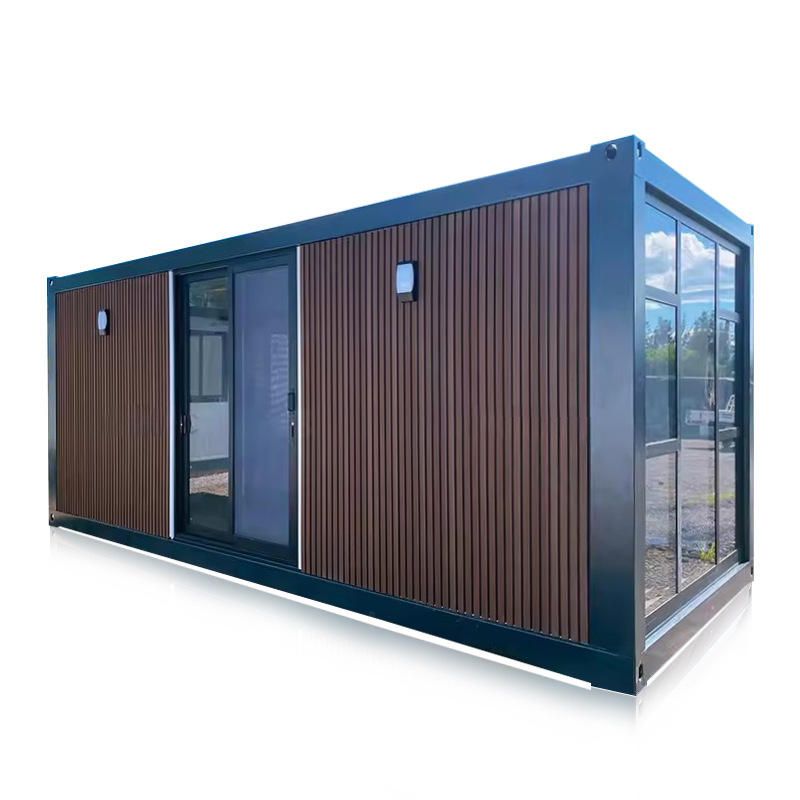
1. Component Connection and Joint Treatment
The joints between wooden structural components must be tightly fitted, with local gaps not exceeding 5mm. Joint treatment must be carried out strictly in accordance with design requirements. This requirement aims to ensure the overall stability of the structure and prevent a decrease in connection strength or subsequent deformation due to excessively large gaps.
2. Drilling Operation Specifications
- Wooden Splint Connection: After positioning and temporarily fixing each part, drill through all components in one go to ensure hole alignment.
- Steel Splint Connection: If drilling through in one attempt is not possible, measures (such as template positioning) must be taken to ensure that the positions and sizes of corresponding holes in each part are consistent.
- Crack Prevention Key Points: Positioning and pre-drilling are core steps. Accurately mark the center point of the drilling hole and use a drill bit slightly smaller than the diameter of the bolt rod for pre-drilling to prevent wood cracking due to stress concentration.
3. Bolt Washer Requirements
- Thickness Standard: Unless otherwise specified in the design documents, the thickness of the washer must not be less than 0.3 times the diameter of the bolt to distribute the bolt pressure and prevent local crushing.
- Size Standard: The side length of a square washer or the diameter of a circular washer must not be less than 3 times the diameter of the bolt (the specification clearly states 3 times, not 3.5 times) to ensure sufficient bearing area.
- Exposed Length: After tightening the nut, the exposed length of the bolt rod should not be less than 0.5 times the diameter of the bolt to reserve space for subsequent maintenance or secondary tightening.
4. Bolt Specification Selection
- Diameter and Length: These must be determined based on the thickness of the connected wooden member and the stress conditions. For example, for a 5cm-thick wooden member, it is recommended to use M8 or M10 bolts. The length should cover the total thickness of the wooden member, the thickness of the nut and washer, and provide an additional tightening allowance of 2-3 thread pitches.
- Adaptability: A bolt diameter that is too small may result in insufficient connection strength, while a diameter that is too large may damage the wood fibers. Verification through calculation or empirical formulas is required.
5. Assembly and Tightening Operations
- Assembly Sequence: Install the bolt, washer, and nut in sequence to avoid omissions or misalignments.
- Tightening Method: Adopt a symmetrical, step-by-step tightening approach to ensure uniform contact between the connection surfaces and prevent local stress concentration that could lead to wood deformation or bolt breakage.
6. Inspection and Handling
- Firmness Inspection: After tightening, confirm that the connection is free from wobbling and that the surfaces of the two wooden members are flush to avoid affecting the structural appearance or function due to installation deviations.
- Problem Handling: If bolt heads protrude, washers shift, or connections loosen, immediate rework and adjustment are required to ensure compliance with design and safety requirements.



