
Prefabricated Structure Houses
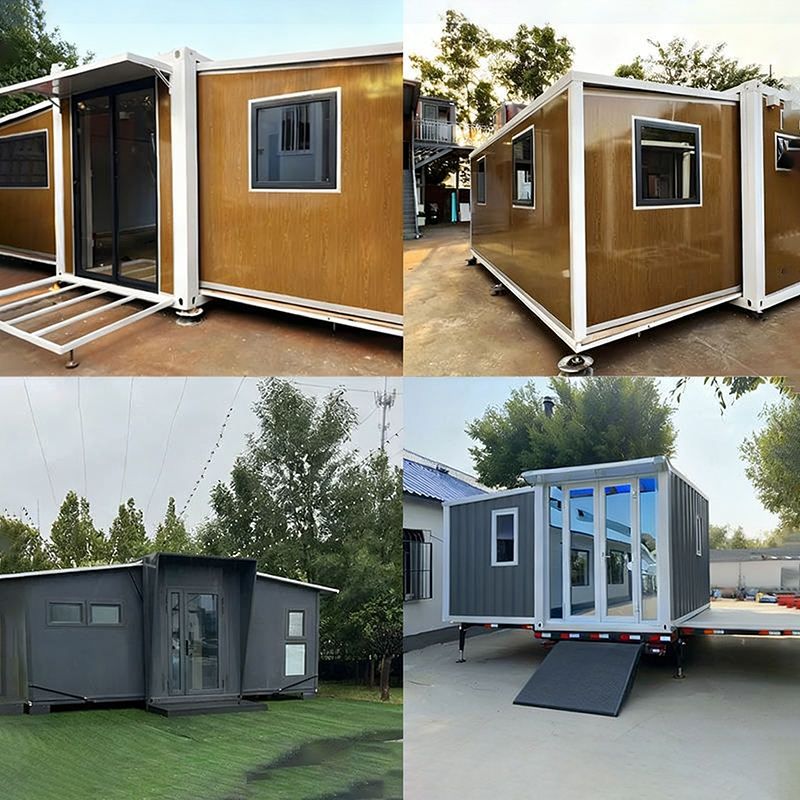
Prefabricated structure houses are a form of architecture where building components are industrially produced and assembled on-site. They are also known as prefabricated assembled buildings or modular buildings.
Main Types and Technologies
Prefabricated structure houses are mainly divided into three categories: panel-assembled, box-assembled, and frame-assembled. The technological systems encompass prefabricated concrete structures and steel structures, with components including prefabricated products such as beams, slabs, walls, and columns. Among them, modular buildings represent a higher level of integration, where buildings are disassembled into independent modules, manufactured in factories, and then transported to the site for assembly.
Core Advantages
- Efficiency Improvement: Construction periods are significantly shortened. For example, the completion and delivery time of a certain affordable housing project was reduced from 2.5-3 years to 1 year, and on-site labor was reduced by approximately 50%.
- Environmental Benefits: Reduces noise, dust, construction waste, and traffic congestion at construction sites, meeting energy-saving and environmental protection requirements.
- Quality Control: Industrial production ensures the precision of components, facilitating later maintenance and renovation.
- Space Optimization: Panel-assembled buildings can expand usable area, but design flexibility is limited; box-assembled buildings, through the combination of prefabricated functional units, increase construction speed by 50%-70%, but have higher requirements for transportation and lifting equipment.
Technological Development and Applications
China's prefabricated concrete technology began in the 1950s and was initially used for factory and residential construction. In the 21st century, it has seen a resurgence due to production efficiency and environmental advantages. Companies like Vanke Group have developed prefabricated shear wall residential structural systems and applied prefabricated frame technology. Since the implementation of the old housing renovation policy in 2022, prefabricated panel houses have been primarily repaired and renovated, with only those meeting hazardous building standards being demolished. Existing prefabricated panel houses generally suffer from weak earthquake resistance, poor sound and thermal insulation, and a service life of approximately 30-50 years.
Forms and Market
Prefabricated structure houses mainly come in three forms: steel, concrete, and wooden. Chinese companies have comparative advantages in the steel and concrete sectors: steel structures are lightweight and suitable for ocean transportation and high-rise buildings; concrete structures are closer to traditional living experiences and have high acceptance in the domestic market. In recent years, Chinese-made prefabricated houses have been selling well overseas. In the first four months of 2026, enterprises in the Guangzhou Customs area exported movable houses worth 1.4 billion yuan, a year-on-year increase of 38.1%; exports through Shenzhen ports reached 1.68 billion yuan, a year-on-year increase of 19.6%.



