
Foundation Reinforcement for Prefabricated Slab Houses
Foundation reinforcement for prefabricated slab houses can enhance load-bearing and seismic resistance capabilities through various methods, including enlarging the foundation size, deepening the foundation, adding steel reinforcement mesh, and using reinforcement materials.
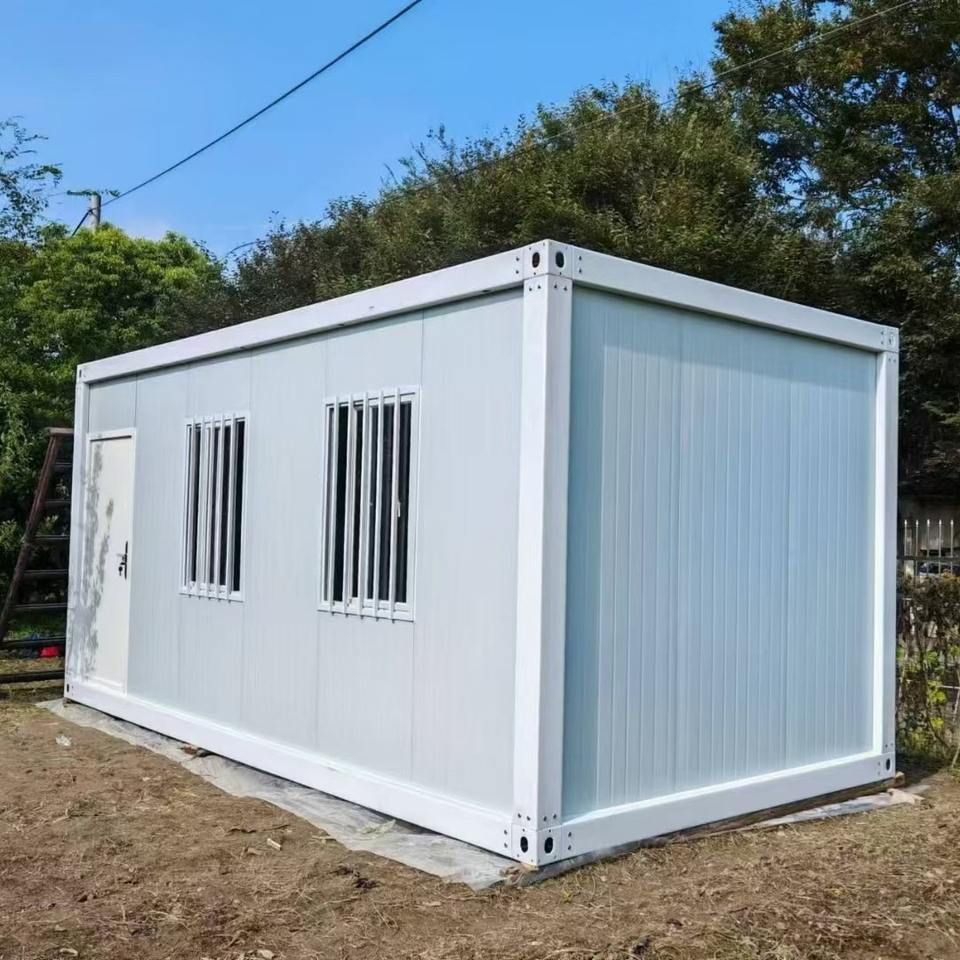
1. Enlarging the Foundation Size
By expanding the foundation base area, the load transferred from the superstructure can be effectively dispersed, reducing the base pressure and preventing local settlement. The specific expansion range should be determined based on geological conditions, typically extending a certain width outward from the original foundation edge while ensuring a tight connection between the new and old foundations. This method is suitable for cases where the foundation bearing capacity is insufficient but the soil layer is uniform. During construction, attention should be paid to the treatment of the interface between the new and old concrete to avoid weak layers.
2. Deepening the Foundation
If the surface soil is soft, the foundation can be buried deeper into a more stable soil layer (such as the bearing layer) to utilize the higher bearing capacity of the deep soil and enhance overall stability. Deepening should be combined with geological survey data to avoid reaching the groundwater level or soft underlying layers. For prefabricated slab houses, deepening may involve wall modifications, requiring simultaneous assessment of the safety of the superstructure. If necessary, ground beams or structural columns should be added to enhance integrity.
3. Adding Steel Reinforcement Mesh
Adding a steel reinforcement mesh (e.g., Φ6-Φ8 steel bars with a spacing of 150-200mm) to the foundation surface can improve crack and shear resistance through the synergistic effect of steel and concrete. The reinforcement mesh should be reliably connected to the original foundation, which can be achieved using planted rebars or chemical anchors, and then covered with a fine aggregate concrete layer (thickness ≥ 50mm). This method is suitable for scenarios where the foundation surface is damaged or lacks shear resistance, significantly enhancing foundation durability.
4. Using Reinforcement Materials
- Reinforcement Agents: Inject high-strength epoxy resin or polymer cement-based reinforcement agents to fill internal pores in the foundation, enhancing density and compressive strength. This is suitable for repairing defects such as concrete carbonation and looseness. During construction, the injection pressure and range should be controlled to avoid affecting surrounding structures.
- Foundation Sealing Materials: Apply waterproof coatings or lay waterproof membranes on the foundation surface to prevent groundwater erosion, which can lead to steel bar corrosion or concrete deterioration. The sealing layer should extend a certain height above the ground and coordinate with the drainage system to prevent water accumulation and penetration.
Implementation Points
Before reinforcement, detailed geological surveys and structural inspections should be conducted to identify the causes of damage (such as uneven settlement or crack propagation) and select targeted reinforcement plans. During construction, strict quality control should be implemented, such as monitoring the welding quality of the steel reinforcement mesh and the compactness of concrete pouring, to ensure that the reinforcement effect meets design requirements. After reinforcement, regular inspections of the foundation condition should be carried out to evaluate the long-term effectiveness of the reinforcement measures.



